Friday 15th July, 2016
Hi
Want to get a little fruity but not sure of the first moves???
...well its not so difficult... lets start with new seasons
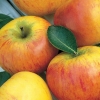
apple or
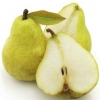
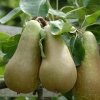
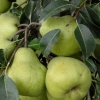
pear. You may have heard us talking about bare rooted trees, well this is how our new season plants come to the nursery. If you have been reading the recent newsletters you will know that we have to bag them ready for sale so a new seasons fruit tree will be loose in its bag because of this. The trees have their roots pruned to enable them to fit into the polythene bag so when you go to plant your tree, all the soil may fall away and you could be left holding a stick... well so to speak.
Compare this to an existing or previous seasons tree which will have wrapped the roots around the inside of the bag and will hold all the soil together.
There is nothing wrong with either state of the plant. With one that is loose in the bag you just need to be careful at planting time. It is always best practice to cut the bag on either side of the tree while being careful to cut only the bag. If it has started to make those really delicate white new feeder growths then you don't want these to dry out or break off.
If the plant has roots wrapping around inside the bag then you need to cut or break the root ball. Now some break this apart too vigorously.. you just want to either slice a couple of sides so that new roots initiate from these cuts or gently break the root ball from the bottom. Don't over do it as you may remove too much and stress the plant.
The planting hole.
Dig the hole bigger than the container that the tree is in and break up the soil. Generally I don't advocate too much compost into the planting hole as in the winter it can hold too much moisture which will rot the new feeder roots. However if your compost is so rotted that its like soil or you have very sandy soil then good quality compost may be beneficial... If you do use some compost then mix it well through the soil in the hole. The addition of some slow release tree bricks or other slow release fert will ensure that your new plant has sustained feeding to get off to a really good start but remember to have a dirt layer between the tree and the fert.
Plant the tree to the same depth that it was in the bag and no deeper. If its a new season specimen and the soil has all fallen away then plant to where the discolouration on the stem shows that it was planted before or emulate how it was in the bag.
If you want to get the best from your fruit trees then create a humus layer around the tree. Instead of mowing lawn, I suggest that you create a circle around the tree that is relative to the size of the plant and use this space to add mulch compost or other organic matter. It will mean that you won't scar the tree every time that you zip past with the ride on mower or ring bark the poor tree with the weed eater. If you use a coarse mulch then this will suppress the weeds BUT NEVER AGAINST THE TRUNK OF THE TREE. The purpose of this space is tenfold and I'm not a soil scientist but organic matter will improve soil structure, attract microorganisms provide a space to add specific fertilisers to complete the balance and help conserve moisture in the dry months. you can keep topping up this area as it breaks down to keep improving the soil.
After planting
You need to prune the new tree.. remember that your new plant is young and will take approximately three to four years to form a classic vase shaped tree. A new apple or pear will be sold usually as a rod or as a a lightly branched rod depending on how much growth it has managed or what variety it is. Sometime they may some broken stems or bits that occurred when machinery has lifted them or when they get bundled for sale and these just need to be tidied to a clean cut.
If the tree is a short rod then you may just need to take the tip off. If its a really tall then you may need to take 1/3rd off but what you need to know is that where you cut, is where it will generate new growth from. So armed with this knowledge you will need to let the tree create a trunk and then start to branch. A branched tree for example may need to have the lower branch removed to create the trunk and then the remaining branches tipped including the top.
Its really in its second and third year that you really get to choose the path that the framework of your tree will take. Next week we can look at how to choose which path you want your framework to take and how to go about achieving it.
To stake or not to stake.
My take on this is that it depends on the size of the tree and where you plant it and generally I prefer not to stake so that the tree grows strong and independent and not reliant on the stake. Most well grown plants are quite sturdy and when properly planted will hold themselves upright without the need of a stake. The exceptions are large plants with a small root base and of course those windy positions where the tree does need some help. If you need to stake, then do it well and plan to remove them in approx 12 to 18 months once the tree has well rooted into the soil.
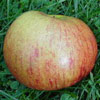
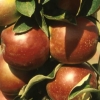
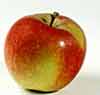
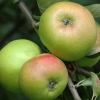
Some of the apples you may not know that are well worth a place in the garden...
Atuento (M793) has the most deliciously red skin found on an apple and has firm, sweet, juicy flesh that has been described as having an 'authentic apple taste'. This is a self fertile apple, the fruit ripens in summer and stores exceptionally well if kept in the fridge. Grows in a pyramidal form on a rootstock that improves the tree's disease resistance and ability to tolerate clay soil.
Liberty is a heritage apple with gorgeous crisp juicy flesh, skin blushed with red. This all purpose apple is considered to be a good cropper.
Blush babe is a self fertile dwarf standard apple. It is red skinned and sweet fleshed excellent for a small garden and suitable for container growing.
Ballerina Waltz is Green with a red blush over it's skin, while it's flesh is crisp and has a nice tang to it. This apple has a columnar habit making it suitable for a tight spot
Divine is a crisp, crunchy, juicy apple with a firm texture. Green skinned stippled with red. These are produced from disease resistant plants that are a great choice as an organic option. These are on dwarfing rootstock.
Worcester Pearmain is a lovely heritage apple dating back to 1876. Skin is bright red, medium sized fruit, crisp and juicy with an intense strawberry flavour. Very sweet and loved by children. Produces well early in the season towards the end of summer.
As with all fruits a mate or two in the garden will help increase your fruit crop so checkout the
pollination chart to see what other variety of apple tree will compliment yours and ensure you get a good crop.
You can't go past a good feed of tatties to warm you on these cold winter days. If you want to grow your own winter warmers then
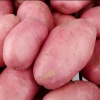
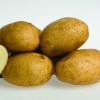
Spuds are abundant at the nursery right now. You should be able to find what you need here as Ang has outdone herself and brought in an excellent varied selection of tubers for the coming season. Another wonderful tuber to grow is the
yam. We are still waiting on the gold yams to arrive but the reds are in stock now. Don't do what Harry did and pull them out too early though, they develop as the plant dies back so leave them in till it does.
Logging in....
Here's hoping you had a go at logging in last week after reading this article from the last newsletter, I'm putting it in again as a reminder for those of you who didn't get the chance.
Many of you who are familiar with our website will know that a history of your plant purchases is kept on file for you to view, but to do this you have to login on the website. If you make a purchase online without logging in then our system will make a new you in our records. This means that your history gets split across multiple records and you will have trouble viewing all your history in one place. If you find this has happened to your information you can email enquiries@wairere.co.nz and let us know that you think you may be in our system more than once. We can then merge your files so they are all together for you in one place. You can see your purchase history in My account, then click Items Purchased A-Z. If you aren't sure about your password to login with just type your email address into the login field and press enter, we will then send a new password to that email. Of course this will only work with the email address we have on record for you, if you are not sure what email we have for you then you can let us know using the email address above. Once logged in you can update any details needed in your account page.
The key to easy online shopping with us is to login first. This will save you repeatedly having to enter your details as they will be there automatically once you have logged in.
Rose society event ....
This are the last 2 demonstrations being held here by The Rose Society for the year so come all, everyone is welcome. The previous events have been well attended and enjoyed by all. If you haven't registered your interest please don't let that stop you coming. This is a great opportunity to find out the answers to any questions you might have on how to care for your roses.
You can register your interest by emailing lloyd@wairere.co.nz so that we have some idea of how many could be coming. Alternatively you can click the relevant date above and indicate that you are coming by clicking the '
Interested' button. As always the sessions will be on whether its frost, rain hail or sunshine
'So much to do and so little time to do it' is my mantra this week. We are getting ready to make room for spring flush plants and finishing of potting the last of the bare rooted plant orders, lots of Daphne are expected to arrive next week and a good load of citrus so Busy Busy Busy!
Have a great weekend!
Lloyd, Harry and the Wairere Team
Make it a Wairere weekend where even
GNOMES know that gardening's not a drag.