Thursday 4th August, 2016
Hi
OMG Oh My Goodness .....
I still haven't sorted out what they could be eating here in and around my nursery as there aren't a lot of flowers or leaves out just yet but Simone did spot it later in the day sitting in the Idesia tree looking like it was devouring the berries there. I do hope the Idesia berries are ok for it to eat as I'm more than happy to have these big heavy gorgeous birds cruising around the nursery.
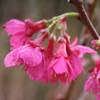
On the subject of native birds it was a few years back we spied our first Tuis eating the over ripe persimmons that we didn't quite get to eating ourselves. Once the Tuis had finished there, the next time the Tuis were around was in the early spring when a pair of these neat birds were rocking and rolling around in our campanulata cherry tree... one called
Felix Jury.. Felix Jury is the one of the very first flowering cherries with its bell shaped cerise flowers and followed very closely by another
Campanulata called
Superba.. there are a few other cherries that attract the tuis as well... check out Prunus
puddum and
Okame and
Mimosa...




Even though there are not so many flowers out just yet, I see that my most favourite of trees the Magnolias are just starting to flower. Well I think that
Vulcan has been in flower for a while now but
Denudata Alba is just showing white through those fat furry buds.
The
Transnokoensis hedge down the back is in full flower, looking amazing and very fragrant. The beauty of this hedge is that its helping the bees out with some winter food at this time of the year. While on the topic of Camellias the ones with the larger flowers and prominent stamens also attract the Tuis and often provide a food source for them when others are scarce. The reticulata camellias are a wonderful example of the large flowering camellias.
Whats happening on the
rose front?
Well hopefully you managed to find some dry days and sprayed them all with
Copper Oxychloride and
Conqueror Oil and more than once. The conqueror oil will help clean up scale and overwintering eggs and the copper should deal with any fungal spores. Moving right along, its probably time now that you manage to get in and prune them. First up we need a fine day as moisture spreads those fungal spores and pruning cuts provide entry sites for infection and silver leaf is a common affliction of the rose family. (Its pretty hard to tell if a rose has silver leaf in the Winter time but when its in leaf this fungal infection shows as a silvery colour on the leaves)
Pruning roses is all about removal of the wood that has flowered back to nice young thick and energetic wood that will flower well... and also replacing old and exhausted branches with something young and fresh... sometime reminds me of some people that I know LOL
The same rules apply here as pruning fruit trees
Removal of all the dead and diseased stuff
Removal of cross overs (if there are enough branches to allow this to happen)
Removal of the spent flowering branches back to big fat buds so that you get loads of flowers
Prune to create an open shape looking to outward facing buds or ones that will fill a space. If you look down on your pruned rose it should look like looking at your shower nozzle with water streaming out... well kinda
Austin roses and some of the other oldies will be more shrubby in form
Once only flowering roses should have been pruned back in the summer after flowering
The harder you cut them back the less flowers that spring will yield. Stands to reason really... too hard means less buds that can grow into a flowering stem
Now if you are the type that dead heads then you may potentially have 3 flower flushes to remove to bring your bush back to the normal state it should be. I tend to remove the entire flower stem back to 3 or 4 buds from where it joins the framework after each flowering so in Winter I just have the one flush to remove.
You still have time, pruning just need to be done prior to leaf burst. A spray with Copper and Oil once the deed is done will be all good for the rose. We all know that good tools will do the best job so good sharp
secateurs will make quick work. A small
pruning saw is sometimes very handy for removing branches in awkward places or those that are too large for secateurs. We use the
ARS (
Always
Really
Sharp) brand which are top notch and cope with the work we throw at them really well. If you need to remind yourself what you are looking forward to when you do your pruning just check out the
Rose album on our
facebook page for some instant motivation.
Watch for the dreaded downy mildew
Downy is a sneaky disease and is almost symptom less and can be prevalent on new roses with new foliage and this constant cold wet weather is what spreads it and fast. Symptoms can be nothing visual but just the new leaves falling off the rose bush or if the leaves are present then a faint purple blotching may be noticed
Take the fallen leaves away as each time it rains the splashing effect reinfects the next set of leaves. It can be a cycle that can be hard to break especially with these constant showers of rain. Spray with super shield and do two or three sprays a couple of days apart, if we are luck enough to get those breaks in the weather.
Feeding time. Once the leaves are imminent its time to feed the roses. Spring is a time of major growth and so all in the garden will be looking for a feed. Rose fertiliser is blended for roses and a small handful of
instant propriety rose fertiliser will give your roses their much needed boost into spring. You could also use slow release fertiliser like
Burnetts rose fertiliser but use less than the instant fertiliser. Slow release fertilisers are suitable for planting with new plants as they don't burn the roots.
Remember roses are gross feeders and so will love you for well rotted compost, sheep pellets and all the other goodies that make up what I call a balanced diet for them.
Always something new in every week
Primulas always cheery at this time of year Buttercup, Cobalt Blue, Cream Valentine, and Nectarine. These true perennials are easy to grow but if you want to carry them over then they need to go into a cool spot for the summer. They will look amazing in pots on tables or just in the garden as a mass planting. Dead head them by removing the entire spent flower stalk and they should keep on flowering.
Chimonathus praecox or winter sweet. These have just raced out and so have got some more in. Grows to be a large shrub in the garden approx 2 metres . Flowers naked or without leaves with beautiful translucent yellow blooms that are so strongly scented.
Garrya elliptica James Roof or Silk Tassel Bush. This rare beauty has leathery rounded grey green leaves that are the perfect foil for the gorgeous long silver green catkins that hang in long trusses all over the bush throughout winter. It is hardy for both frost and coastal conditions.
Hydrangeas Seemani the climbing evergreen hydrangea. There are not so many evergreen hydrangeas let alone one that climbs and this one covers off both those points. This one suckers and attaches itself to walls with an attractive green leaf.
Boronia I think that everyone can smell the gorgeous scent of these except for me. A petite shrub that has little down ward bell like flowers in brown or lime green that pack a powerful punch of fragrance.
Chaenomele standards in red white and apricot. A tough hardy deciduous shrub which cloth themselves in clusters of buds that open into vibrantly coloured blooms. Great for floral work but gorgeous for colour in the garden at this grey time of year.
For those that grow their own food
Asparagus... its really quite easy to grow this delicacy; all you need is a dedicated bed as Asparagus is a perennial that comes up every year. Good deep rich soil with plenty of tucker should grow delicious spears year after year. Plant with the crown at the soil surface and the roots downwards... I know sounds easy but plenty suggest to me that they would have planted them the wrong way around. Plant in rows approx 50 cm apart and plant a few so that you get plenty of spears.
First year let the crowns go to flower but in the second year and third year you should be into harvesting.
Time to get early varieties in and before you know it the main crop. My neighbour advises me that the earlier the better for potato crops so that they mature before blight diseases become prevalent. Sprouting or Chitting them them will get spuds off to a good start... don't forget the potato food.
follow the link to check all these varieties out, ranging from early to main crops. there are some different ones there that I haven't grown purples ones,
Maori potatoes and even some with fancy names.
I hoping that we are going to get a fine break and get into the garden. Roses and fruit trees need to be pruned. Hedges to be clipped prior to spring and everything in the garden to be fed. I need to repair some steps and generally get everything ship shape so that it all looks great in the spring. Here's hoping that with our lengthening daylight hours that we also get a fine week or two so that we get that much needed time in the garden. Have a great weekend
PS we had a new lot of pots in that we have put out at half price. Unfortunately these are not online so if you are interested to look then call in at the nursery.
Lloyd, Harry and the Wairere Team
Make it a Wairere weekend where even
GNOMES know that gardening's not a drag.