Our weekly email news letter. Sign up here to get them delivered straight to your email in box. See below for previous issues...
Please note that product availability and prices may have changed from when this newsletter was sent. Please check this site or phone us for current availability and pricing.
Saturday 25th April, 2026
Hi
On our way to work each morning my husband and I travel the back roads between Cambridge and Gordonton. It passes the time to watch people working in their gardens and seeing what they are doing to improve their environment. A few months ago I commented about a hedge that someone had trimmed. "There's no way that's going to survive!" I predicted, as it had been cut back so hard we had no idea what the plant was - not a leaf in sight, on the roadside at least. Four months later, it has sprung back and a more bushy and healthy-looking camellia you would struggle to find. I consider myself corrected.
In fact it's amazing how resilient some plants (particularly camellias) are when it comes to trimming. Not everything, however, responds well to such a drastic haircut as our neighbour, who hacked back their pittosporum hedge, discovered. You have to choose your subject. What I generally recommend to people is to start young and regularly trim your hedge to encourage bushiness right from the early stages of its life. Trim just before an active period of growth (Spring and Autumn) so any whoopsies are covered up quickly. Most plants want to grow upwards and have evolved "apical dominance" to help make this happen. Consequently, if you remove the top bud (which controls the relative growth of all the lower buds by sending out a hormone) then every other bud will instantly be activated and strive to become the "top dog". When one branch does reach a higher level, it becomes the new control freak lording it over the lower buds.
Consistent pruning leads to more bushy, denser plants, if that is what you are looking for. At the nursery it is not always the tallest plant which we consider the best. If it has been regularly pruned then it will have more leaves lower down and therefore a better base for photosynthesis to generate sugar for growth - it's going to be a more compact, attractive plant in the long run. Alternatively, if you are trying to grow a standard you want to choose the tallest, least bushy specimen and leave it unpruned for as long as possible, creating one straight stem, then pinch out the top bud when it reaches the height you want. Then you wait! Standardising is a lesson in patience.
Large Grade Camellias
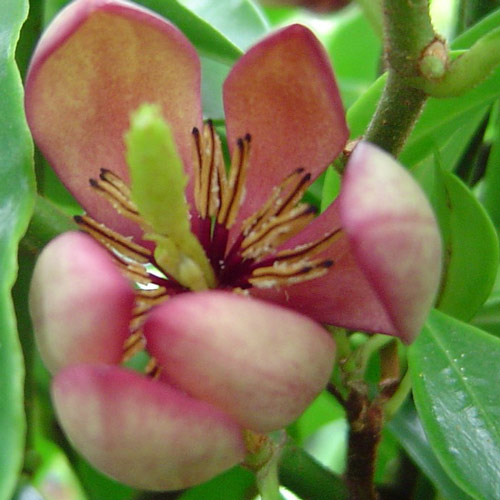
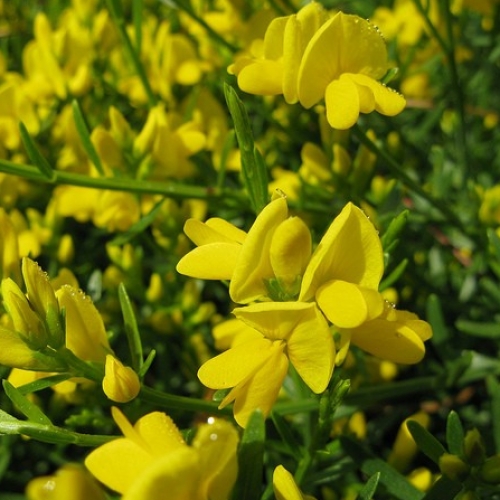
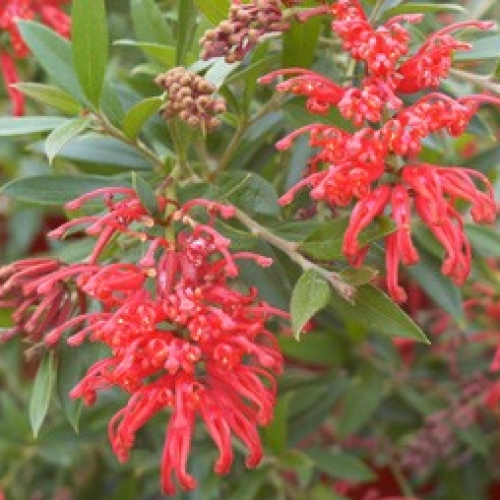
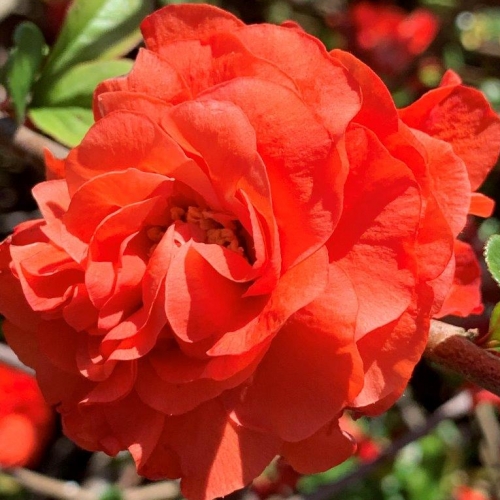
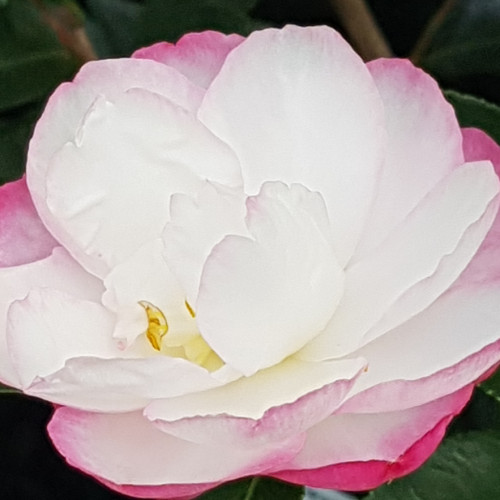
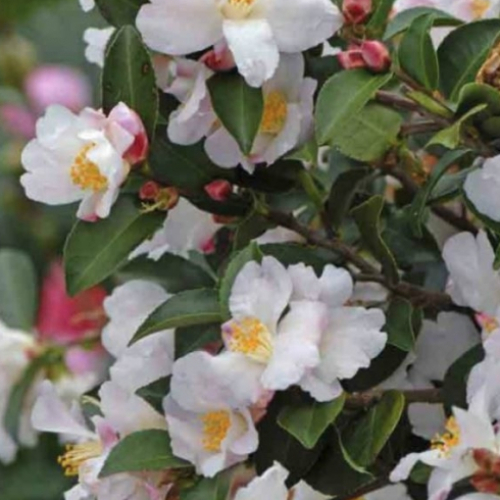
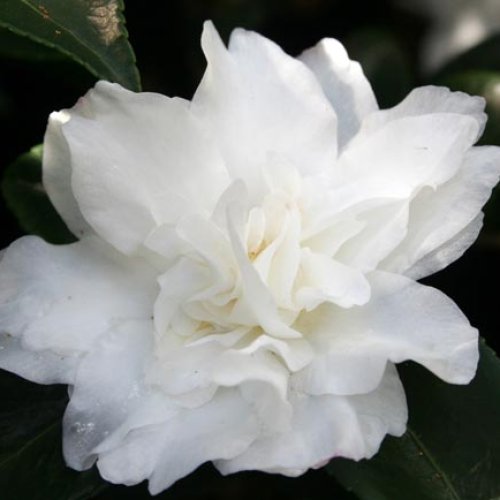
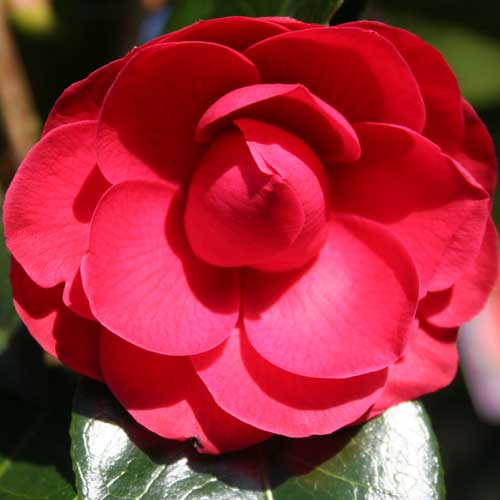
We have recently received some large grade Camellias. By "large grade" I mean in an 8l pot, as opposed to our normal 4l one. These plants are generally taller too, as they have been grown for longer, but the important fact is that they are denser as they have been pruned each year and will become a more quickly established hedge or stand-alone plant. Varieties available in this larger grade include Paradise Blush, Helen, Vanessa and Pearl, Small flowering Fairy Blush and Transnokoensis, Early Pearly, Hiryu, Setsugekka and Silver Column and Silver Dollar and many more. All these varieties make a great hedge and you can check them out on our website or in store. We try to have an accurate measurement of the height based on stock just arrived for you. If you are after quantities rather than one large grade we have a multibuy deal on all our $36.99 Camellias which means they work out cheaper when you buy 25 or 50.
Clifton Homestead Helleborus
Clifton Homestead is a special place in South Otago which is a nursery based at a historic homestead. The farm where it is based has been in the family for 150 years. The current owners, Ken, who is a descendent of the original homestead builder and Kate his wife, started growing plants as a way to make a few extra dollars in the 1980's farm crisis when massive hikes to interest rates (21%) caused farmers to look "outside the box" for opportunities. Kate had a connection to Helleborus through her mother who had developed Helleborus Niger White Magic at their Waipahi farm (South West from Dunedin). From some seed imported from the UK in the 80's Kate has continue to breed and develop new strains, especially doubles, which has led to her being awarded the Royal New Zealand Institute of Horticulture Plant Raisers’ award. We are delighted to offer some of her seedlings, which will take 2 or 3 years to flower, but should reward you with some special flowers.
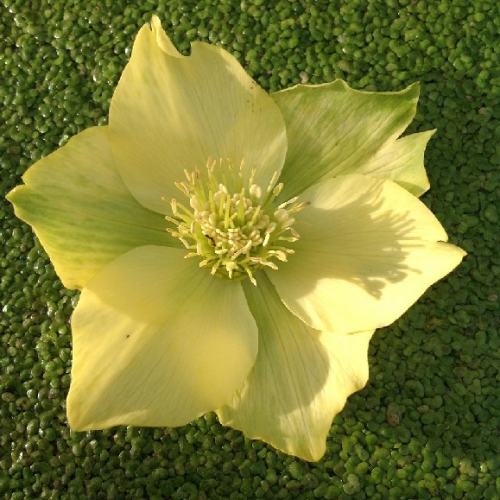
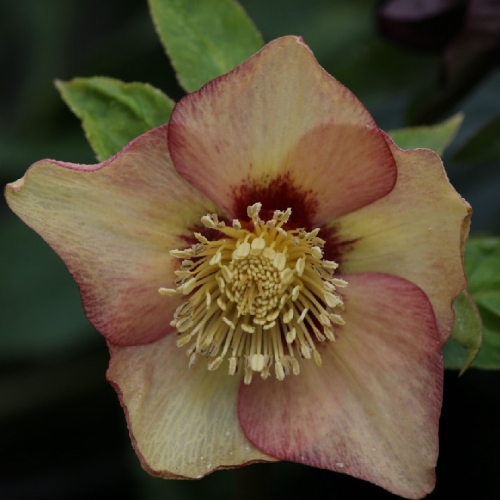
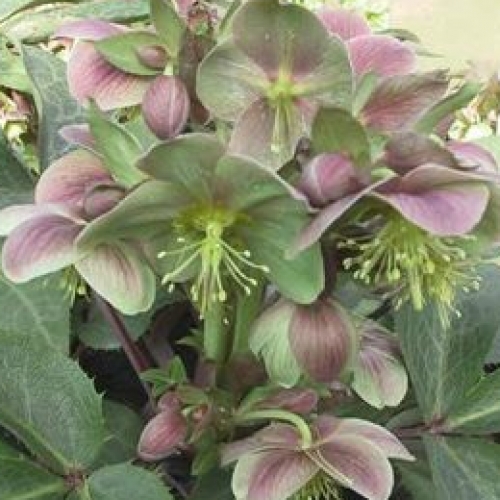
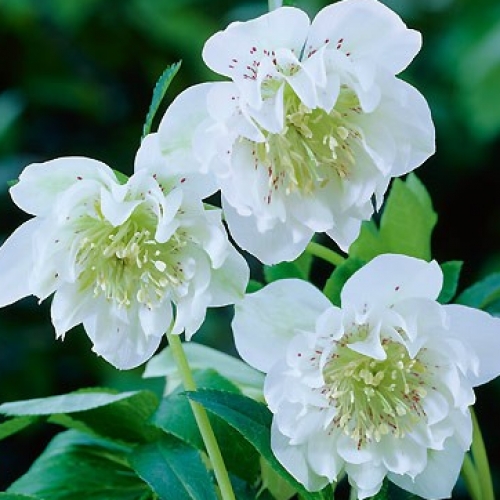
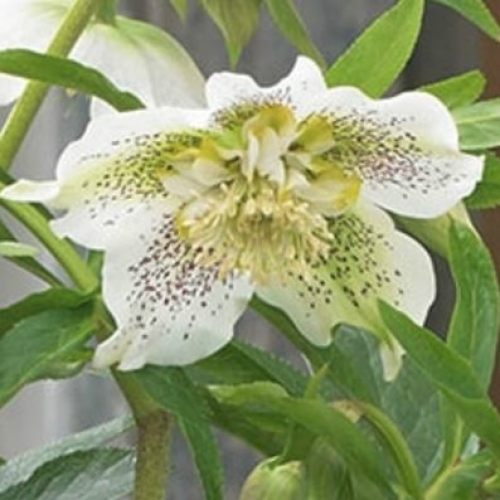
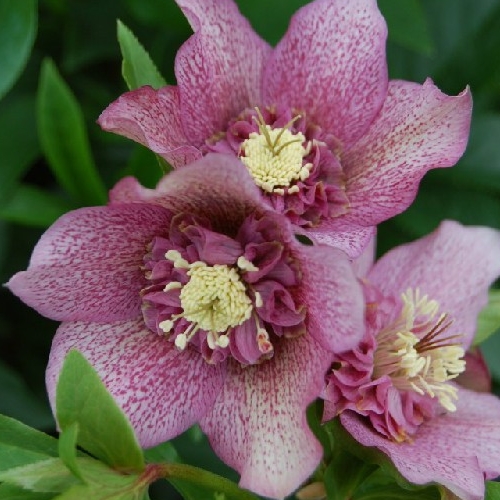
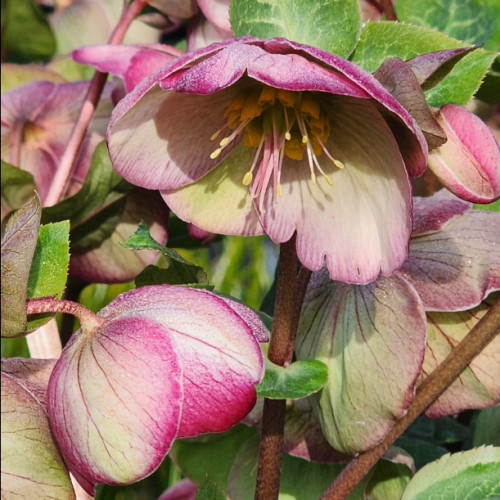
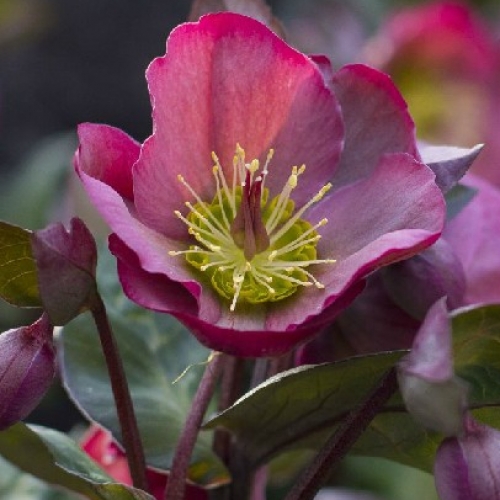
If you're after more instant affect, we have just received the first of our delightful range of double Helleborus which will be flowering from around May/June. Also known as Winter roses, these can tolerate sun or shade but prefer some protection from the very hottest part of the garden. The array of varieties available now is huge and many have interesting speckled leaves as well as a range of sepal colours including pure white, cream, pink, purple, red and yellow.
New at the nursery
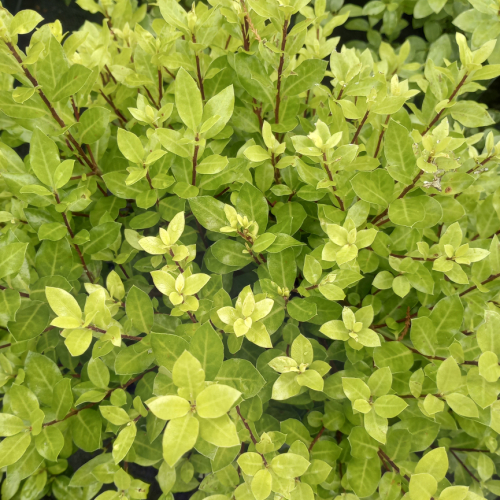
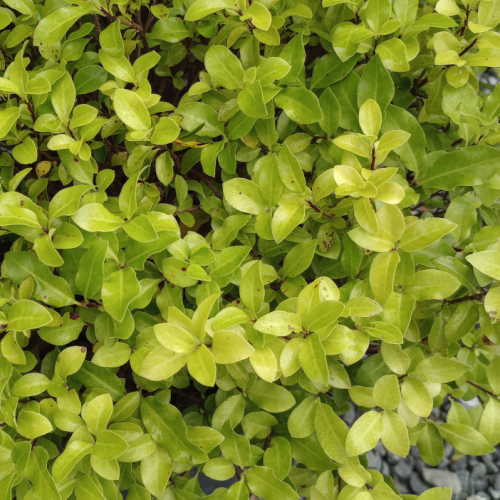
Pittosporum Golf Ball is one of a new breed of Pittosporum which are compact and grow in the shape of a rounded shrub. They come in a range of shades of green with dark or pale stems in colours including green, gold and silver. This is just one of the many dwarf varieties now available which are perfect as a contrast to strappy or upright growing natives or other landscaping plants. You can even use them as a feature in a tall narrow pot where the contrast in form looks spot on.
Some of the varieties available now include Little Burger, Little Kiwi, Sumo and Fankie's Folly. This last one is sometimes found elsewhere under the name "Frankie's Folly", but we're pretty sure there shouldn't be an "r". Another smaller pittosporum, which is super hardy and easy to grow, is Pot Belly. This is squat and rounded (like the mid section of some people I could name - but I won't). This is a great plant for the coast or other extreme conditions as the leathery leaves give it protection from wind and heat extremes. It makes a great low hedge and can also be trimmed into a topiary shape.


We have got some weird and wonderful new plants just arrived - some which are new to us and others which are rare and unusual.
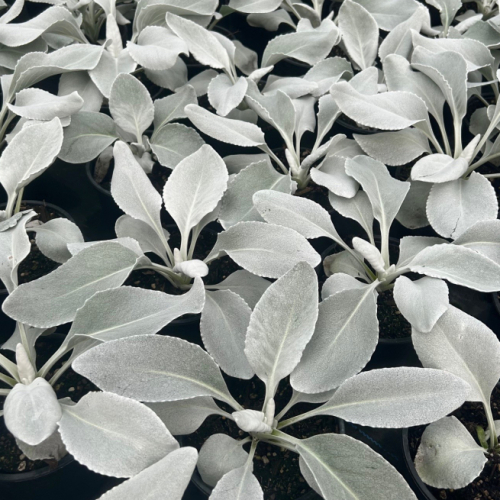
Senecio Angel Wings is a stunning perennial which has soft velvety leaves in striking silver. It is native to Argentina and can cope well with dry conditions, so make sure you water sparingly and keep it out of severe frost.
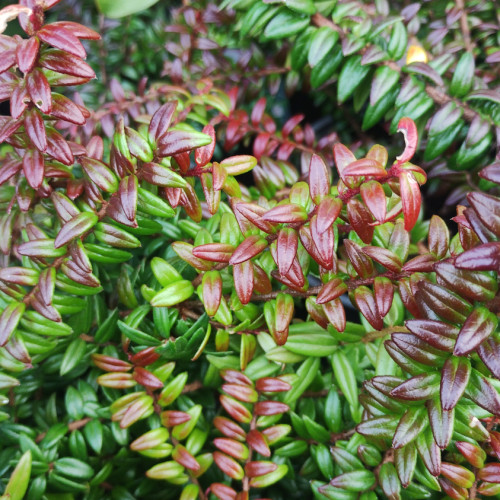
Pentapterygium Serpens: this guy is a contrast to the previous one in colour, leaf shape and tolerances. It is called a Himalayan lantern and is more cold tolerant and in need of moist, acidic soil. It has beautiful arching branches of fine green leaves which are tinged with red and hanging red tubular flowers.
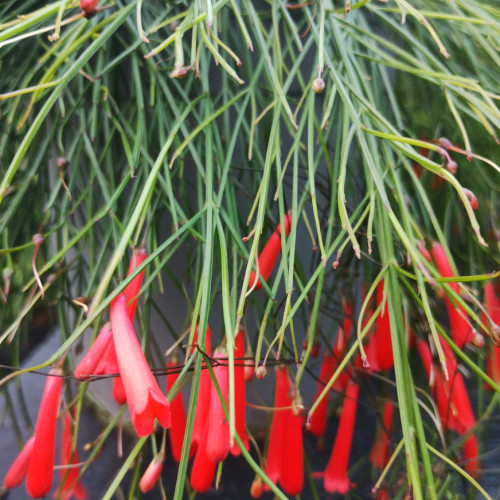
Russelina Juncea continues our world trip, being native to central American (Mexico and Guatemala). Its common name of firecracker fern is pretty apt as it features bright firecracker red flowers on fine ferny green foliage. Lovely in a hanging basket or pot as it will cascade over the sides.
Acacia Limelight will be more familiar to many people, but if you don't know it, you should! It's a fantastic weeping plant - looks nothing like most acacia that you know - and is easy to grow as a garden specimen or in a pot or planter. The thing that strikes you is the delicate weeping foliage which is a soft lime green. This very special plant is usually difficult to get, so make the most of the opportunity while you can. We have it in 3 sizes to suit most situations.

STOP PRESS
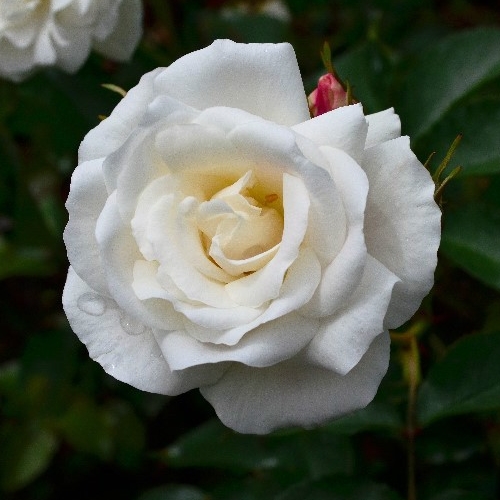
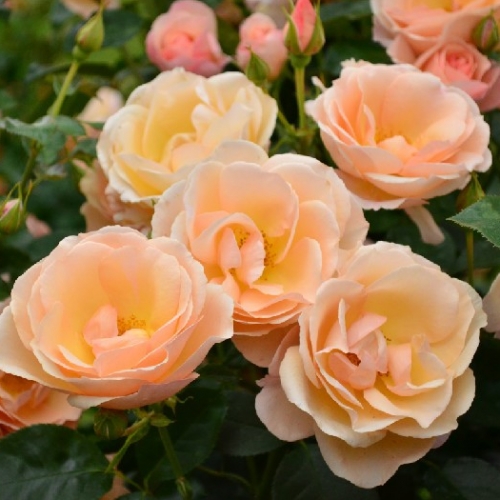
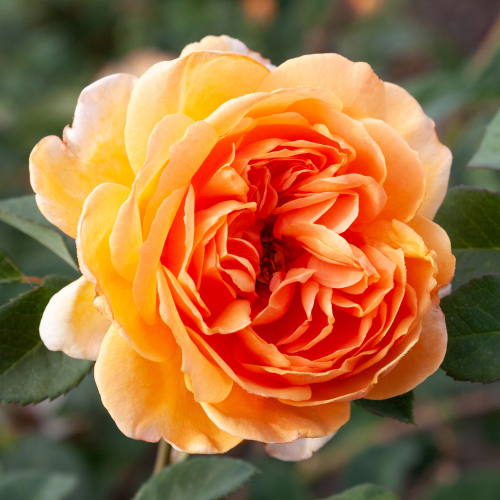
If you have been waiting for the roses to go onto their clearance special ...WAIT NO LONGER. Out they go at $25 for bush, climbing, David Austin (were $45.99), $40 for 45cm standards and $50 for 80 cm standards. Still hundreds in stock - first in get the bargains.
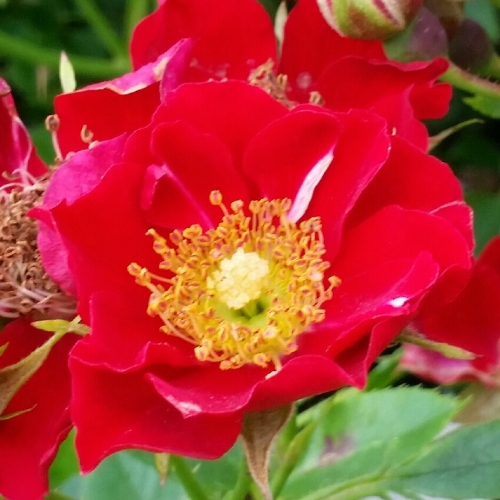
Time to Remember
This weekend we commemorate Anzac Day, a special moment to remember those who gave the ultimate sacrifice for our country and freedom during WWI. It's also a time to honour those who fought in any conflict overseas and for some it lets us reflect on what family and friends mean, and the importance of them to our lives. For those friends and family gone before, rest in peace.
The nursery will be open in the afternoon on Sat the 25th from 1-5pm and normal hours on Sunday and the Monday observation of Anzac Day.
I hope the weekend will be fine and you can enjoy watching the sun come up at the dawn service, if that is your plan. Regards Tracy
Cheers from Lloyd, Tony and the Wairere team.
Archived by year 2022 | 2021 | 2020 | 2019 | 2018 | 2017 | 2016 | 2015 | 2014 | 2013 | 2012 | 2011 | 2010 |
2019 Newsletters...
HL Nurseries Limited t/a Wairere Nursery
826 Gordonton Road, R D 1, Hamilton 3281 Ph: (07) 824 3430 Email: