BACK
Grow Maples
General Information
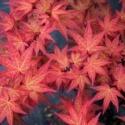 Maples are deciduous trees in the genus Acer, mostly grown for their beautiful, often delicate foliage. The distinctive, lobed/dissected leaves can be brightly coloured when they first appear in the spring and in Autumn, depending on the variety, the leaf colour changes create magnificent displays of bright green, golden yellow, pink, orange, red, crimson, or even a rich burgundy. Most varieties we stock originated from Japan, where they are revered; we also have some beautiful North American Maples which tend to be bigger trees and to have larger, less dissected leaves. Maples range in size from small trees suitable for pots and courtyards, to forest giants that reach 15m in height. In form they can be upright or weeping and can readily be pruned to suit your situation. Overall, maples are unequalled for beauty, grace and leaf colour and deserve a special place in any planting scheme.
Situation - Maples perform best in a temperate, sheltered spot with protection from harsh winds and hot afternoon sun. Smaller-growing maples can be grown quite successfully in large pots for several years and require regular watering and feeding.
Soil and water - They prefer moist, well-drained, slightly acidic soil which is rich in organic material. They do not like water-logged soil in the winter, or very dry soil in the summer. Consistent moisture levels are your friend here! These trees have shallow, fibrous roots that benefit from the regular application of mulch, particularly in drier situations.
Feeding - Acers, particularly Japanese maples, benefit from slow-release, low-nitrogen fertilizers, or organic options such as well-rotted compost. The best time to apply is at the start of the growth season in spring. It is important to avoid high-nitrogen fertilizers (such as blood and bone) as these can cause weak, "twiggy" growth and damage the tree. If your maple is in a pot, then slow-release fertiliser is preferable to compost.
Pruning - Prune maples when they are dormant i.e. in late winter when they are without leaves.
Problem solving
Wind damage - the most common problem with maples is foliage damage from the wind.
Solution - you may need to provide your tree with more shelter; plants make a better windbreak than solid walls or fences because they filter the wind, whereas a solid barrier can cause gusts of wind to be stronger and more damaging. Alternatively, you can move your maple to a more sheltered spot.
Insect damage - insect pests most common on maples in NZ are aphids, leafhoppers, scale and caterpillars.
Solution – pest management, there are insecticide sprays readily available that can deal with these pests.
Fungal infections - fungal leaf spots, is a cosmetic problem rather than life-threatening, leaf spotting can result from fungus or when plants are watered from above and the sun burns on the water droplets. Environmental stress, such as over-watering or under-watering which may cause swollen or starved roots (see earlier remarks regarding needing free-draining soil). Sun damage when plants do not have adequate sheltered.
Solution – water plants at ground level in the early morning or use a soaker hose. Using clean tools, remove and destroy fallen leaves and debris from around the base of the plants, as these may house fungi spores. Ensure your tree has adequate shelter and air flow.
BACK
HL Nurseries Limited t/a Wairere Nursery
826 Gordonton Road, R D 1, Hamilton 3281 Ph: (07) 824 3430 Email: