Saturday 18th July, 2026
Hi
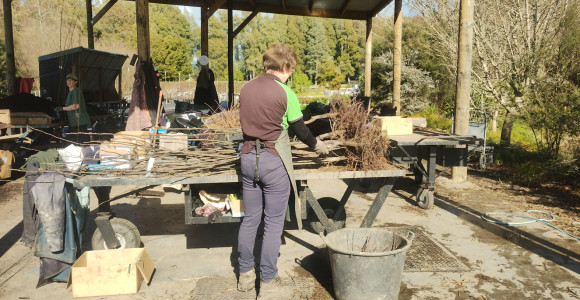
I came across a new word this week (unrelated to Wordle - though who has even heard of pshaw?!) when looking for a term to describe the lovely feeling of winter sun on your back. That sweet feeling of winter is "apricity", which is what I have frequently been feeling when standing in the potting shed with multiple layers on, feeling the sun break through to bring us a little winter joy amongst the cold, dirt and hard work. Delightful.
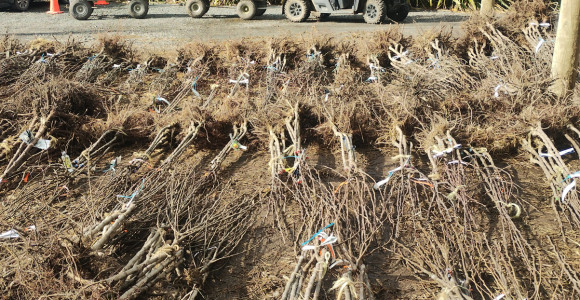
Potting-up continues
Winter flowering shrubs
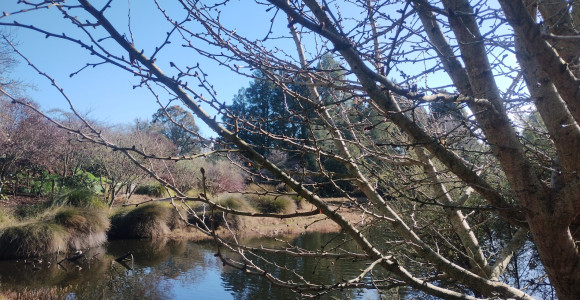
The winter garden can bring you little snippets of joy, especially when you look carefully. I said to my potting mate that I actually love the look of the bare branches of the
Ginkgo Autumn Gold down by the lake; even though it has no leaves, the silhouette is a pleasing shape and the oddly regular bumps of the leaf buds give it a textured look against the winter sky.
Ginkgo showing off its winter silhouette near our potting shed
Another favourite is the
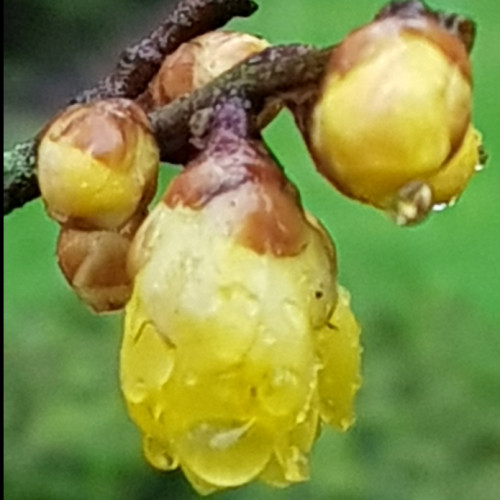
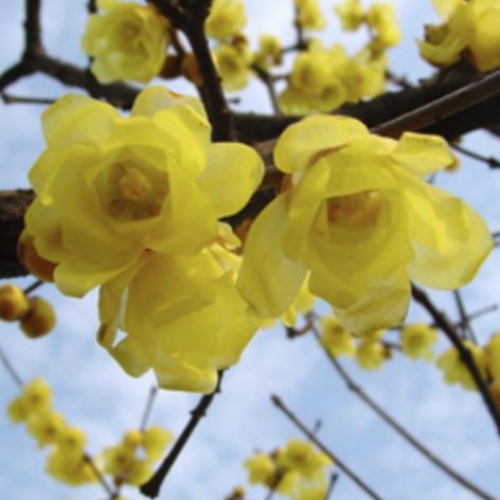
Wintersweet (Chimonanthus praecox) which is flowering in the display garden at the moment and has the added bonus of a sweet fragrance to carry through to your nose. We are getting both the normal winter sweet with soft yellow flowers and the richly coloured
Luteas variety. I guess it's a nod to spring that yellow always seems to be a cheerful kind of colour. Along those lines, the
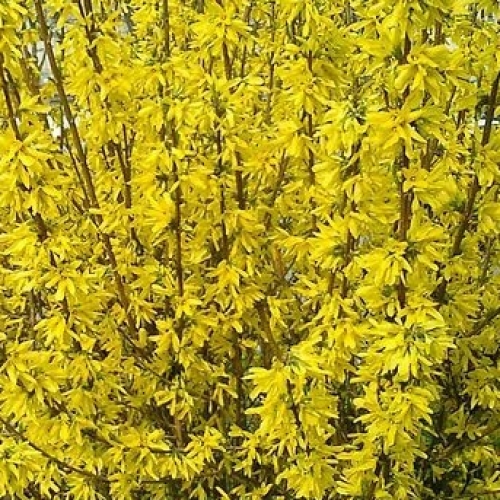
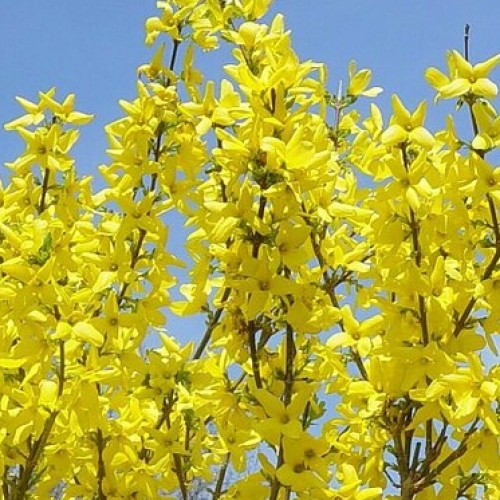
Forsythia are also a late winter/early spring kind of plant, bursting out with a colourful array of bright yellow flowers all along the stems before the leaves appear. Plant in full sun to enjoy the best flowering. Pruning is important to keep forsythia under control too, as it can get big. Wait until after it has flowered in spring to allow the longest time for it to set new buds. Cut a third of the older branches down to ground level. Cut back wayward long growths to just above a bud and remove any dead, diseased or crossing over branches. If it is really overgrown, you can cut it back hard in late winter, but you will miss a year of flowering. You will be rewarded the following year with a fresh new burst of sunshine (flowers).
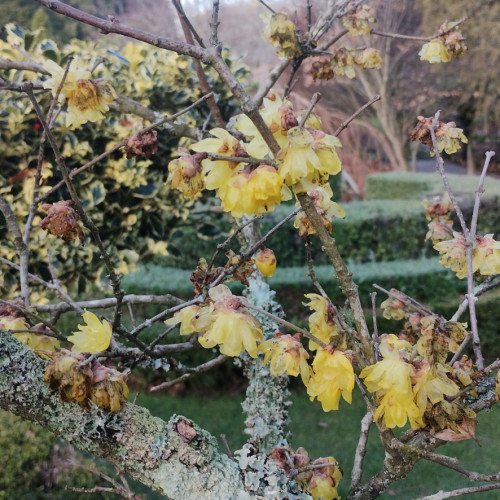
Chimonanthus Praecox in our display garden
Pears
With names like
Winter Cole and
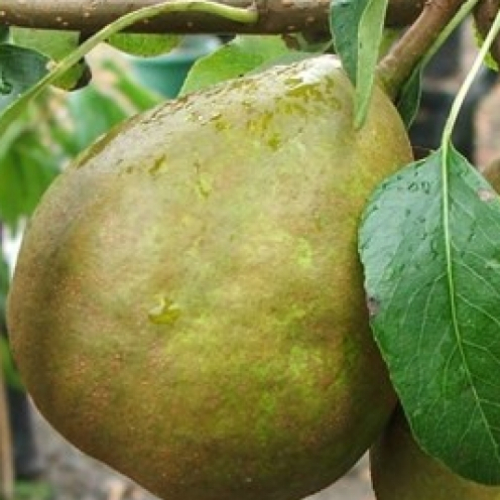
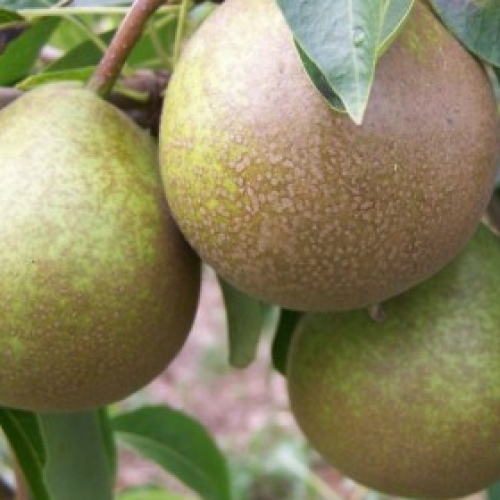
Winter Nelis, you might think these pears produce fruit in the winter but that is not exactly right. When Winter Nelis was bred by a Jean Charles Nelis, a Flemish gardener in the early 1800's, the name of the game was preserving fruit and these two are both autumn produces which store well into the winter. There weren't any fridges around in those days that's for sure. FYI Winter Cole was bred by an Aussie, J.C. Cole, from a winter Nelis seed in the late 1800's too. These are what we refer to as heritage varieties which have stood the test of time due to their sweet, juicy flesh and reliability. They are not generally produced much for commercial growing overseas as they have a russeted flesh which is not as popular with fussy consumers. When cooking, remove the skin and then cook or poach gently. The sweet flesh flavour is a great compliment for cheese boards, sharp flavours such as pomegranate seeds or cranberries, and goes well with grapes honey, dry white wine, vanilla, and caramel.
When it comes to cooking, one of the best varieties to use is
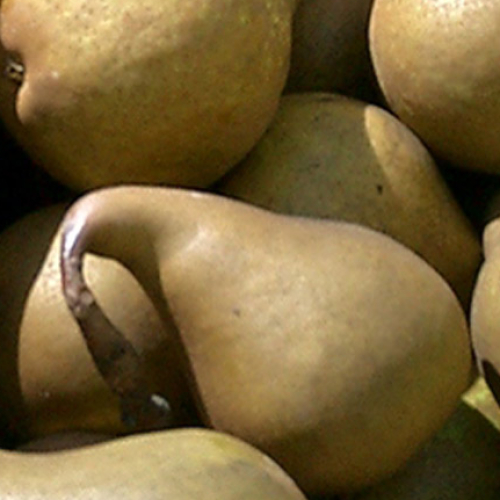
Beurre Bosc. As we discussed at potting, the Beurre part means butter and that is what it is like ...melt in your mouth buttery flesh which holds its shape well when poached or used in tarts or pies. For eating fresh off the tree,
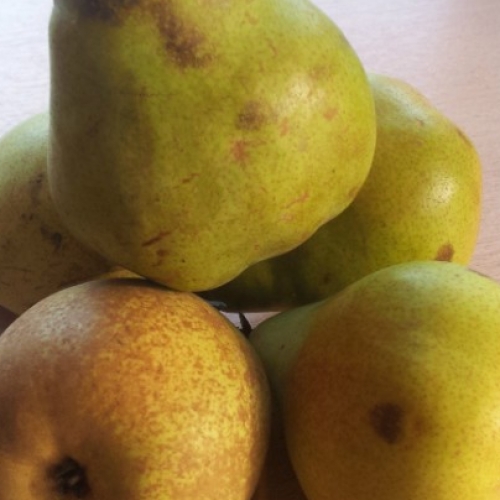
Doyenne du comice is considered the Queen. This has green skin blushed pink and white, melting, sweet, juicy flesh.
Quinces
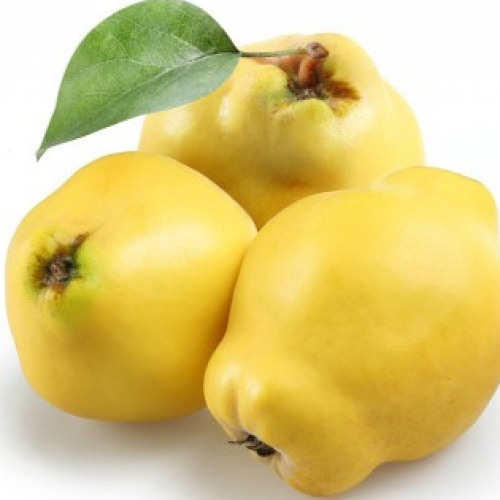
Closely related to pears are the fruiting
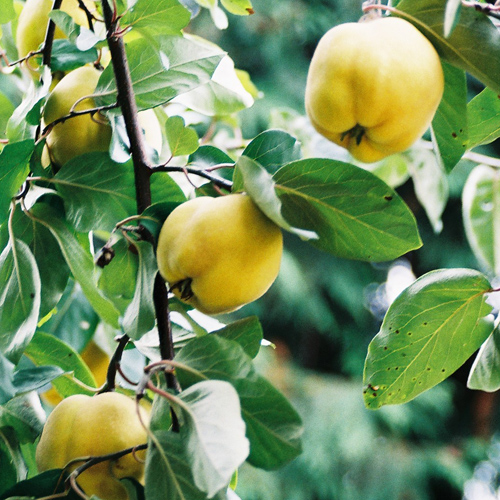
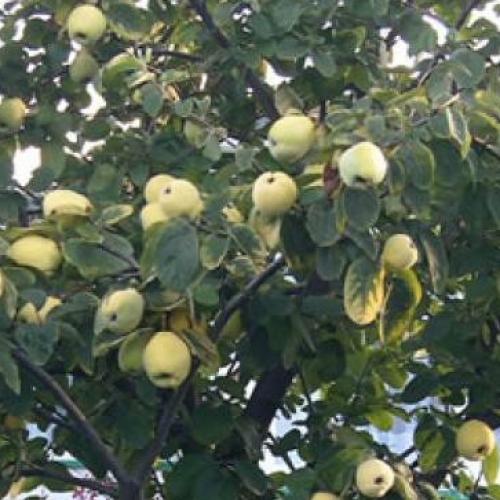
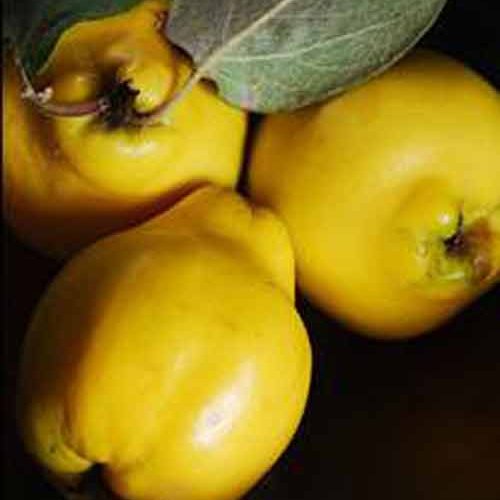
Quinces (Cydonia); not to be confused with the ornamental genus (Chaenomeles) mentioned below. The Latin name Cydonia comes from an ancient city on Crete where these fruit trees thrived, although they actually originated in Persia. Pears and Quinces come from the enormous Family of Rosaceae (Rose Family) and both share the characteristics of a core with seeds and textured flesh. However, they are very different beasts when it comes to eating them as quinces are hard, astringent and sour. However, cooking transforms them into soft, aromatic delights, so this is why they are famous for providing amazing jelly and other accompaniments. They are so closely related to pears that quince rootstock is commonly used with pears to reduce their vigour and keep the tree a little smaller, so you can actually pick the blighters rather than just gazing wistfully up at them from the top of your ladder.
An improvement on the old varieties was
Quince Pineapple which was bred specifically to be eaten fresh. This one is sweeter, softer and larger and apparently tastes a bit like a pineapple when cooked. It's a great variety where the winters are mild as it was bred in California and so is suitable for northern areas of NZ. As usual, kiwis like to get in on the act and we have our own form of Quince Pineapple which was taken from a tree outside the Brown sugar café in
Taihape. This variety is reputed to be especially disease resistant.
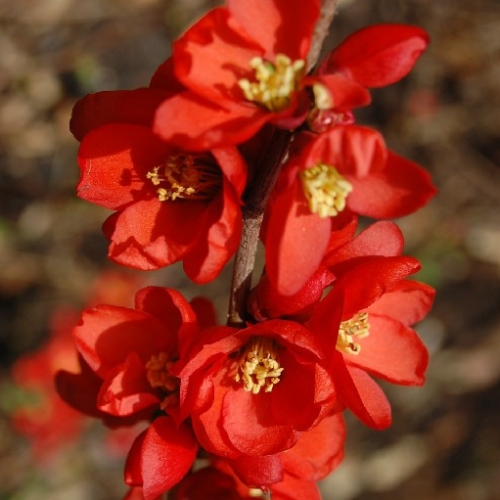
Flowering Quince/Chaenomeles
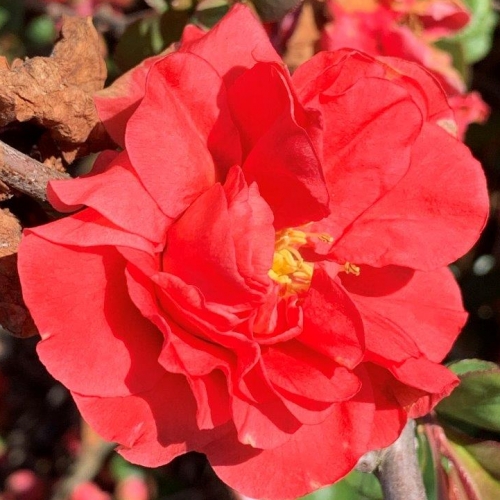
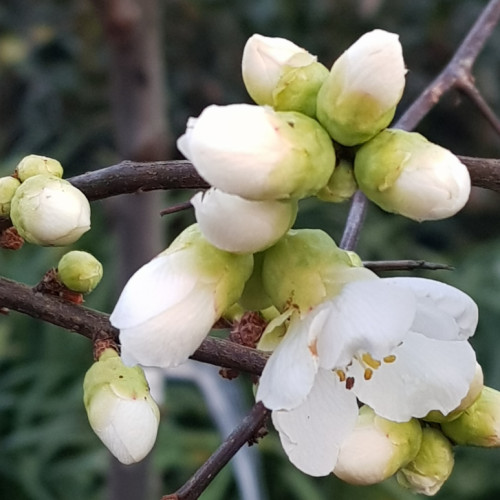
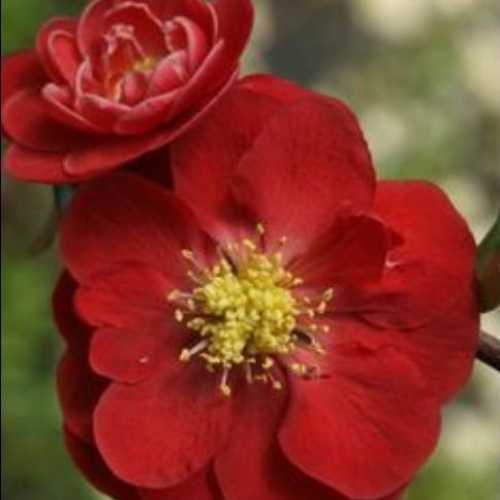
The main difference between the fruiting and flowering forms of quince is that the ornamental ones are really only grown, and have been bred for, the pretty flowers of white, pink, red, orange and apricot which they produce in late winter/early spring.
Flowering Quince do produce small lumpy fruit, which are too hard and sour to eat, but you can use them to help set jam as they contain good amounts of pectin when cooked. Make sure you remove the seeds though as these contain small amounts of toxin. So, be sure to remove core and seeds before cooking. Plant your flowering quince in full sun and remember to feed regularly in spring/summer. Cut back by around a third after flowering; aiming to keep the centre open and encourage outward growing branches. This can be challenging as it is a very twiggy and erratic grower. Remove any suckers from ground level also.
At the Nursery
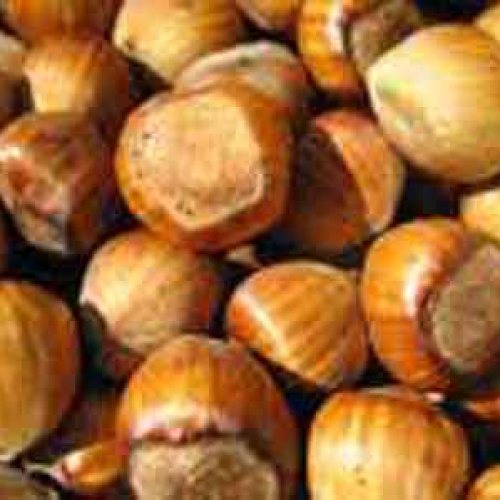
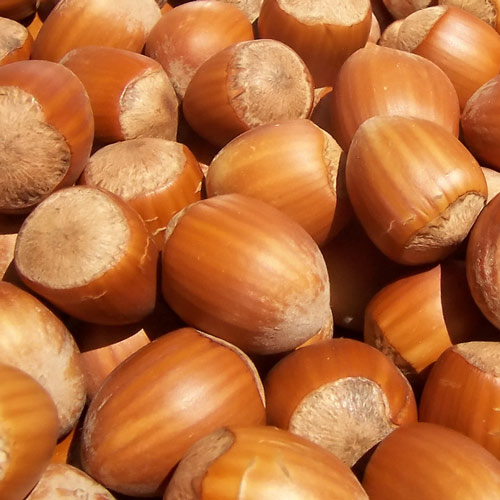
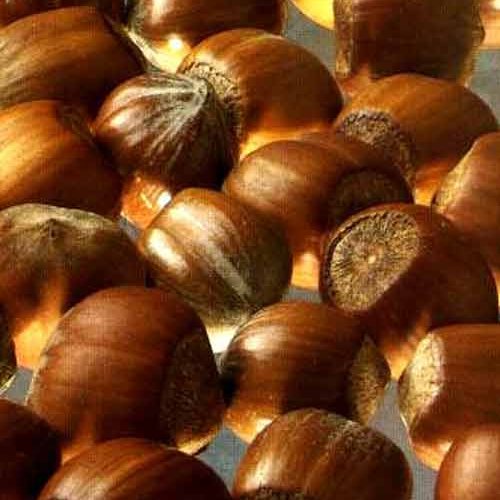
Hazelnuts are here in store now and are popular for their nuts as well as being useful ornamental shrubs. Plant in groups for maximum production as specific plants need the right pollinators. More information about growing hazelnut is
here on our website. These are best in areas where there is a cold winter and they like good air circulation around them. Plant in full sun in well-drained, slightly acidic soil. Feed regularly for good production.
Large Bare-root Trees
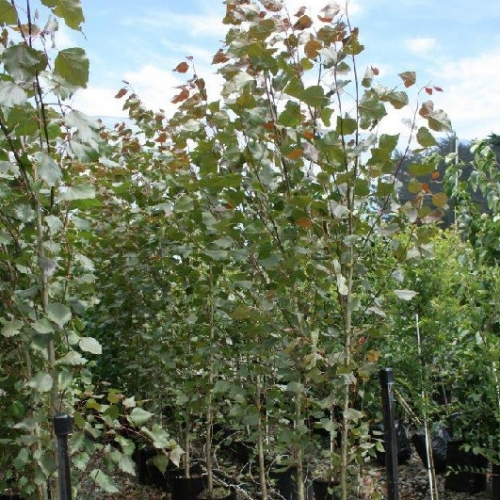
Remember our bare rooted large trees? We still have two varieties of
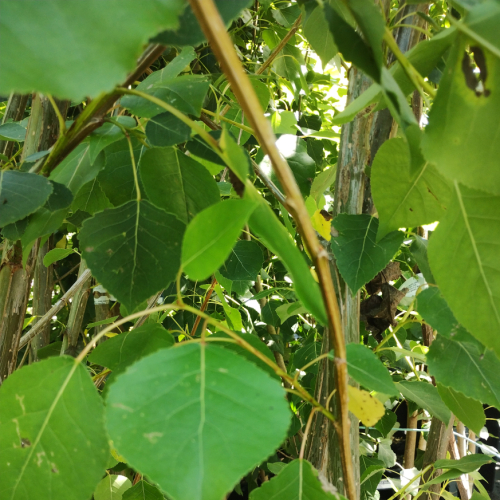
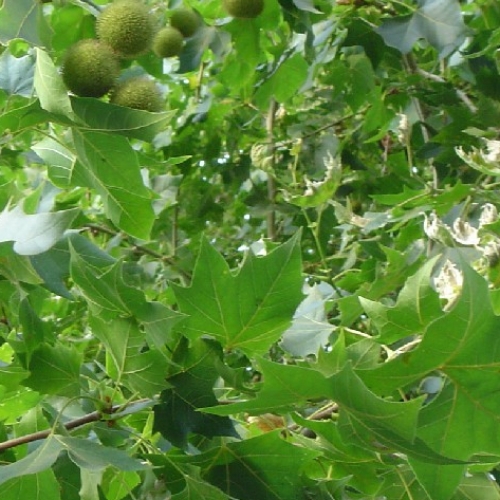
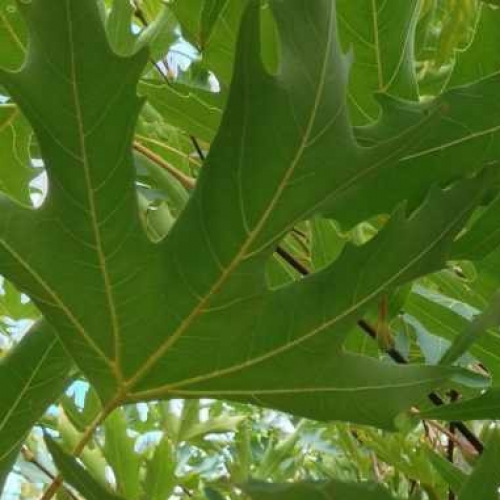
Poplar and two varieties of
Plane trees which are fabulous for shade trees for stock. Grab yours now while they are available. Bring a large trailer or horse-float for these as they are already 3-4m tall.
Pruning demo
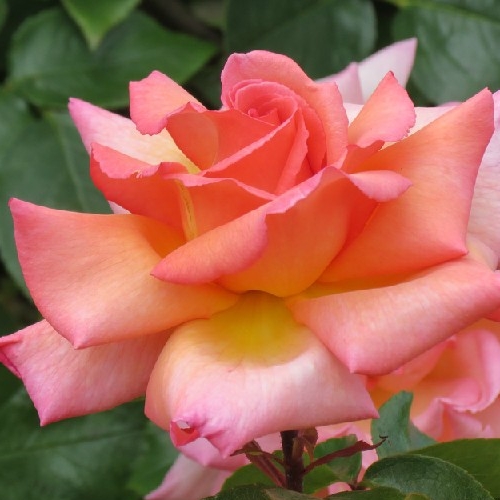
We have the second of our rose pruning demonstrations scheduled for this Saturday (18/7) from 1-3. Come along and watch the experts prune roses and answer any questions that you have. If you can, please let us know if you are planning to come by email or on our Facebook page. We look forward to hosting you at one of these. The third and final demonstration will be on Sunday 26th from 11am-1pm - see you there.
Now that my new house is unpacked, I hope to enjoy some gardening time soon... the weeds are calling. Hope you have a lovely weekend. Regards, Tracy.
Cheers from Lloyd, Tony and the Wairere Team.
Last 25 Newsletters...