Saturday 23rd May, 2026
Hi
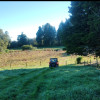
This week we all took a drive down to the giant
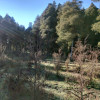
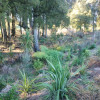
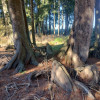
Kahikateas which dominate the landscape in the swampy area beyond the shop. Our team here at Wairere consists of over a dozen full and part-time staff and it is one of the highlights of our year to visit this breath-taking stand of trees, which have been living here for hundreds of years. This area has slowly been restored to something approaching its former glory with the removal of noxious weeds, cutting back of dead trees and replanting with thousands of native trees. It's been a labour of love for Lloyd and the gardening crew for a number of years, with the Waikato Regional council chipping for some funds for trees.
Restoring the plants involves mainly replanting the understorey to protect and encourage seedlings; which spring up but are outcompeted by the weeds such as honeysuckle, woolly nightshade, privet and the rest. Once cleared the ground can be intensively planting. We know that not every plant will grow, but we celebrate the growth and success of more and more native plants each year. With this restoration comes a boost for biodiversity in the form of many critters which live in and around the trees, the swamp and the lowland stream edges.
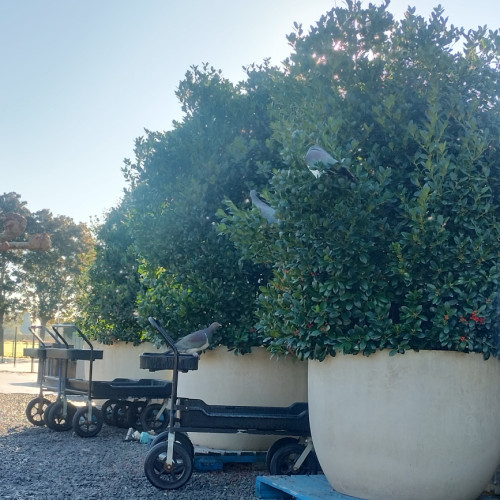
We are noticing lots of birds about in the gardens at the moment. From the heavy-weight kereru who are cruising between the
Idesia and the
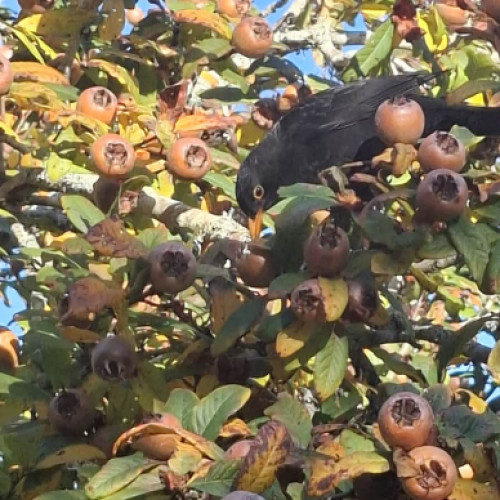
Ilex Lago berries, to the cheeky blackbirds who are raiding our
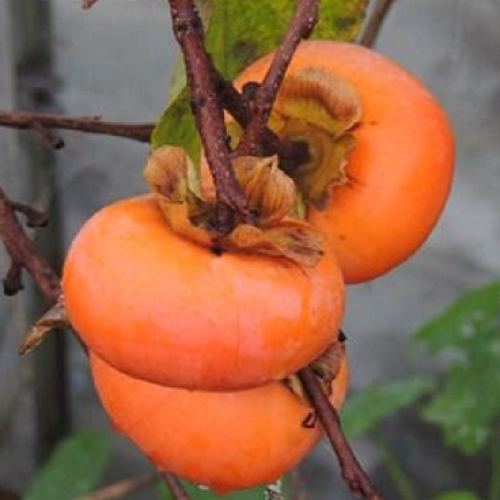
Medlar (which is in full fruit at the moment) and of course the wily ducks who are sheltering safely on our pond. There are a whole list of fruiting plants on the menu to choose from, if you are of the feathered variety, so that autumn = feast time! We are also trying to beat the birds to the last few
Persimmon which are still on the tree. Shoo waxeyes! Actually I love to see them darting about and usually it's the fruit at the very top of the tree, which people can't reach anyway, which is their target. So, they are welcome to snack as long as they leave some for us too.
A Blackbird enjoying the fruit on our medlar
Kereru fattening themselves on Ilex berries
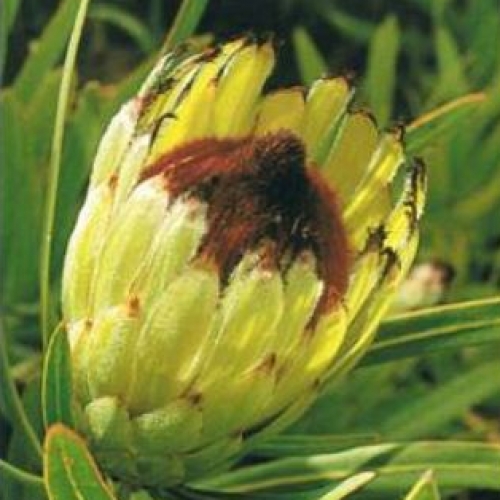
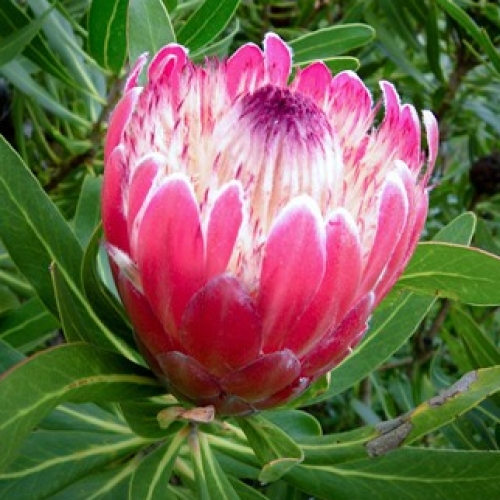
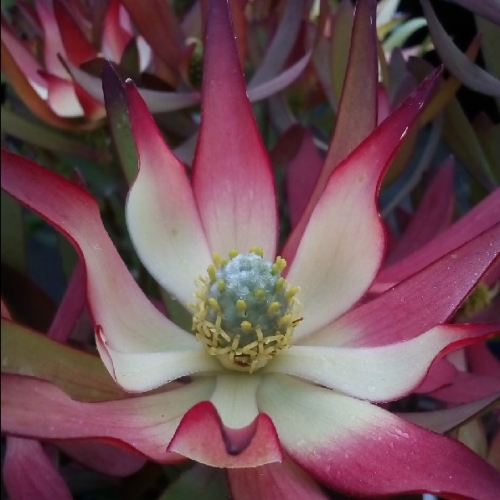
Proteas and their kin
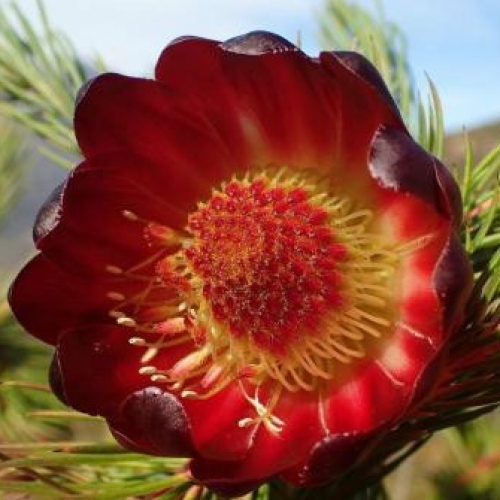
Proteas tick some boxes for gardeners who like to enjoy bringing cut flowers inside. With their magnificent blooms, which last well in a vase, they make great picking material. Added to that they are a low maintenance plant if situated in the right spot and that means generally: perfect drainage, no high levels of phosphate in the soil and full sun.
It's thought the Protea family (The Proteaceae) is one of the oldest flowering plant families on the planet, with fossil records back to 80 million years ago (why change a good thing right?). Some researchers believe, based on the wide geographic distribution of the family, that it actually predates a major ice-age about 300 million years ago...but the scientific gurus are still debating that one. In any case, the name for the family comes from Greek mythology as Proteus, who was the son of Poseidon (the god of the sea), was a shapeshifter and could take on many different forms. As anyone who has visited Kirstenbosch Gardens on the slopes of Table mountain in South Africa would attest, Proteas come in a huge variety of sizes shapes and colours. There is every colour you can think of and sizes vary from under a metre to two or three metres tall. Many of the flowers are large too - up to 30 cm across and very impressive.
In addition to
Protea, the Proteaceae family also includes the genera
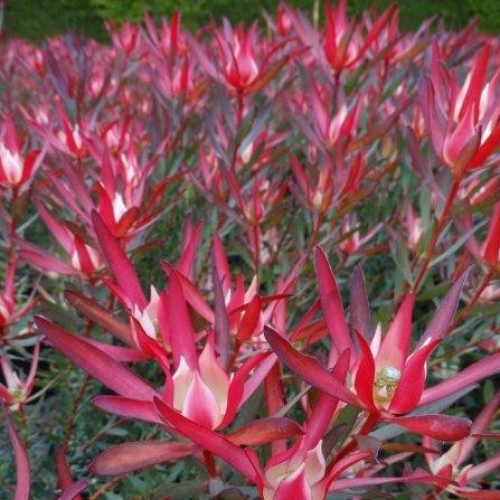
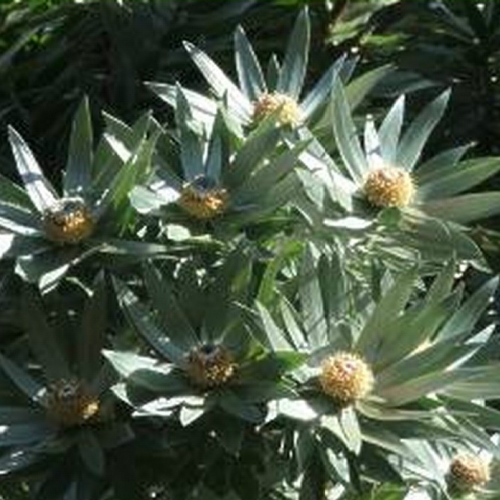
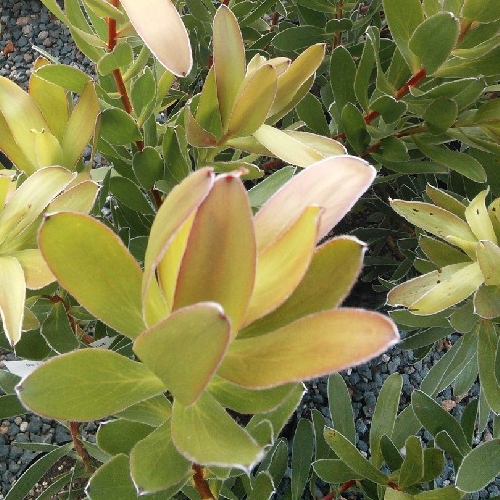
Leucadendron and
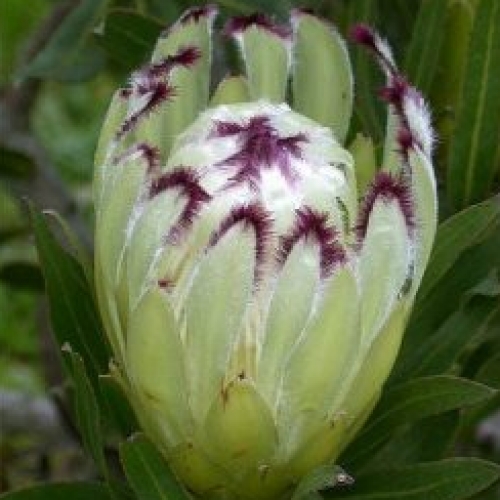
Leucospermum. Leucadendrons are generally quite different from the other two as they have colourful
bracts or specially coloured leaves which protect the flower. Leucospermums are known as pincushion plants. These have brightly coloured flowers and softly hairy leathery leaves clustered in a spiral around the stem. Leucospermum species are found in a limited area and many are considered endangered. We may have these latter plants coming in at a later date. Currently the Leucadendron are strutting their stuff with shades of red, orange, yellow, cream and plumy burgundy. They certainly add a depth of colour and texture to a garden bed with their stiff, upright bracts of many different hues.
Roses are coming - Order now
Our new season's
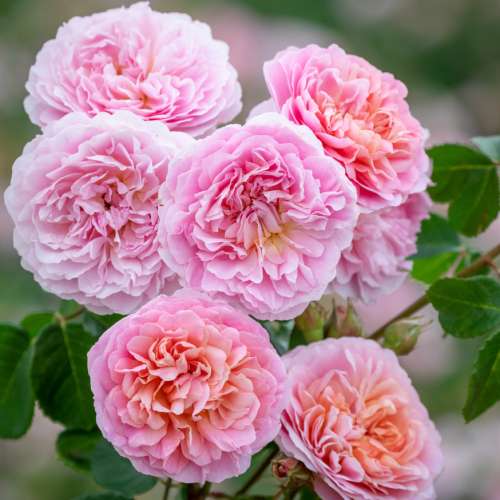
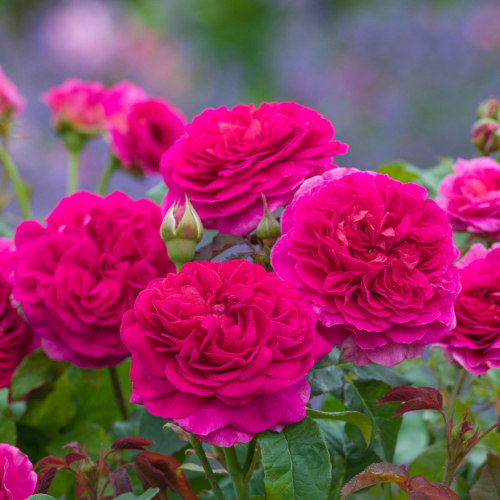
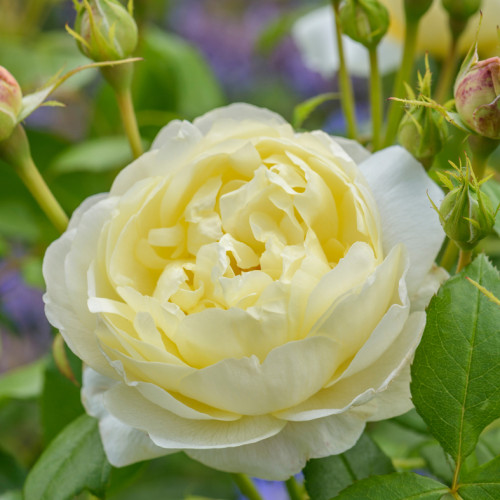
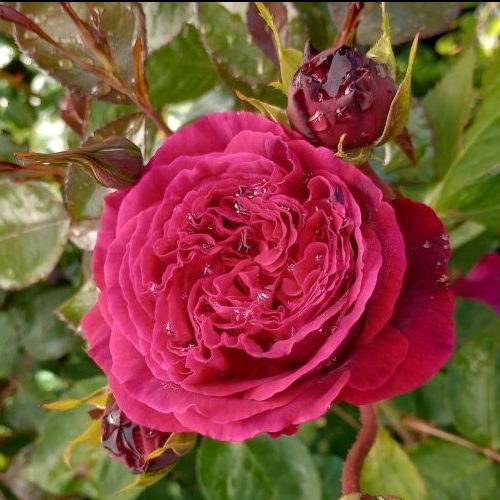
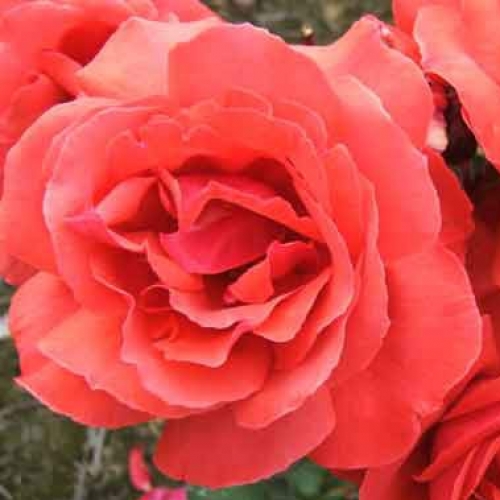
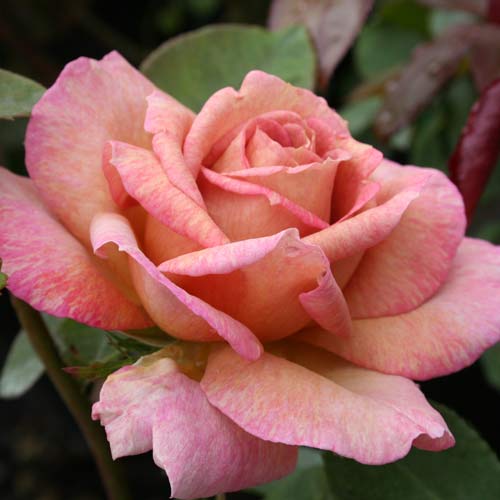
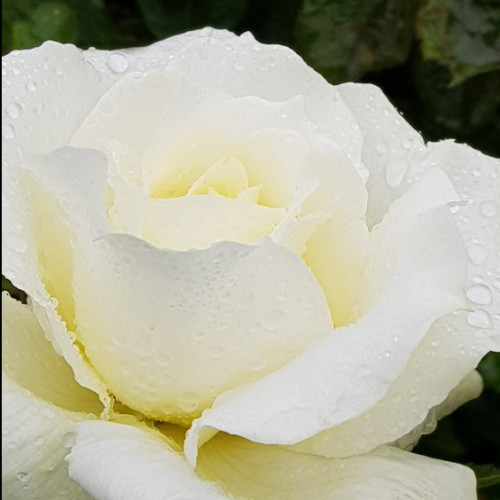
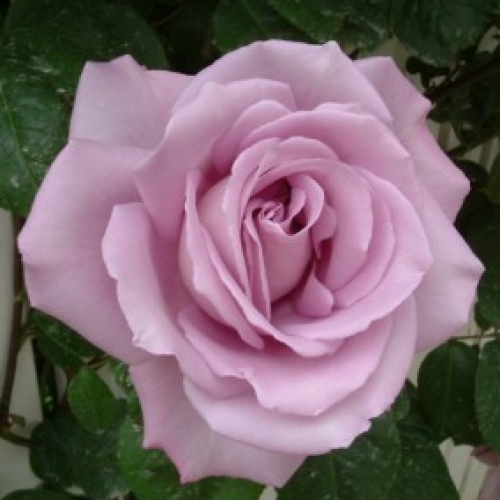
Roses are arriving from next week and we will be receiving new deliveries every week until the middle of June. There's a total of just shy of 19,000 roses to come and about 1/3 of them are already spoken for. With that in mind, we recommend putting your order in now, particularly if you are looking for a special rose to commemorate someone, as a gift or to plant in your garden. This is the time of year when we have the biggest selection, so don't leave it till spring because some varieties will be gone by then. Some highlights to look out for are the new varieties of David Austin Roses:
Eustacia Vye,
Gabriel Oak and
Vanessa Bell. Coupled with many old favourite Austin roses, they will be in high demand.
We are getting roses from several different suppliers over the next month; so each week's delivery will include many different fabulous varieties. Watch this space for updates on some of the old favourites and new varieties which will be arriving over the next few weeks. While the bare plants don't look too exciting when they first come in, our website can give you an insight into the gorgeous flowers which will be sure to cover them in Spring and Summer. And of course, we can't really convey here the fragrance which is a feature of many roses. For that you will have to wait until October or November, when the first flush is in full flight. Here's a teaser about this week's deliveries:
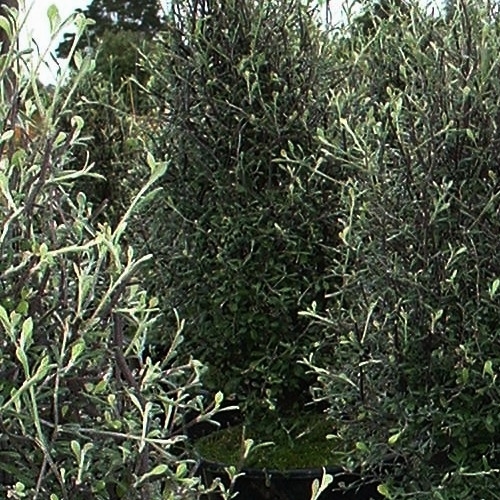
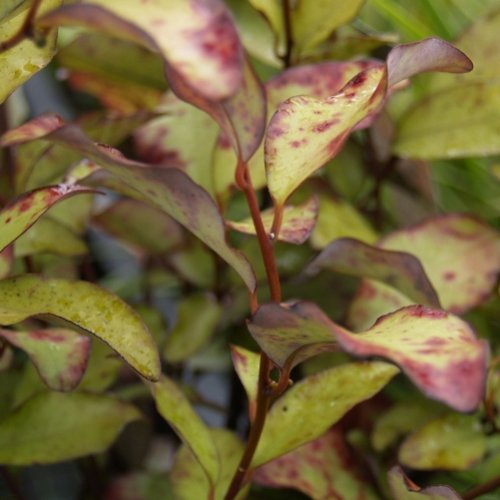
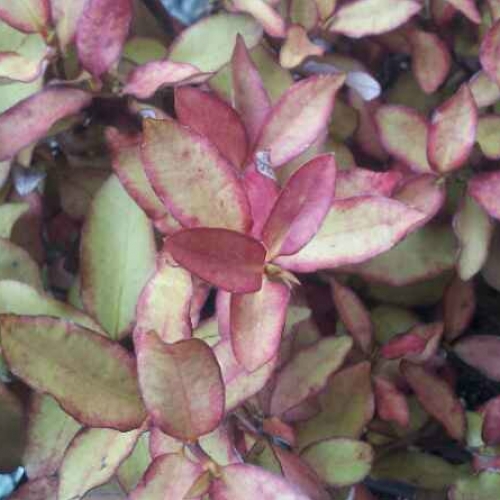
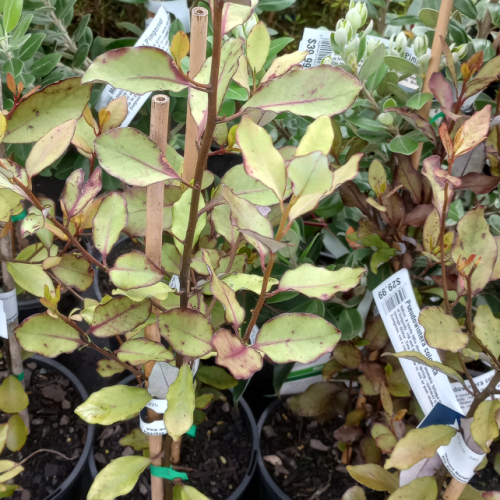
Pseudowintera
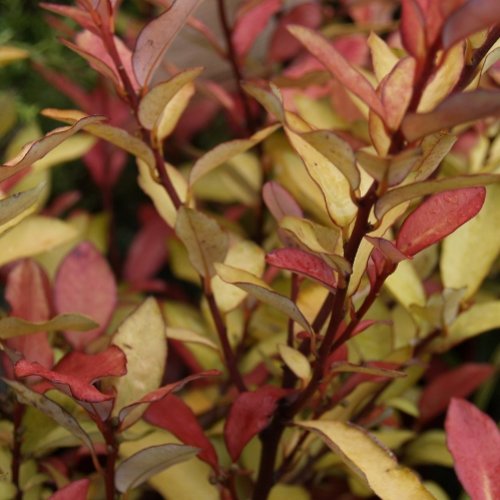
Pseudowintera or Horopito is a gorgeous native plant which has a reputation for spiciness. In fact, the reason for this is that it contains a compound called polygodial which discourages insects and animals from browsing on it. It also acts as an antifungal, so was used traditionally to treat bruises rashes and skin infections and also for toothache. This doesn't detract form the fact that it is a great and attractive garden plant; it has a distinctive wavy red or yellow spotted leaf and dark coloured stems. One of its special features is the way the colours intensify over the colder months - like
Coprosmas and
Nandinas - you will get more vivid tones of deep red, yellow and burgundy at this time of year. These are fairly slow growing plants, so they would make a great low hedge, if you have the patience.
Pomegranates
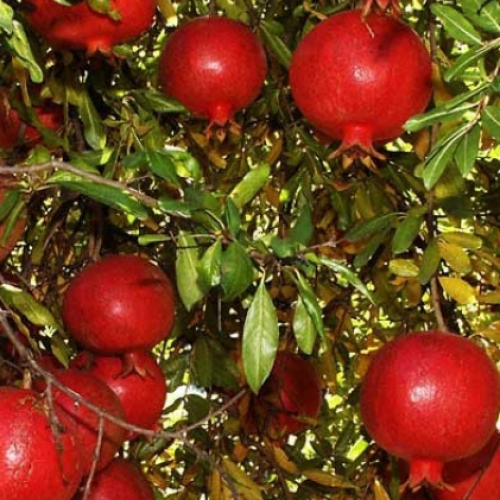
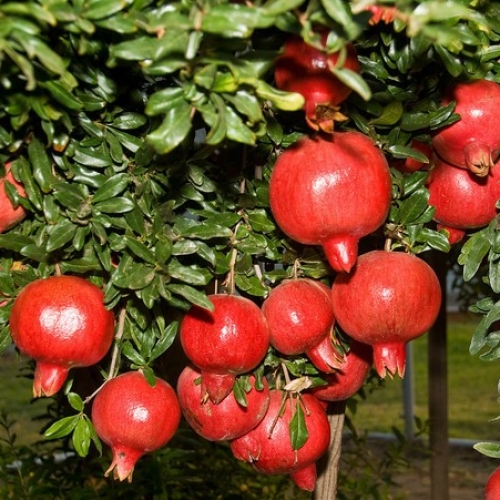
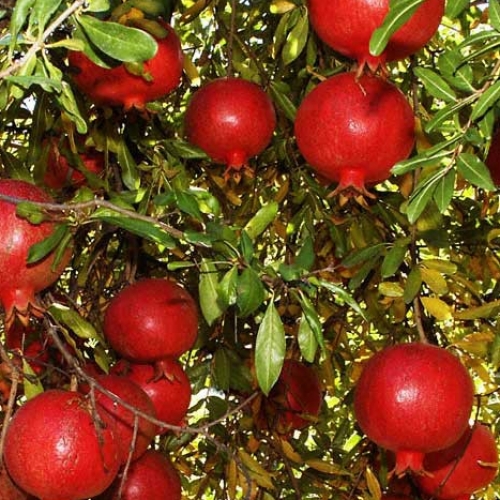
In case you have never seen the unusual fruit of the
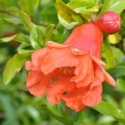
Pomegranate, they look a bit like an apple from the outside but cut them open and you will wonder what kind of alien capsule you have discovered as they are filled with small bright red arils (a fleshy seed covering). A single pomegranate can contain 1000 of these babies, so you better watch out or they will be all over the kitchen floor before you can say "Gordon Ramsay". Here's a
link to the best way to get the good stuff out without too many tears.
These are used to flavour salads, add to a cheese board, drinks, to flavour couscous or use the juice...These fruit were originally discovered in Iran and are rich in vitamin C and folic acid. They are packed full of antioxidants and can help with digestion and to clear up skin problems. It's a shame that they are known as the devil fruit as Greek myth has them linked to the legend of Persephone and Hades and the underworld. Yikes! I don't think you are in danger if you eat one - check them out
here for some more information about the varieties we have in stock.
Hope you have an awesome weekend, whether it's watching or playing sport, gardening, relaxing or visiting friends and family. The weather is looking like it is going to be well behaved for a little while yet, regards Tracy.
Cheers from Lloyd, Tony and the Wairere team.