Friday 4th September, 2026
Hi
The Early Bird gets the Worm
Psychiatrists and Nursery staff have more in common than you might think. As well as being the go-to experts when people need to get rid of stress and anxiety (plant a tree and save the planet) they are also an aging population. Figures I heard recently were that 50% of psychiatrists will retire in the next decade. Nurseries which have been long established growers, with aging owners, are also finding that when the developers start waving their cheque books around, suddenly retirement seems a bit more attractive. Don't panic I don't mean us here at Wairere! But as our suppliers slowly dwindle, it leads to a severe case of FOMO (fear of missing out) for me when I contemplate my new one acre block outside Morrinsville. I know that sometimes, when it's gone (sold-out from the the nursery) it's gone! There is not a nice button you can press to order some more.
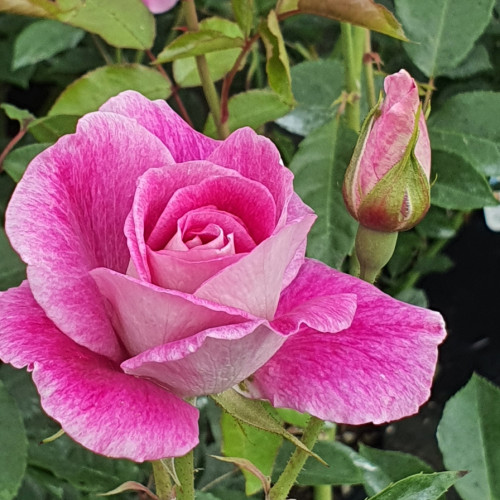
Many of the plants take months, if not years, from propagation to selling. Our deciduous trees are at least 2 years old when they arrive with us and that's not taking into account the growing of the root stock before grafting. For example, I sold the last Luisa plum last weekend (FYI we originally got 200 of these in July). Yikes! We have also sold out of Black Doris plums until next year. While you were snuggling on your couch this winter, some keen gardeners were scoring plants! Another customer came looking for the Earth Angel rose; sorry no cigar - 80 early birds came before and snaffled them. So I guess what I am saying is the best time to plant a tree was yesterday - if you want the best selection, get in quick!
Having said that, there are some staples which still have in abundance (at the moment) so all is not lost. At last count we still had 240
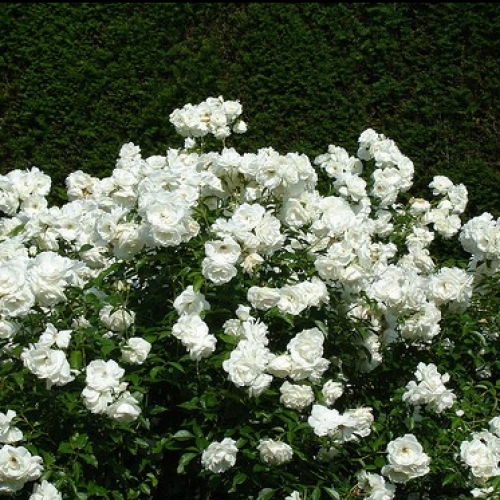
Iceberg Standards, about 100
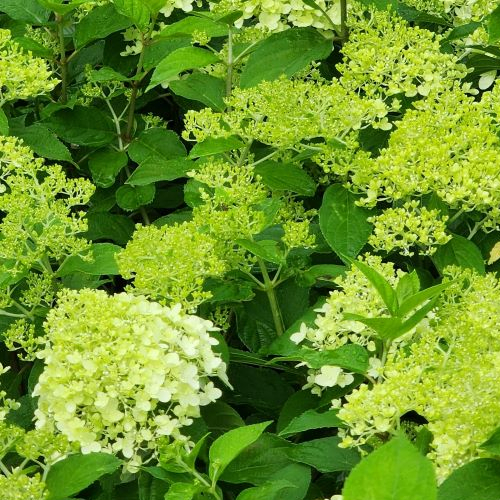
Hydrangea Limelight and about 25
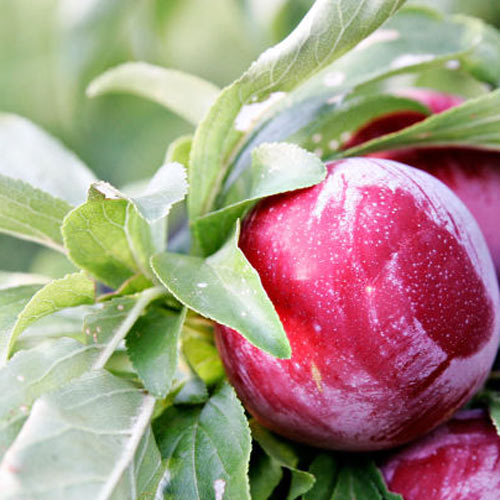
Plum Hawera (a self-fertile variety) plus 400 in other varieties. Ready, set, go!
Conifers
The conifer family are somewhat of an "unsung hero" of the garden world. From Scandinavia to Africa, the Mediterranean to Japan, they can be found in every climate, county and soil. Conifers encompass a huge range of size, colour, form and texture. We can treasure our massive native giants such as
Kahikatea,
Kauri and
Matai and also enjoy the elegant
Thujas used extensively as a driveway tree. Then there are the ground cover
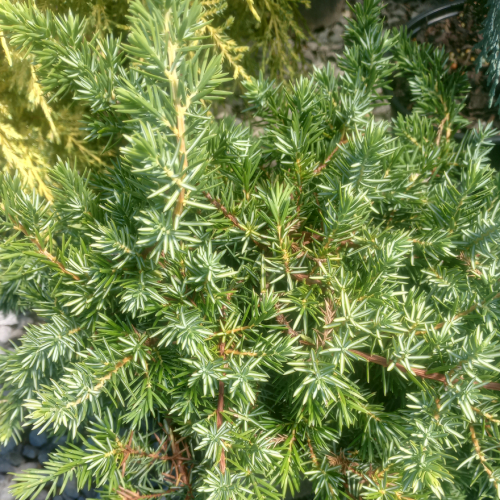
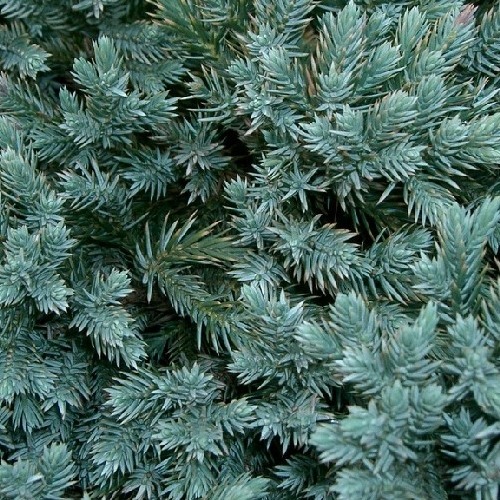
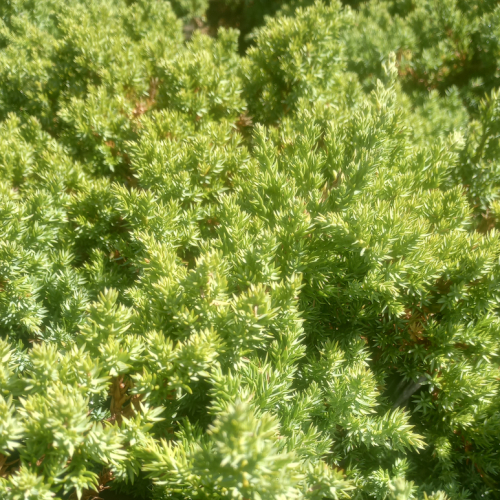
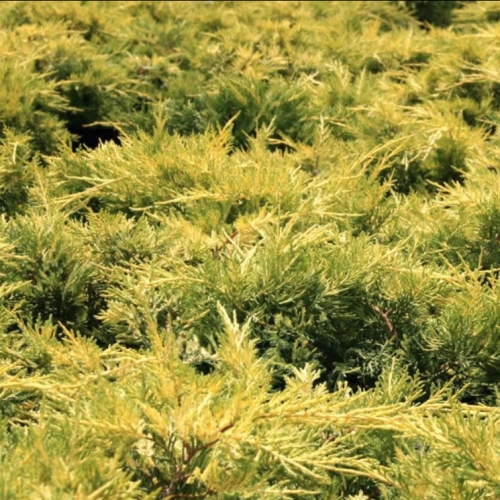
Junipers that can be used in many settings.
In the 1970's they were all the rage in gardens for busy people who didn't want something fussy to look after. Many are the ultimate in low maintenance and this, coupled with their generally slow rate of growth, means they can last for years without needing much attention. That slow growth-rate means they are perfect for structural form and to add a focal point to your garden. You will no doubt be family with the cloud pruned
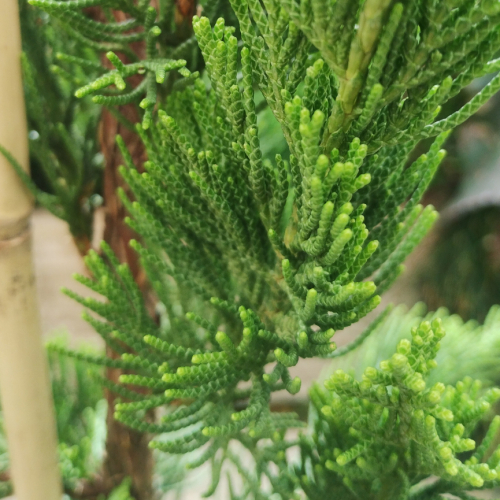
Juniper Kaizuka which are outside our entrance and also make an appearance in our display garden. Many customers come in to inquire about these and are somewhat daunted when told it can take 15-20 years to really get a good shape. To game the system - start with the biggest you can find - some large ones arrive next week. You can also use
Totara (Podocarpus) for this and we have an example in our display garden.
Big is beautiful:
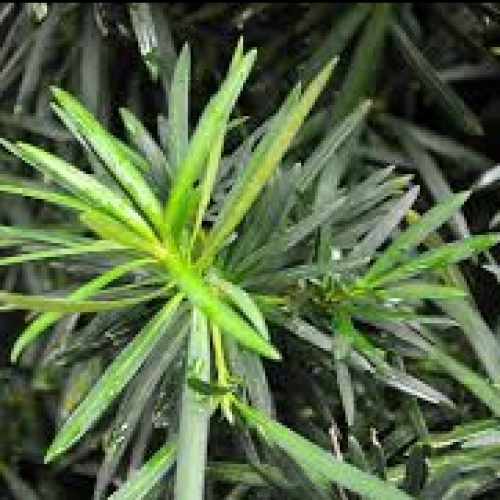
Podocarpus macrophyllus, also known as Buddhist pine or Yew plum pine, is highly regarded overseas as a good
feng shui tree - bringing the owner harmony with the natural environment and allowing the life force of your surroundings to promote health, peace, and well-being.
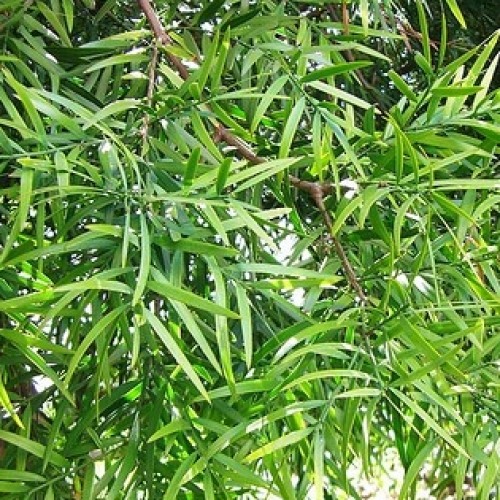
Podocarpus Gracilior, a conifer originating from Kenya and Ethiopia, is also a pretty specimen tree. Its graceful, slightly weeping habit adds elegance and style to your garden.
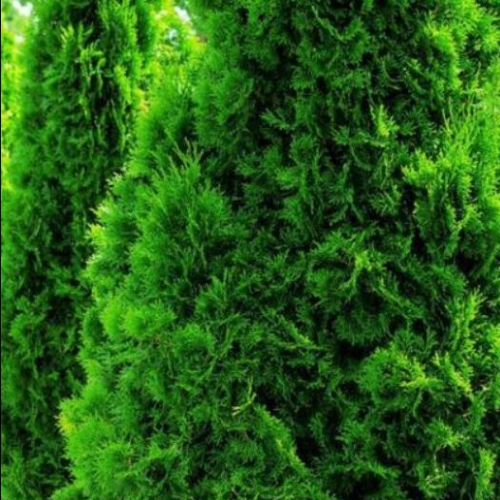
Thuja Smaragd is a bit of a mouthful if you aren't used to it, but when you know that Smaragd is the Danish word for Emerald it can soon roll off your tongue. With compact tidy growth it is a great plant for lining a driveway, adding an exclamation mark to a garden or a focal point for a courtyard. For those with a bit more space,
Thuja Green Giant makes a quick growing and dense hedge which can grow to 10 m.
Small but perfectly formed: Dwarf conifers have been used for generations as bonsai specimens due to their slow growth rate and their naturally ancient look. With tiny scales instead of leaves or needles
Junipers are top of the pile when it comes to this. They also have flexible branches and thick foliage which lends to careful pruning and shaping.
Weird and wonderful
Here at Wairere we like to think we are a bit different from the rest, and one of the ways this is true is that we stock some things which you will struggle to find elsewhere. Some examples are
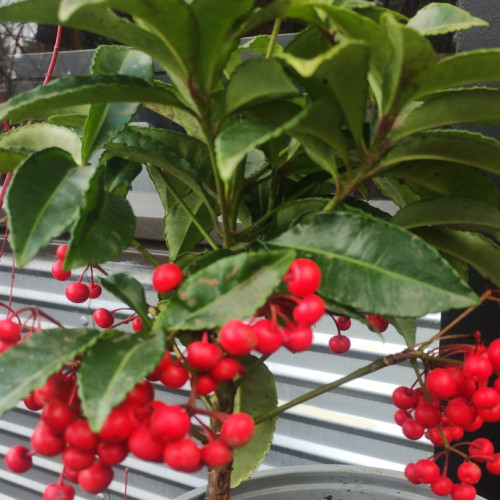
Ardisia which we spotted recently at Trade Day. These unusual shrubs have been showing their colourful berries for weeks now. Note that while these berries are very decorative, they are not edible. These plants have attractive, dark green foliage and display small pink and white flowers (before the berries form). It can tolerate only temperatures above freezing, so it suitable for warmer areas in New Zealand.
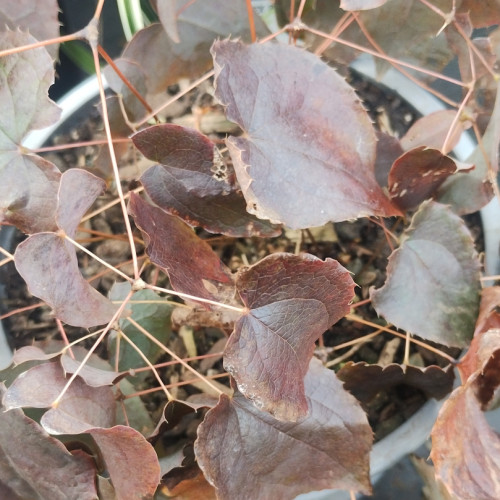
Epimedium are great little ground covers for shady and moist places. Perfect under trees where they can spread their leaves without the risk of scorching by the sun.
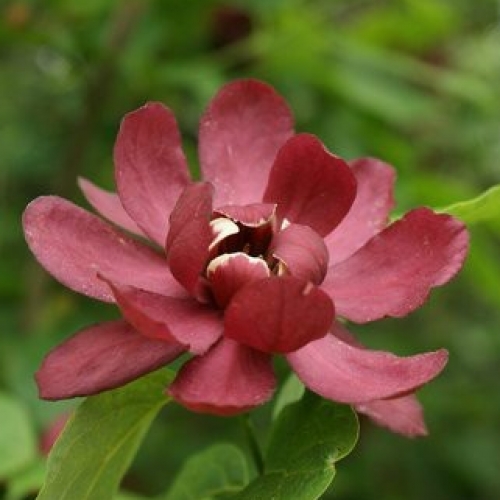
Calycanthus is a medium-growing shrub with attractive dark green leaves and 5-8cm wide deep wine red magnolia-like flowers. It's great for picking and prefers full sun or partial shade. It is very hardy and tolerant of many different soil types.
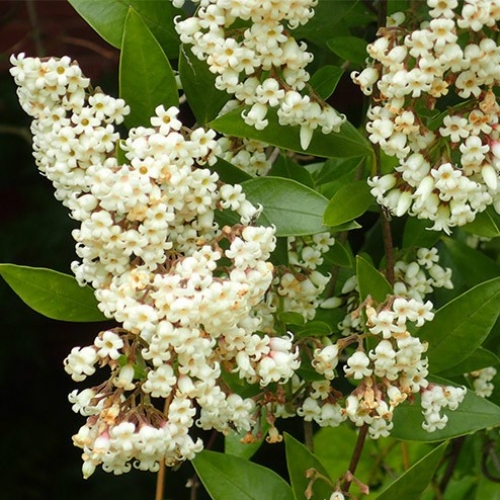
Parsonsia heterophylla is commonly known as New Zealand Jasmine as it is only found here and nowhere else in the world. It is not well known but can be sometimes be seen growing up into the canopy of lowland forests where it is a little hard to spot from the ground. The flowers are white, fragrant and tube shaped and borne in clusters. Most trampers who encounter NZ Jasmine in the bush will notice the fragrance before seeing the plant.
Herbs
We all look forward to the arrival of fresh new plants from our "
Vegetables and Culinary" section with the spring season. We have just received a delivery of lovely
Herbs which can be used for culinary, medicinal and ornamental purposes. Cook, infuse and enjoy whatever takes your fancy.
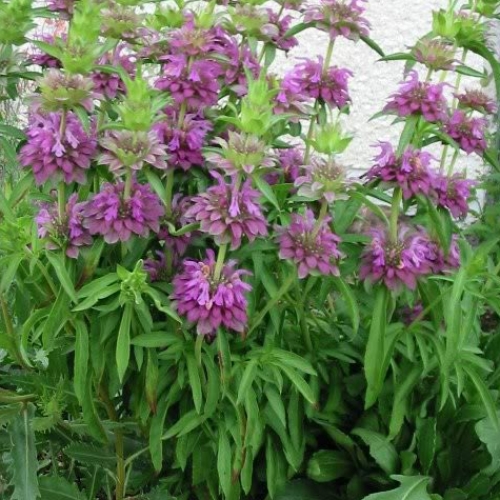
Bergamot can aid you to sharpen your senses and it also has antibacterial qualities. In addition, it's a great addition to the garden to attract pollinators (Bergamot is also known as Bee Balm) and perfect for naturalised wildflower plantings. It is traditionally used to flavour teas with its refreshing summery flavour. Our
Lemon Bergamot has just arrived in stock.
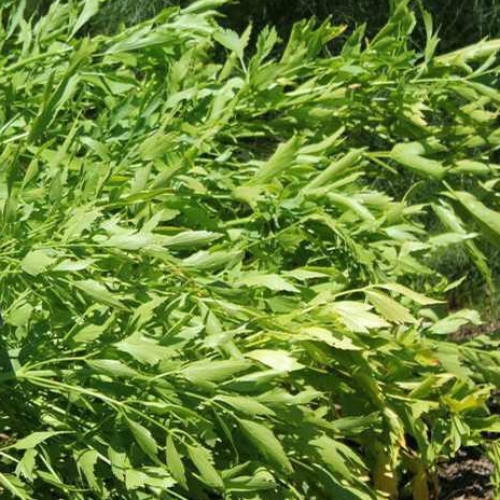
Lovage is an ancient herb which is known for stimulating the digestive system and also has deodorising qualities - refreshing in a bath. It's a great addition for cooking with potatoes and brassicas with a celery-like flavour.
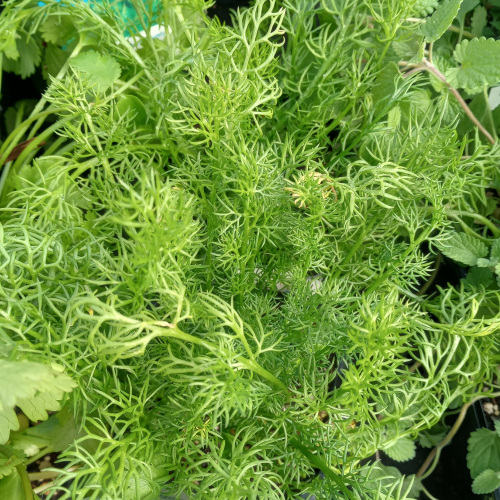
German Chamomile helps to speed up your compost breakdown. Flowers of chamomile have a strong effect on nervous system - reducing effects of stress and tension, even headaches. The name
Dill is derived from the Old Norse word ‘dylla’ (to lull, soothe) and this herb is often used with fish when cooking or to help your goat produce more milk if that takes your fancy!
While we are talking edibles, we still have two varieties of
Asparagus available. We only stock these once a year; so get in soon or you will have to wait until 2027.
Pretties
With the arrival of spring the tables will start to fill up with what we call "fluffies". That's a highly technical garden centre term for the
Perennials which are perfect for adding a touch of flowering magic to your garden. Whether they go into pots and planters or garden beds, these are the things which will dress up your garden as you look to spend more time outside. Something a little different is the
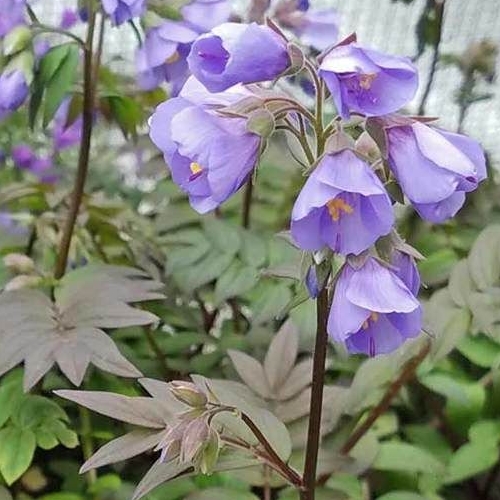
Polemonium or Jacob's ladder. Not only will these plants please the bees, they will also add a light fragrance and splashes of colour to a shady corner. They don't need deep shade, but will want at least some protection from the hot afternoon sun.
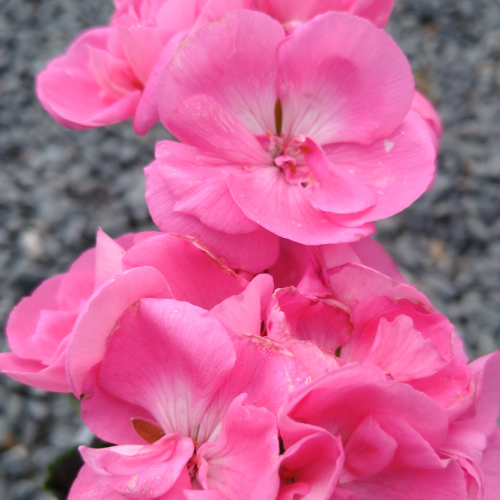
Geraniums are the classic pot plant in terracotta to add style and long flowering oomph to any outdoor space. Pretty flowers and colourful leaves are the bonus of
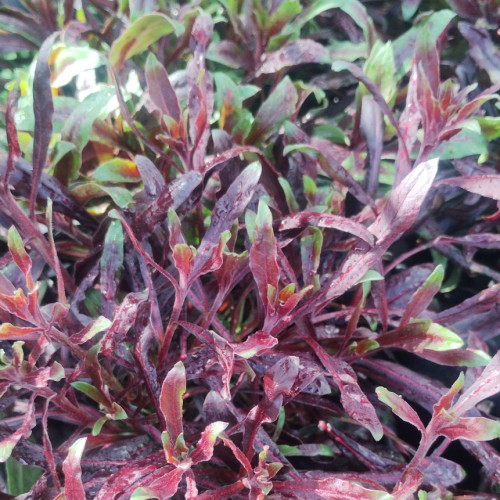
Gaura Pink Bouquet. The flowers of this variety range in colour from very pale pink to deeper tones and complement the pink and green leaves. The first of our
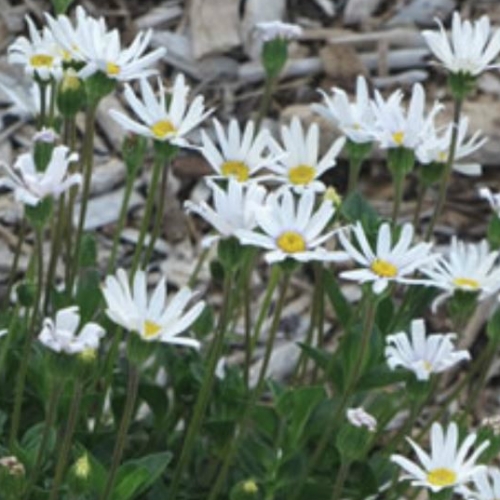
Daisies have arrived, and we expect many more of these later in the season.
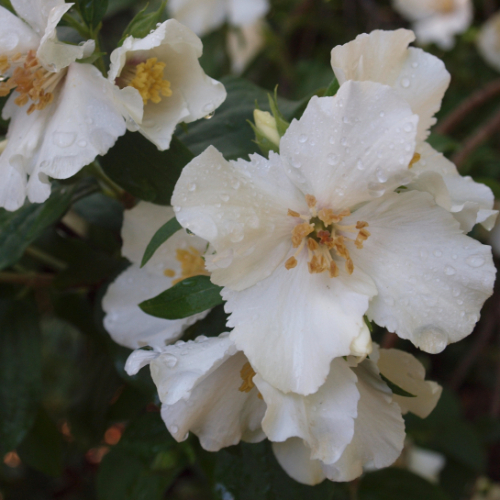
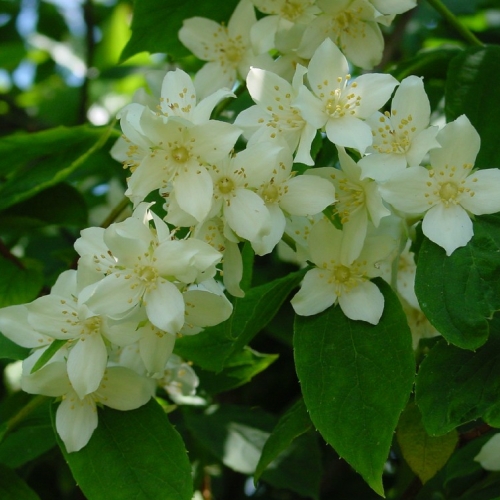
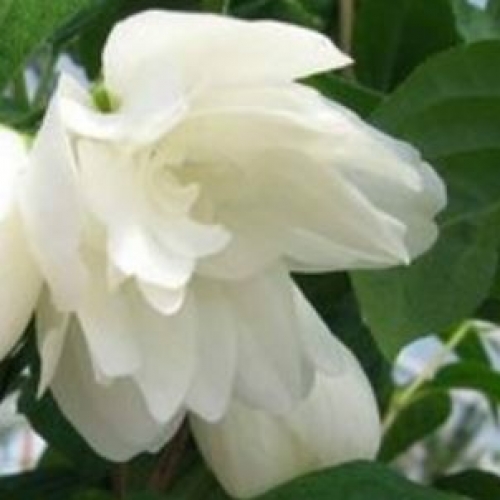
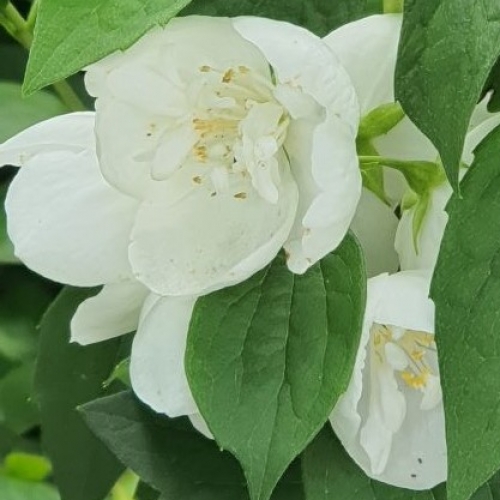
Philadelphus/ Mock Orange
Philadelphus is a name that comes from an ancient Greek word for Brotherly love. I will use this as an excuse to plant it in my garden - I do love my brother. Spring flowering beauties, the mock oranges are actually part of the hydrangea family. As deciduous shrubs go, they are on the more vigorous side generally, and benefit from a hard cut back after they have finished flowering. Some types of philadelphus have a lot of saponins in their bark which is a natural compound that when crushed and mixed vigorously with water produces frothy lather. This was what Native American Indians used for washing themselves and their clothing. The sweet smell of the flowers is also more intense in the evening, attracting pollinators, and it does mimic the aroma produced by actual oranges or jasmine. Your philadelphus should thrive if you plant it in full sun in well drained soil and add a little lime in spring occasionally.
I'm visiting the 'Naki this weekend and hope to see some sunshine and catch up with family. Enjoy what ever your weekend has to offer. Tracy.
Cheers from Lloyd, Tony and the Wairere team.