Saturday 7th March, 2026
Hi
Brrr, it's been a chilly start to March so I hope you have your thermals and blankets handy. We are heading south on holiday soon and need to acclimatise, but this is ridiculous! Hopefully this is just a little dip before things even out and we have a more gradual slide into winter temperatures. On the plus side, when you are in the sun the days are spectacular. South Island weather will take a bit of getting used to though.
Planting time
Not that I am advocating that you ignore the advice of your local plant experts, but if you Googled "what is the best time of year to plant trees" the internet would give its well considered answer - Fall (translated to autumn on this side of the world). You can be certain that the plants you put in now will have the maximum time to grow before the really stressful (from a plant's point of view) time of year arrives i.e. summer. Hot days, little water and increased humidity all give most plants a hard time. Compare this to cooler temperatures, increased rain fall, softer soil and you have a recipe called March, April, May. So why wouldn't you get out your spade and tape measure and start thinking about what you can plant now?
Customers who haven't visited us before are often amazed at the selection of
Deciduous ornamental and
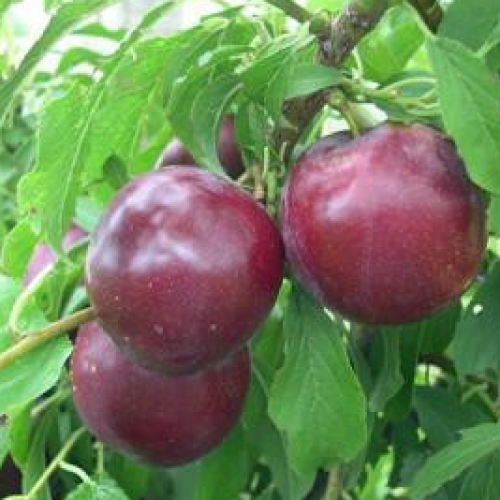
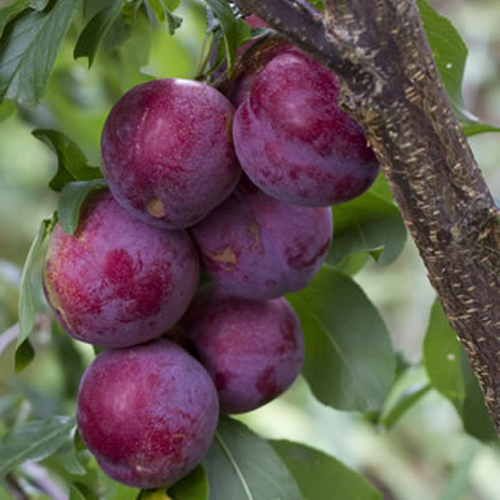
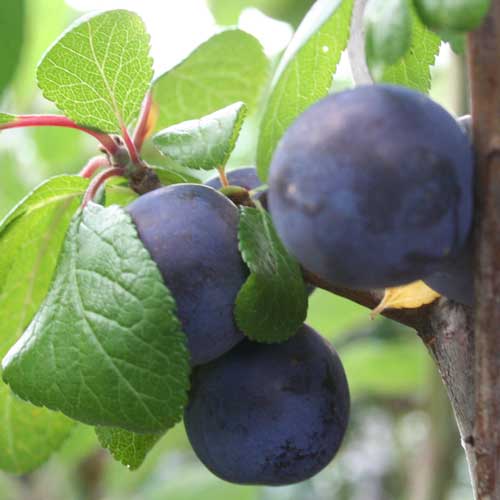
Fruit Trees which we have in stock at this time of year. Still in the double digits for
Plums such as
Billington's Early,
Burbank,
Coe's Golden Drop,
Damson,
Satsuma, and
Wilson's Early with a few less of
Omega,
Hawera and
Santa Rosa - you will have to get in quick for those. We also still have in stock
Pears,
Apples,
Peaches,
Nectarines (only a few),
Persimmons,
Almonds and much more.
We are all ready for the
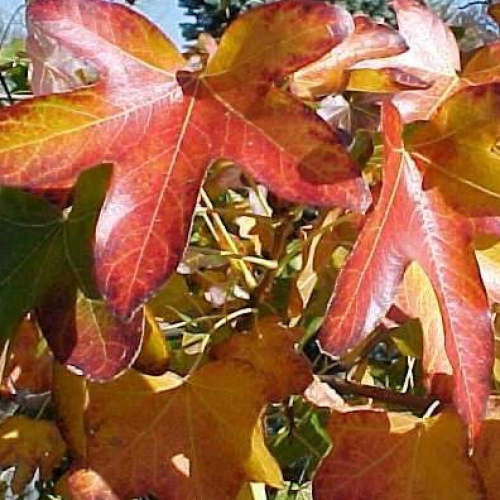
Deciduous trees to show that stunning colour as a trade off for the cooler weather and you know there are some sensational ornamental trees still up for grabs.
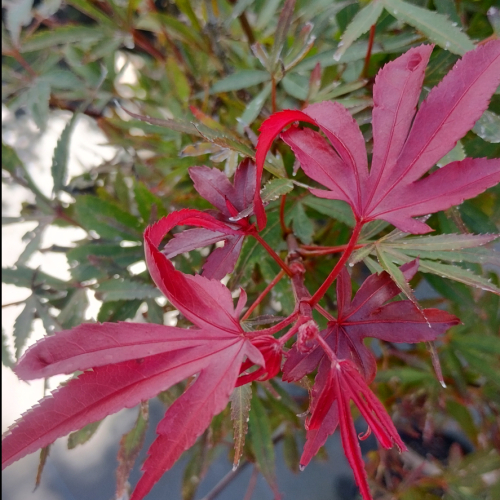
Maple (Acer) Skeeters Broom - a Dwarf Maple with shrimp pink and red new growth in spring, with leaves then becoming dark red in summer and then fiery red again in autumn.
Maple Shaina is another dwarf with wine-red foliage in summer and deeper autumn tones. These make stunning feature trees in pots or in the garden near the entrance, or to draw your eye to another part of the garden.
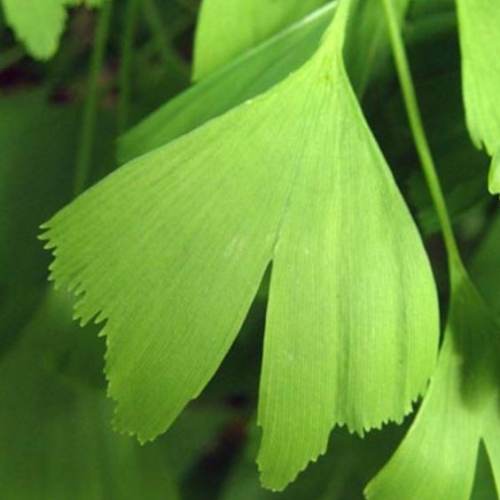
Ginkgo trees have been planted for centuries and it's said could be regarded as a living fossil as they have outlived the dinosaurs. These majestic trees are actually part of the cycad and conifer line of plants (the Gymnosperms) because they have 'naked seeds' rather than reproducing using flowers and fruit. These trees are wind pollinated as they evolved before there were insects to do the pollinating. The main reason Ginkgoes have been in cultivation for so long is probably their brilliant yellow show of autumn leaves. Almost glowing with the low sun coming through the branches they are something special.
Ginkgo Saratoga is a male clone with a slightly weeping habit.
You can tell from the name that
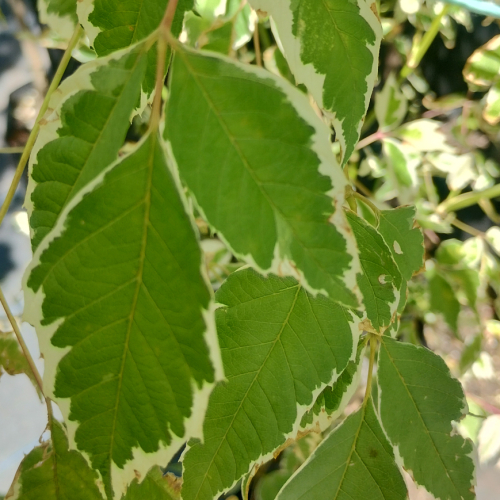
Acer Flamingo has got some pink there somewhere in the mix and sure enough it's a pretty mixture of cream, pink and green to offset the stripey bark which looks like the skin of a snake. These snakebark maples are truly worth their weight in gold as they give interest in spring - fresh pink new growth, summer leaf colour, autumn hues and winter bark to round out a year of looking great.
New Release Roses
We have all been waiting and now we can announce some of our gorgeous, brand new
Rose releases which will be available later in 2026.
Top of the list (for us anyway) is
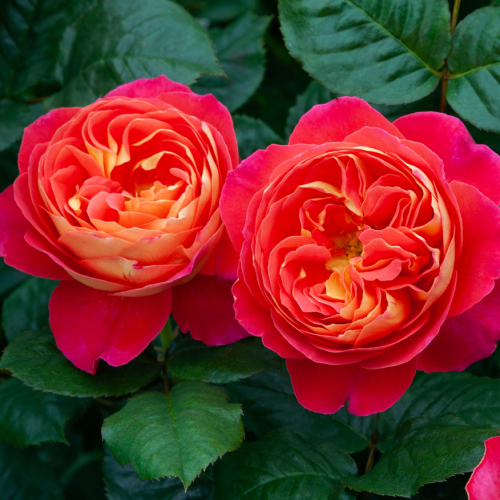
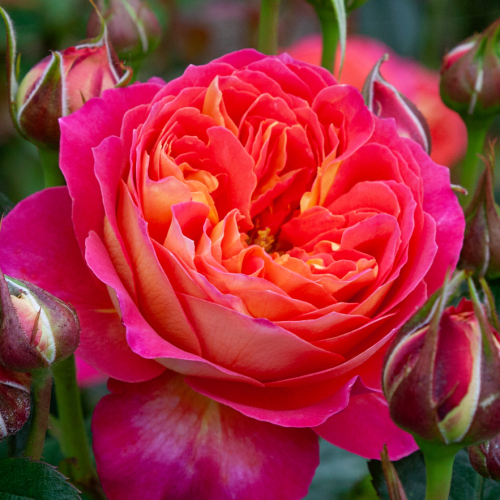
Pride. This stunning rose has glowing tropical toned blooms of warm cerise pink with a yellow reverse. It certainly stands out from the crowd as being different with its multi toned colour. Other features of this rose are: it is sensational for picking, with cupped form and repeat flowering; it is high health; it has a light fragrance; and, it was bred by Bob Matthews from Matthews Nursery. In addition, we are happy to claim it for the Rainbow community given its colouring and name. We are taking preorders now for the delivery arriving in June: just pop it on your waitlist. We will have this rose in
Bush, 45cm and
80 cm standards.
New David Austin NZ releases
For fans of
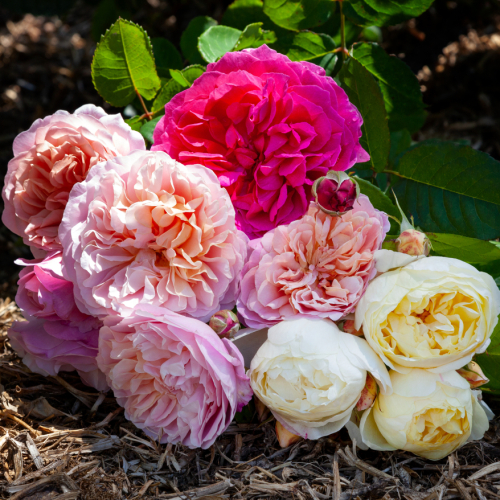
David Austin Roses we are in for some treats this year with the release of not one, not two but three new varieties.
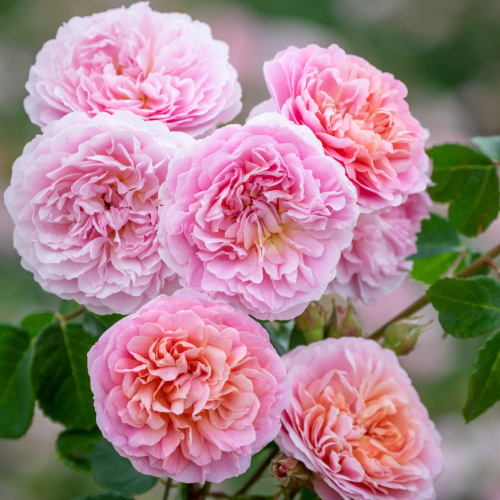
Eustacia Vye is pretty rose of soft, glowing apricot-pink, each bloom packed with numerous delicately ruffled petals. Held on red-tinged stems, the blooms begin as shallow cups, opening to full rosettes, revealing petals of a richer hue, which gradually pale over time. They have a delicious strong fruity fragrance. A very healthy variety; it makes a strong, vigorous shrub with bushy, upright growth. This one rates 5/5 of the scale of scent. She is named after a character from a Thomas Hardy novel who is described as a beautiful, irresponsible and mildly neurotic hedonist. Well the rose is beautiful anyway, maybe not the rest.
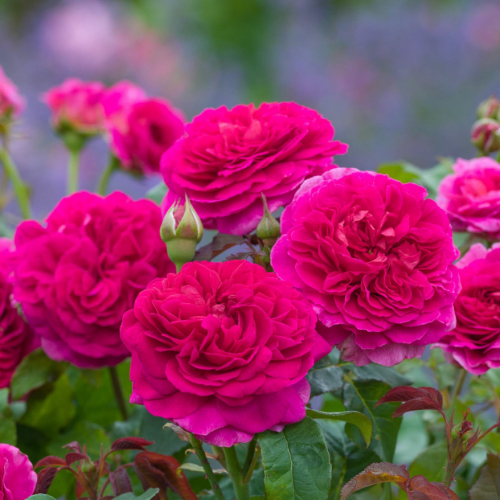
Gabriel Oak is gorgeous too with its exquisite deep pink, many-petalled rosette blooms and delightful, fruity fragrance on a strong shrub rose. The vibrant, deep pink flowers contrast with their lush green foliage. Also named for a book character. This one is the most steady character in the thomas Hardy book "Far from the Madding Crowd". "His strength never waivers and he never veers away from doing the right thing". Your rose should grow well and never falter!
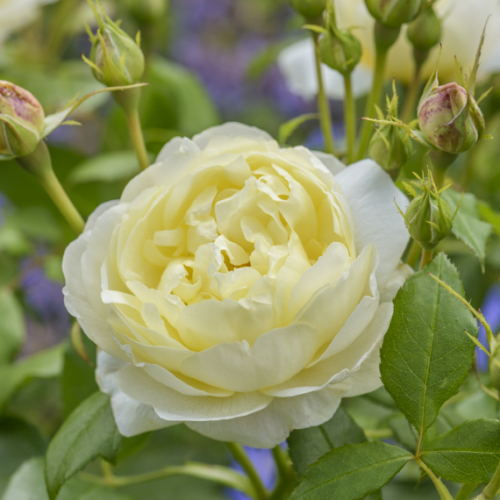
Finally there is
Vanessa Bell which has pink-tinged buds that open to medium-sized cups held in large clusters. Pale yellow, paling to white at the edges; each has a rich yellow eye. The fragrance is similar to green tea with aspects of lemon and honey. It forms a bushy, upright shrub. Vanessa in named after Virginia Wolfe's sister, who was an English painter and interior designer. Another pretty addition to David Austin's stable of fantastic, full of fragrance and healthy roses.
Seasonal features at the nursery
Viburnums
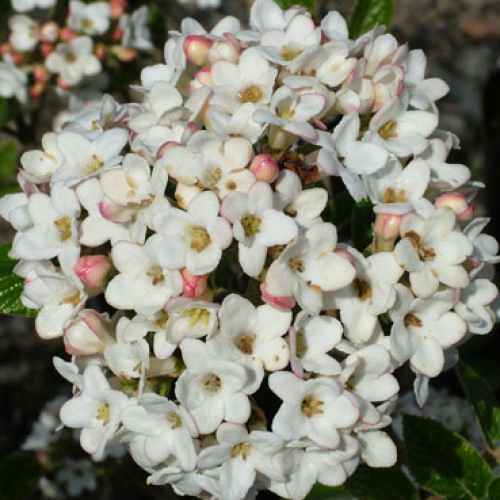
Viburnums davidii: This fabulous little evergreen shrub is known the world over for its deep green leathery leaves, white flowers and stunning dark berries. It's one of those quirky plants which have separate plants of male and female (i.e. it's Dioecious; just like the Ginkgoes mentioned above). Both male and female plants are required if you want your plants to produce pretty, metallic turquoise-blue berries. When you see 'ii" at the end of a plants name you know its named after someone - in this case a Jesuit missionary Jean Pierre Armand David who discovered the plant in its native China in the 1870's. Viburnums generally thrive in sunny spots but don't mind a little protection from the very hottest summer sun and love a good mulch. We will have the male form in stock soon. If you want berries then guidelines suggest you have one male for every three females... any other comments...don't go there!
Speaking of
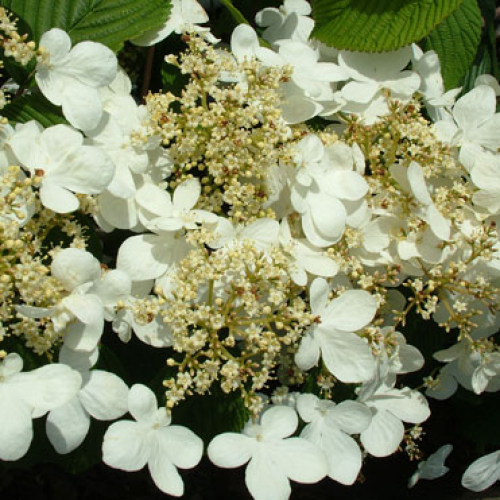
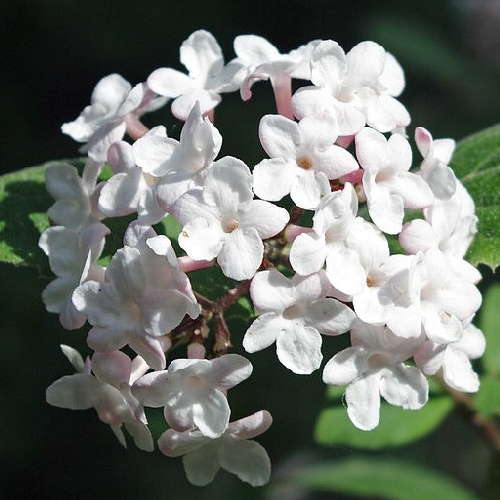
Viburnums, they are a diverse group featuring evergreen as well as deciduous varieties. The deciduous ones are starting to colour up beautifully and give a real autumn feel to the garden at this time. Spring will see them covered in flowers, so you get a good range of interest for a long time. Often they make great 'fillers' in the garden because they are medium height (1-2m tall) and easy to grow, requiring little special care.
Viburnum Anne Russell,
Summer Snowflake,
Mariesii and
Carlesii are all easy care and beautiful in spring, summer and autumn.
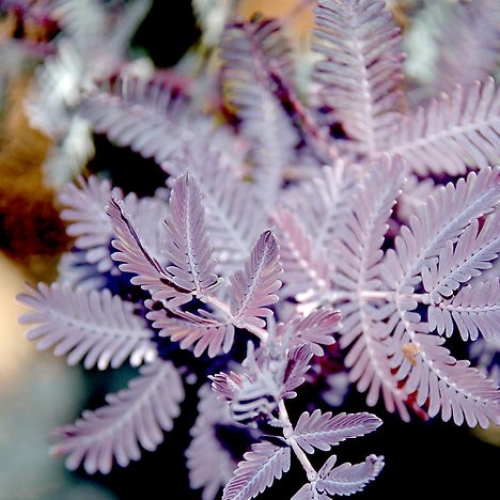
Acacia Baileyana - Wattle
If you have seen a
Cootamundra wattle (Acacia baileyana) in full flower you will be WOWSA - what is that? In winter and early spring they become a mass of fluffy yellow balls as the plants become smothered in flowers. These quick-growing Aussies are perfect for coastal sites or areas where the soil is sandy or rocky. They just don't like wet feet or clay. They grow to around 5m tall and 3.5 wide and the
purple leaf form has smokey purple tones on the feathery leaves.
There's a bit of an argument with bee keepers about the rights to use the name "manuka" when associated with honey. Technically, while the plant
Leptospermum scoparium is native to both Australia and New Zealand, it is only Kiwi plants that have been given the Māori name Mānuka, and bees who visit the flowers of our plants produce honey with certain health benefits. This has increased demand for manuka honey, a high quality product with a correspondingly high price tag. Honey made from bees who visit Australian Leptospermum plants also has many great qualities, but they are distinctly different, so shouldn't that honey have a different name?
A customer recently pointed out to me that we shouldn't call Australian tea trees "natives", and while that's true, it's not black and white. Not only are there varieties that are indigenous to both countries, there are others that have been bred here from both Australian and NZ parents, e.g. the
Wiri series that were bred at Auckland Botanic gardens. For convenience sake, we will leave this group in the "
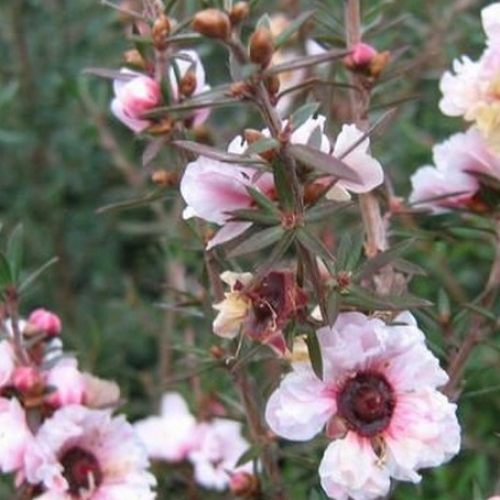
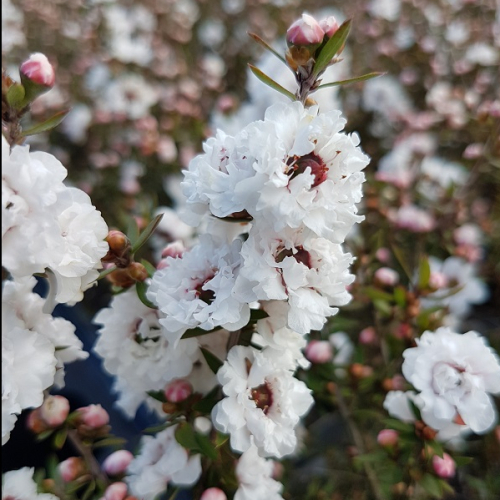
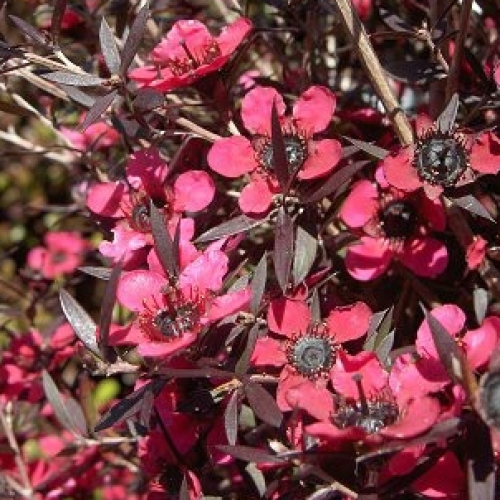
Natives" section on our website for now. In any case, Leptospermums are a useful and attractive shrubs which are hardy and easy to grow in our climate. Varieties we currently have in stock include
Leptospermum coppersheen,
Blossom,
Electric red,
Wiri Linda and
Snow Flurry. Click
here to see our full range of Leptospermum varieties, including those we are expecting to arrive in April.
It is my weekend off this time, so I will be heading to the beach for some R and R. I hope that whatever your plans, your weekend is enjoyable. Regards, Tracy.
Cheers from Lloyd, Tony and the Wairere team.