Saturday 20th June, 2026
Hi
There are some people who think there is nothing worse than dirt and mud. Eww... Luckily none of them work here! To do this job you have got to be immune to a bit of grime and dirt under your nails because it's a fact of life when you work with plants. It's OK to embrace mother earth at this time of year, although it's bound to be a bit mucky. Dig out your gumboots and gloves and get stuck in because if the soil is not too waterlogged, it's a great time for planting. It's also close to the winter solstice, which is a momentary second in time when the sun hits a certain point over the Tropic of Cancer. We all know how the daylight hours have seemed to be dwindling - from now on we should be happy to have more time to do stuff outside (probably won't notice any difference until later in July though).
Planting
I thought I would talk a bit about the "how tos" of planting so that when you get your new little treasure home, you know how to give it a good start. When customers ask me about planting, the first thing I generally ask them is "what is your soil like?". This is important because if it is on the light, sandy side you may need to add some organic matter such as well-rotted compost. Customers have asked me about adding horse or cow manure when planting and generally I would discourage people from doing this because both of these are very high in nitrogen and can actually burn the roots of the plants if you put it directly into the hole when you plant. It's better to add manure to your compost heap and let nature do its thing. By allowing the manure to break down and feed all the little critters which do the composting, you release all the nutrients into the mix. There is also the possibility that undigested herbicides have 'passed through' to the manure and these may need some time to break down also.
Generally speaking, if your soil is on the medium to heavy side you can leave off the compost when planting at this time of year. In winter, compost can result in too much moisture being held near the dormant roots and that can cause the plant to rot. There are probably more newly planted plants which die because of over-watering than drying out. Unfortunately the symptoms can be almost identical: limp leaves, leaves falling off, plant goes yellow. So: less is more in the winter. Mulching with compost or leaf mulch in the summer months, near but not touching your plants, can conserve water and prevent plants from drying out as well as suppressing weeds. Remember "donuts not volcanoes" when thinking about how to apply the mulch.
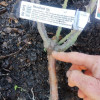
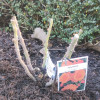
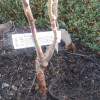
Plant your rose or fruit tree with the graft union about 5-10 cm above the soil. It's important to keep the crown free of the soil so that the growing points, that is the buds which initiate from this area, are kept as dry as possible and the sun can reach them to do its thing to encourage them to activate.
Images in order left to right: Graft point; Rose planted too deep; Rose planted too shallow; rose planted at correct depth
Rose favourites continued...
As advertised, Lloyd has given me a list of his favs - bearing in mind that Lloyd's main criteria is that the rose has to be high health - people who don't enjoy spraying take note! First off the block is
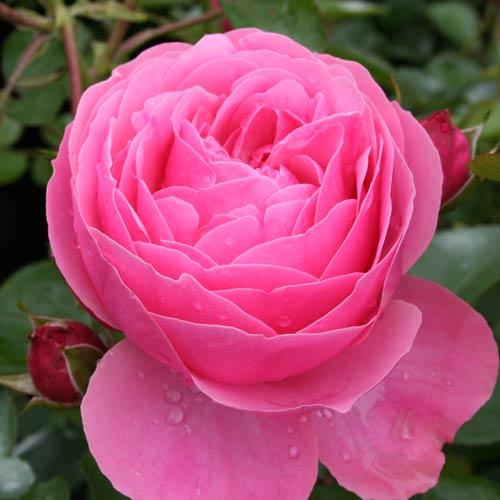
Leonardo da Vinci with its beautiful flowers of hot pink and very healthy foliage; this one is a real winner. At Tony and Lloyd's there are more often than not vases with flowers or plant material. Having finished with flowering, they are enjoying picking the bright orange hips from
Golden Wings which is another recommendation. It also flowers and flowers and if you are a fan of single roses (which I am!) you can't go past this one. It forms a large bush - growing to around 1.5 m or more.
Loving Memory makes the list for pickability and the fact that the blooms are huge, a rich deep red and produced in large numbers. Although it is often bought as a remembrance rose, it has its own merit due to the health, colour and flowering ability. Last but not least, Lloyd loves
Gruss an Aachen for all the reasons many of us love roses: gorgeous flowers, fragrance and versatility to be grown in different situations (e.g. as a hedge or in mass displays).
Lloyd was waxing lyrical about Hybrid Musk roses when I asked him about his favourites too and singled out
Ballerina and
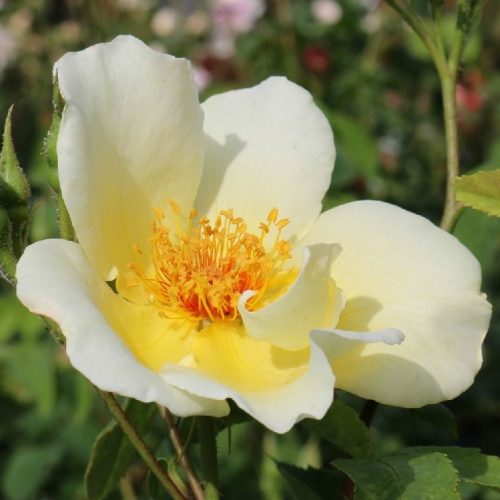
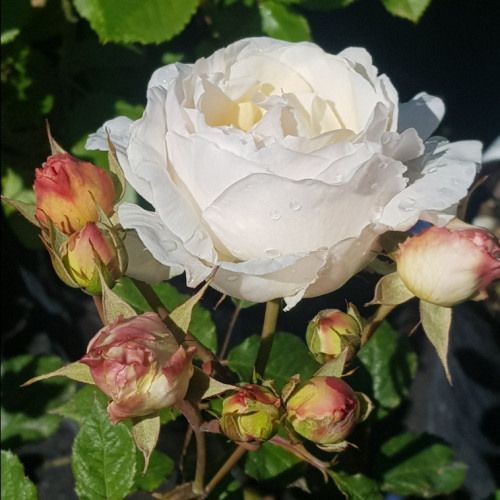
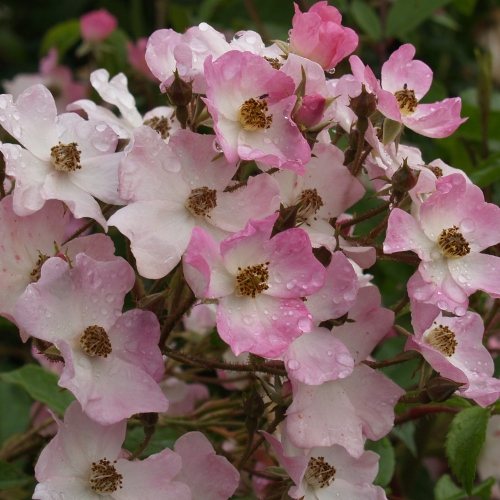
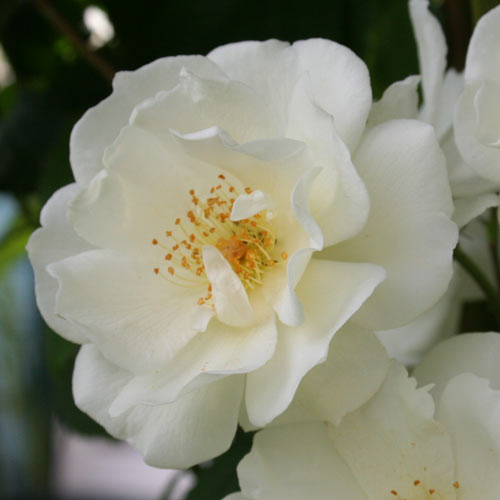
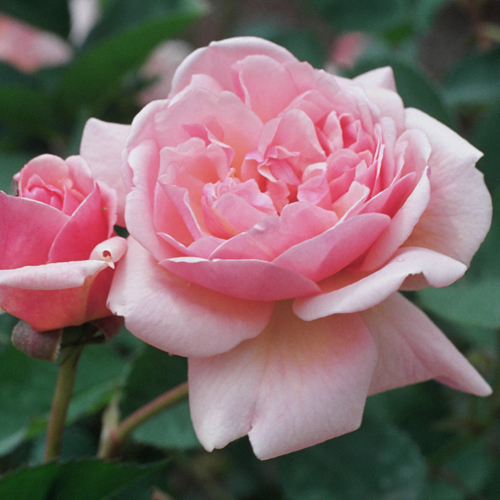
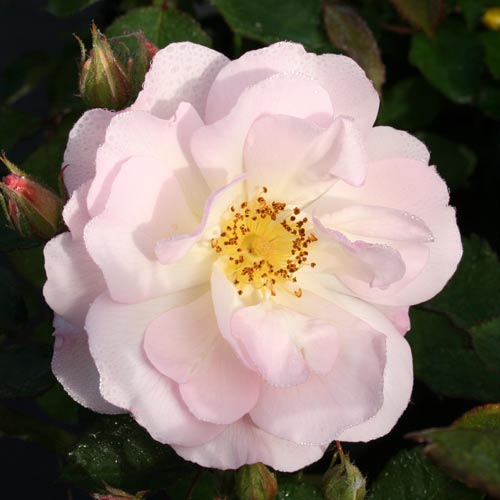
Moonlight as being great examples of this class of roses. The hybrid musk roses were bred in the early 20th Century in England and have been garden stars since then because of their high health and almost continuous repeat flowering. They are usually not too rampant so don't need to be managed by heavy pruning. Lloyd also likes them because they are arching and drape beautifully rather than being stiff and rigid like some modern climbers which need full support against a fence. Ballerina can be grown as a shrub or small climber and never stops flowering. We have other varieties here or arriving soon - check these out:
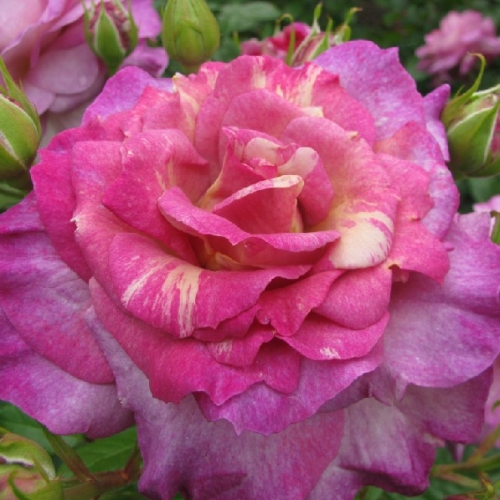
Once you get us started, it hard to stop when it comes to roses - our staff have been lining up to give me their picks so here's a few more in case you need suggestions. Jan loves
Antique Affair - perfect for picking and produces large numbers of stunning colourful roses which are very unusual. Jane mentioned a couple which are her favourites.
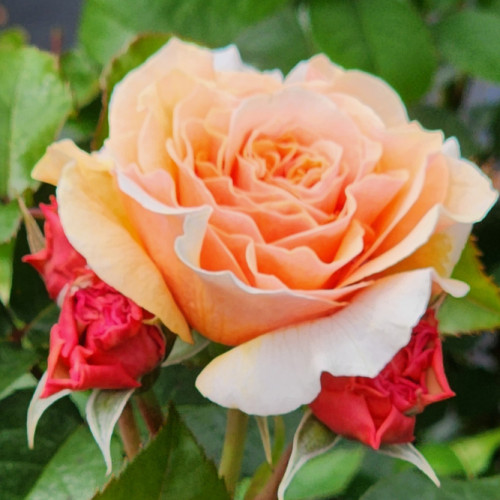
A Gardener's Dream has a lovely fragrance, repeats well and the flowers are a very pretty colour.
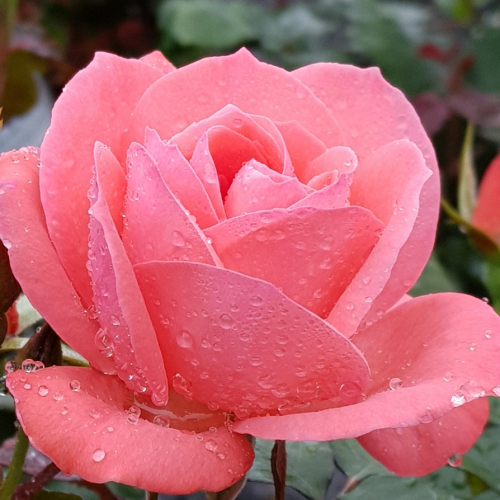
Truly Special has a delicious fragrance and flowers that are beautiful in both colour and form. It looks and smells wonderful in a vase. And a final one from me is
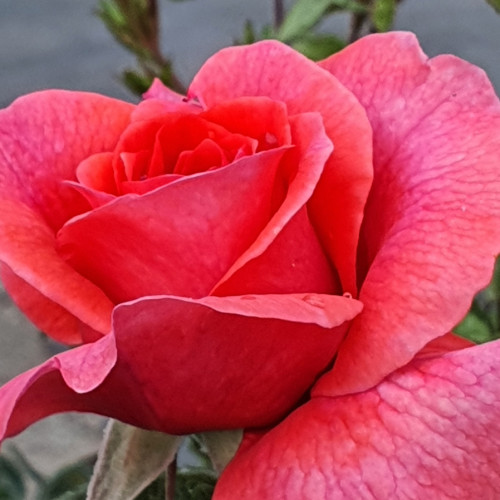
Little Miss Perfect. I had this as a patio standard (45 cm stem) by my front door and the colour is unusual but stunning and the young plant was smothered in flowers which have a neat ripple to the petals. Exquisite.
Shortest Day
Take a deep breath, we are just about at the shortest day - winter solstice on June 21st. This means we are half way through the year and technically on the downhill towards spring...Yay! Although the reality is that the coldest days are yet to come as the lag from our point on the earth turning away from the sun results in seasonal lag. From now on the days will get longer and the nights shorter, so we can look forward to seeing that yellow orb for a teeny bit longer each day. That also signals a great time to plant your
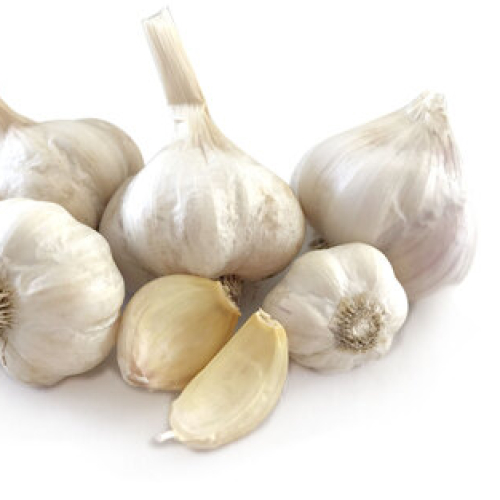
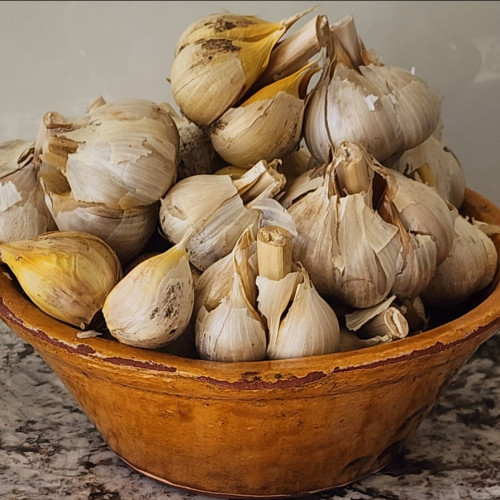
Printanor (garlic) bulbs as they develop into better plants when planted before the day time lengthens out. We have them available in 100, 200 and 500 gram packs depending on your addiction to garlic bread and Italian cooking (well actually most cooking). In ancient Rome they partied hard on the week of the solstice, celebrating Saturn the god of Agriculture in the hope of good times ahead at the harvest.
Fruit Trees on the horizon
Speaking of harvest, our
Deciduous Fruit Trees are just around the corner with some arriving next week and we can look forward to all sorts of delights including
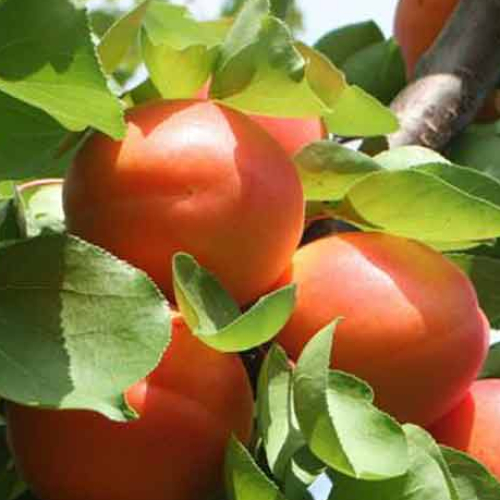
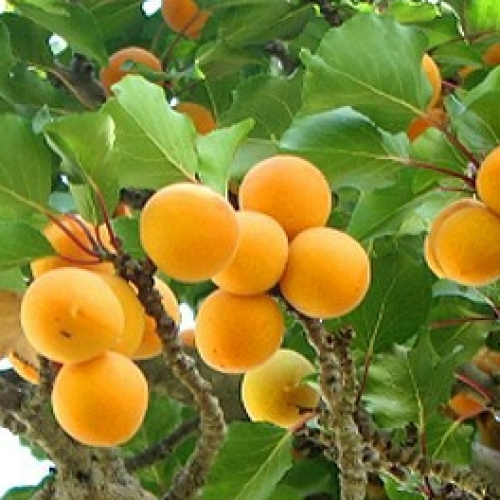
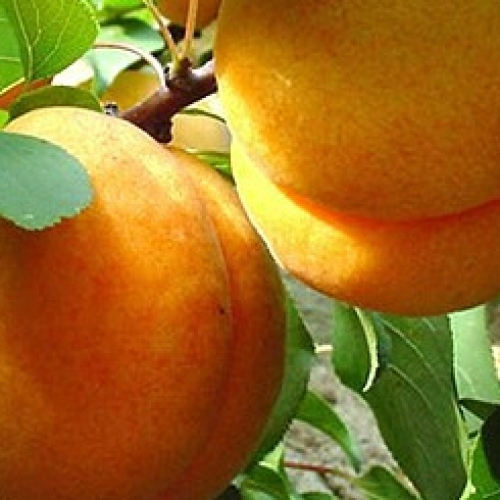
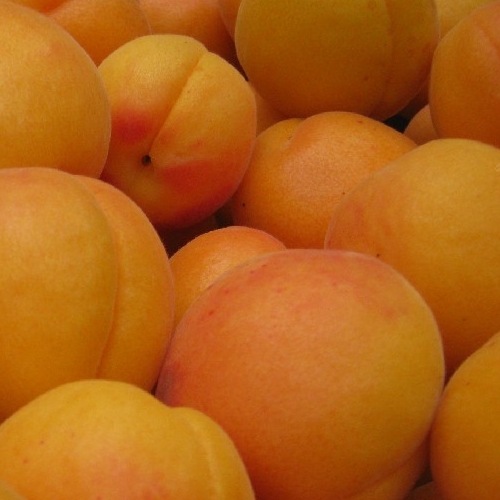
Apricots,
Peaches,
Nectarines and
Cherries. If you are looking for an apricot which will grow well in our warmer climate, check out a couple of our dwarf varieties:
Aprigold Dwarf and
Garden Annie Dwarf. Both of these are self fertile and being dwarf can be grown in even a limited space. If you are after a bigger tree you could plant
Royal Rosa (self fertile) for northern areas or
Sundrop (with a pollinator e.g.
Trevatt) in cooler areas.
Hope you can enjoy the winter solstice somewhere where the sun is shining and you can get planting, if that is your fancy. Regards, Tracy.
Cheers from Lloyd, Tony and the Wairere Team.
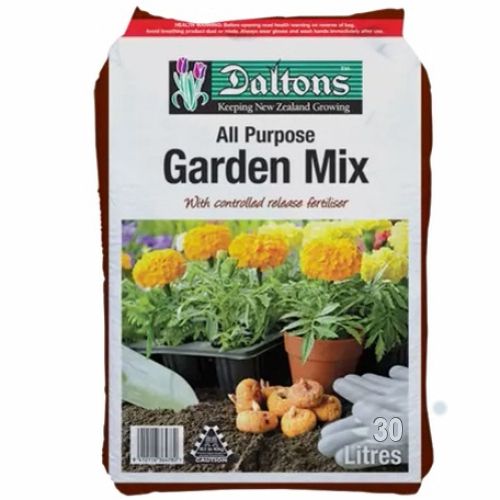
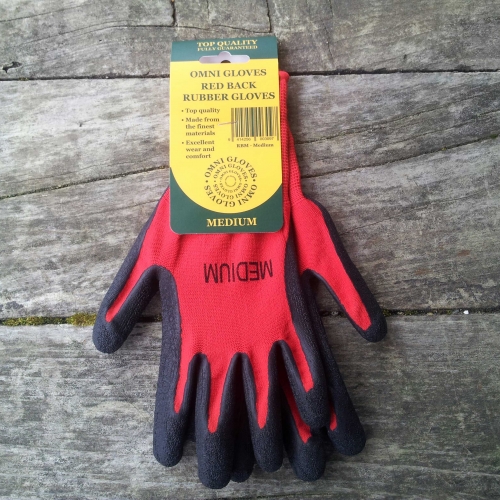
-Bag.jpg?t=1781830684 "Potting Mix 40L (Daltons) Bag")