Saturday 17th October, 2026
Hi
Lloyd is a great one for change. Perhaps he has listened to this Winston Churchill quote: “To improve is to change; to be perfect is to change often”. Anyway he would like to plant some new trees on the eastern side of the nursery and he has been looking at
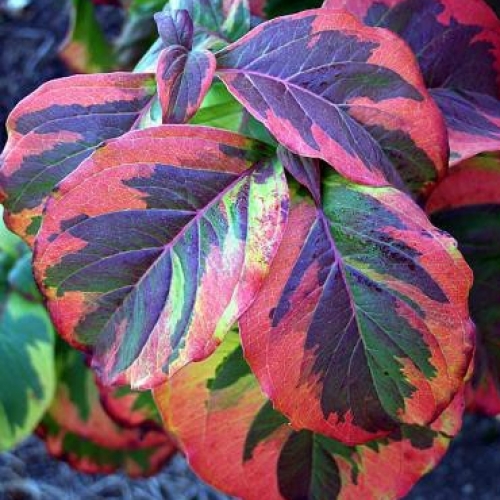
Cornus (Dogwood). He showed me the
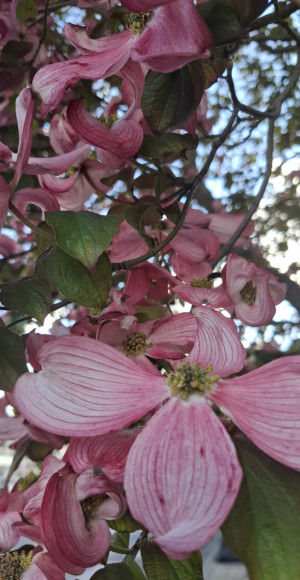
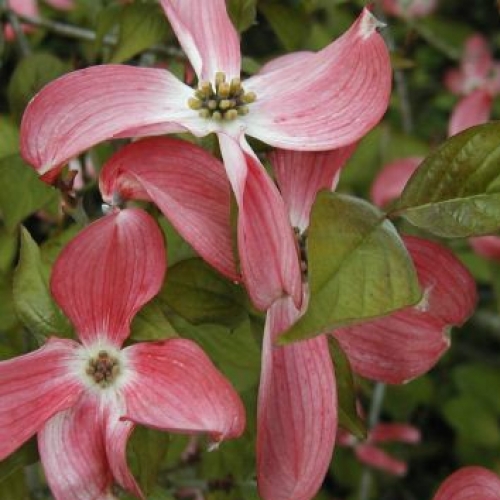
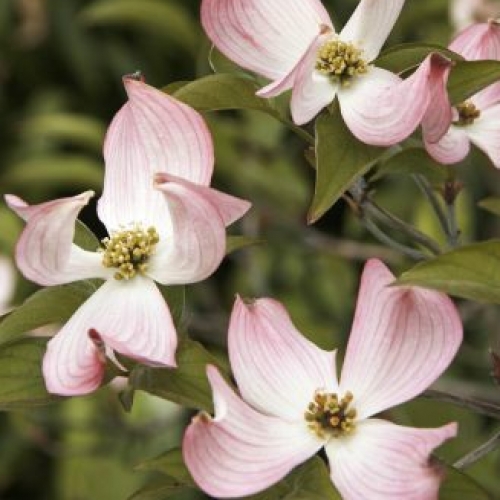
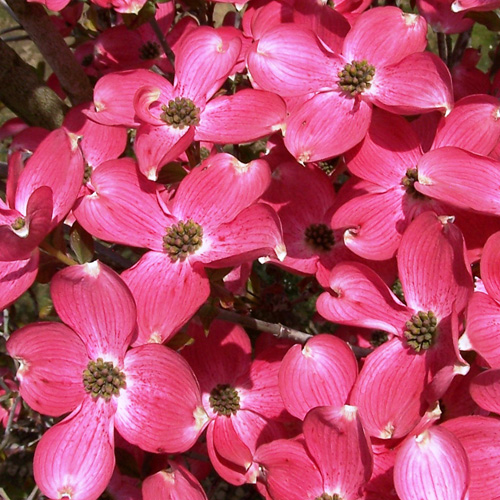
Cornus Rainbow flowering in his garden which is looking lovely - bright white flowers against the variegated leaves which are just emerging. He asked me about the Cornus which are planted up the main street of Morrinsville and whether I know what variety it is. Truth to say I hadn't even noticed them before that point, but now that I looked they are really pretty. We think the cold season this winter has really been a bonus for Cornus as they are looking stunning. Not sure what variety it is but picking it is probably
Spring Song, or
Stokes pink. What do you think?
Cornus flowering in Morrinsville
We get a lot of requests for plant identification at the nursery. Often we can help but it depends to a large extent on the quality of the photo LOL. If it is a flowering plant, then the important bit for identification is the flower. Most members of a particular plant family will have very similar leaves to each other, but their flowers will set them apart. It's almost like its finger print as the flower is unique to that one variety of plant. This is what helped Carl Linnaeus, the famous Swedish botanist, come up with his binomial naming system for plants which we still use today.
Nowadays there are electron microscopes and closer examination of the flower with these can lead to some things being renamed as they discover the flower is different to what the naked eye can discern. Also, we have smartphones, and I have found the most effective tool for plant identification is Google lens (the little camera icon on your google search bar). A close-up is essential for this, and try to capture the detail of the plant i.e. flower, leaf shape and veins and stems. Give it a go - you might be surprised at how accurate it is.
Flowering Cherries
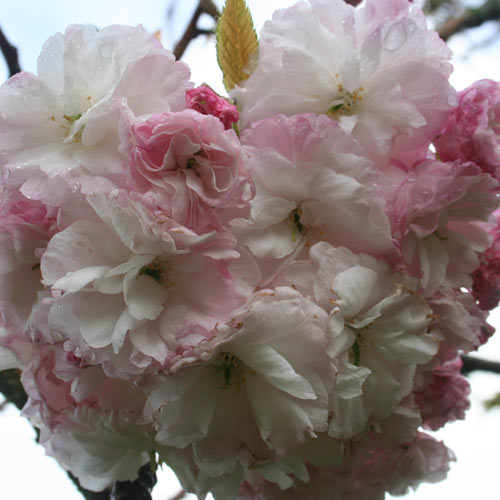
You must have noticed all the pretty
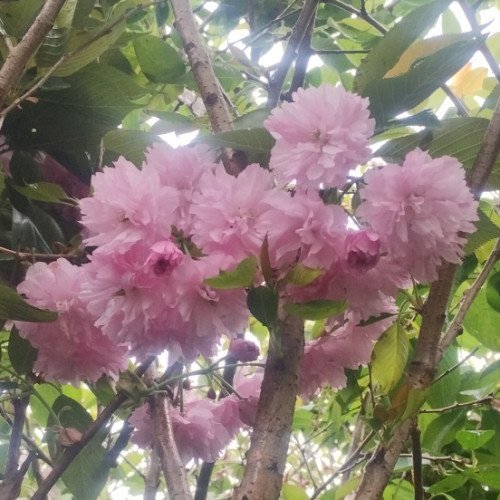
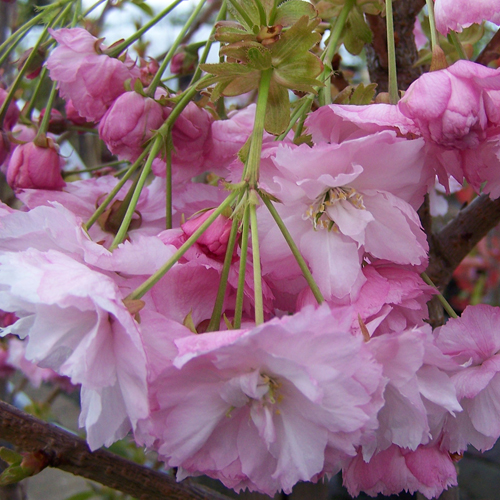
Flowering Cherries (Prunus) which are out around the town and the later-flowering varieties are certainly show stoppers. There are a lot of double flowering pink out at the moment and if you want to know the difference between them check out these pictures taken from our plants this week. They vary in habit too (the shape they grow). For example
Shimidsu Sakura has a slightly pendulous habit so the pretty flowers dangle right down where you can see them easily. This one grows about 4m high by 5m wide eventually so great for a driveway.
Shirofugen also has a slightly weeping habit and the flowers start out mostly white and age to pink. Shirofugen grows 5 x 5 metres.
Kanzan is more upright and not so spreading with fully double rich pink flowers. She gets to 6m high and 4m wide.
Pink perfection is a cross between Kanzan and Shimidsu Sakura so has an upright growth with those gorgeous subtle pink and white flowers, 6 x 4m.
Hosta
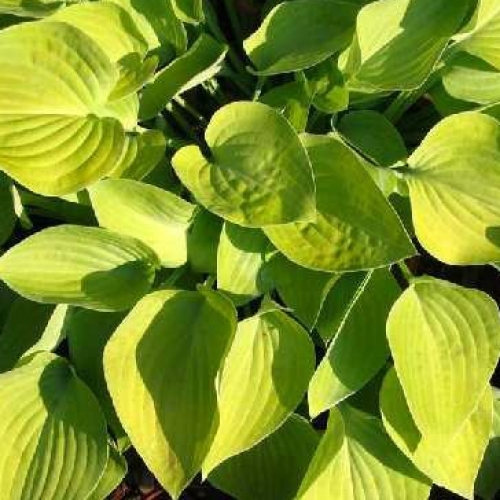
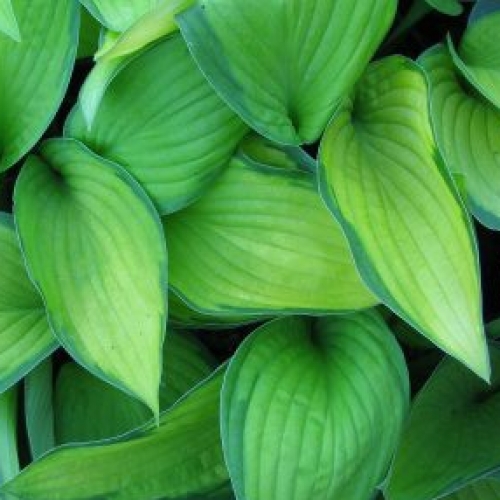
On centre stage this week are the
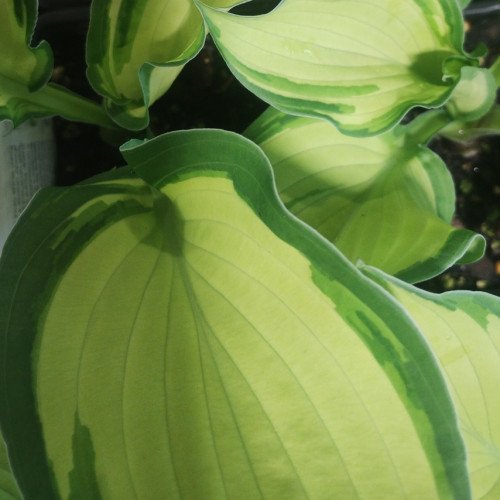
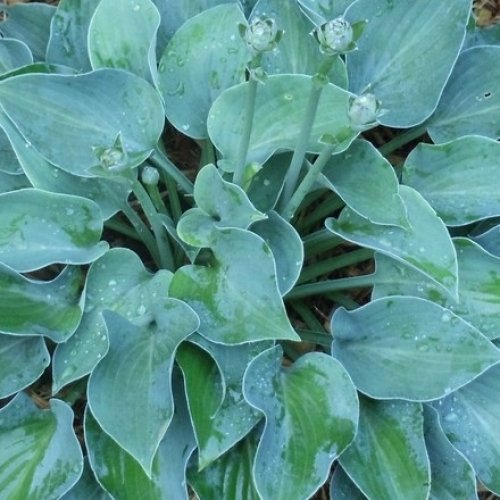
Hostas. I feel like there should be some sort of fanfare of trumpets about now as hostas emerging from the ground are a great way to tell spring is really here. Completely dormant, they erupt from the ground in September/October to share their leafy goodness with us all summer. Adding texture, colour and unique form to a shady spot they are perfect for underplanting trees and borders. We have a multibuy on the small ones so perfect for mass planting $12.99 each or $12 each when you buy more than six. With more than 30 varieties just arrived, there are plenty of options from which to choose.
Rhododendrons
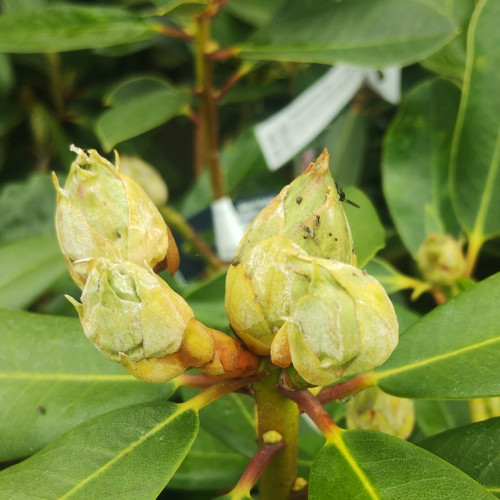
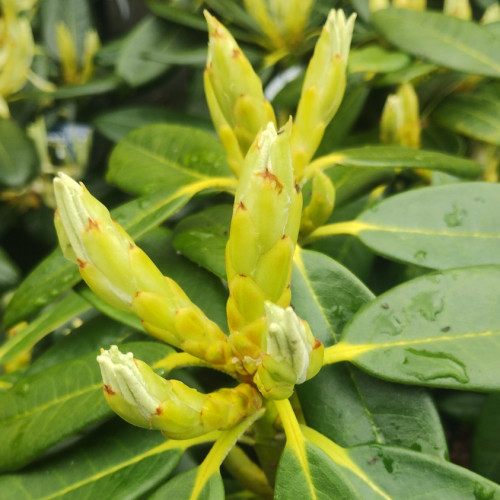
Flower bud or leaf bud: how can you tell? When you buy or acquire a
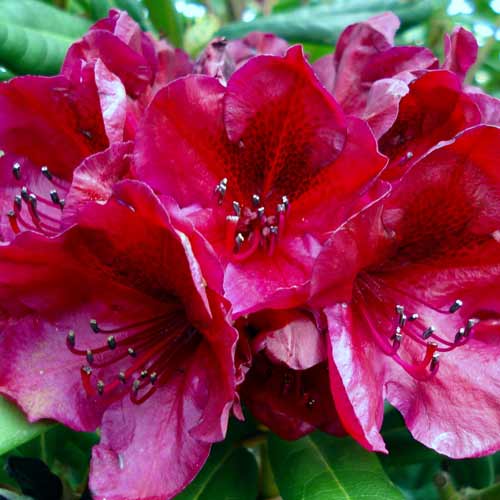
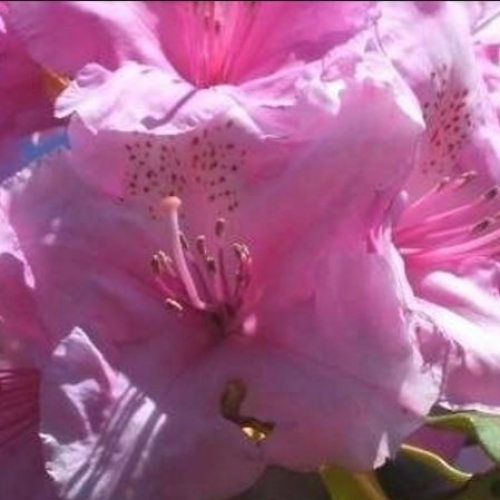
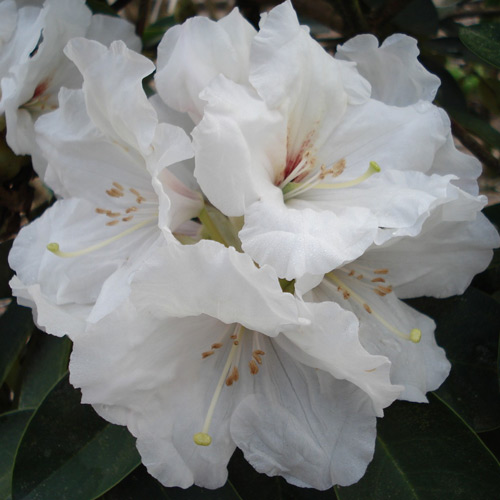
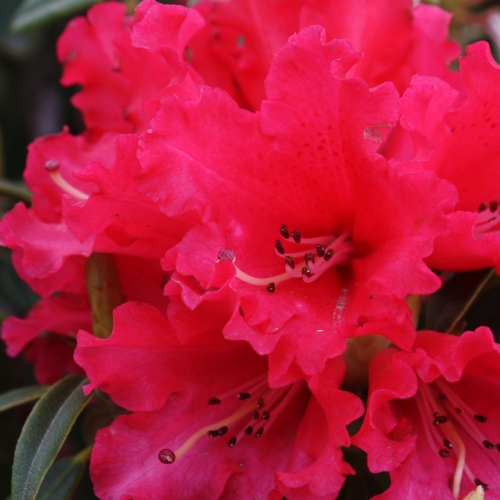
Rhododendron plant the first thing you want to know is "will it flower this year?". The way to tell is the shape of the buds which form. Get excited if you see plump rounded buds but don't blame me if they are longer and pointy - these are leaf buds so you will have to wait until next year for flowers. Young plants can take some time to produce a good display of flowers so be patient and know that energy is being used to produce a stronger plant. Regular applications of a fertiliser with potash, as well as nitrogen and phosphorus, will give your plant balanced growth and flowers in the future.
Rhododendron: Flower bud (top) vs Leaf bud (bottom)
Hydrangea family
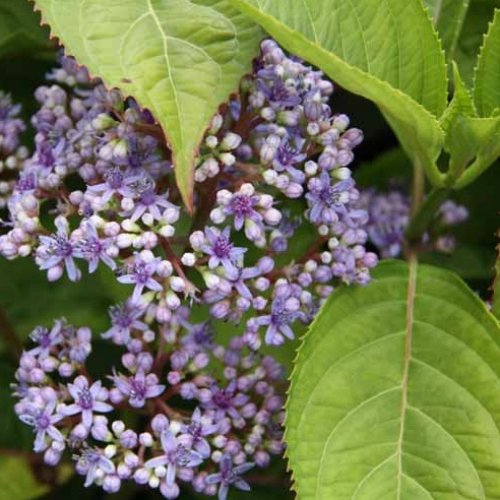
On my windowsill at home I have some cuttings of
Dichroa versicolour which I am hoping to grow for my garden. These gorgeous blue-flowering shrubs are in the hydrangea family (Hydrangeaceae) but are evergreen. Dichroa originate in eastern and south-eastern Asia and can be found near the Himalayas, in China, Nepal, Vietnam, and Indonesia. They prefer partial shade but can grow in full sun and apparently are hardy to -5. However, personally I would probably have them tucked under trees or protected a bit from the really severe frosts we can get here. They have a similar leaf to the hydrangea and can also produce a fleshy shiny blue/purple fruit after flowering, growing between 1 and 3 metres tall. Some species were used for Chinese medicine to control fever and malaria.
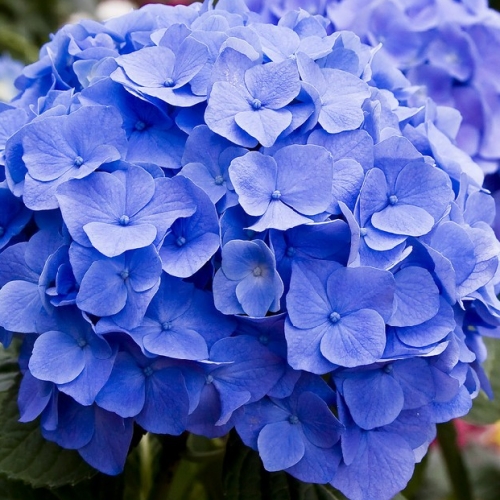
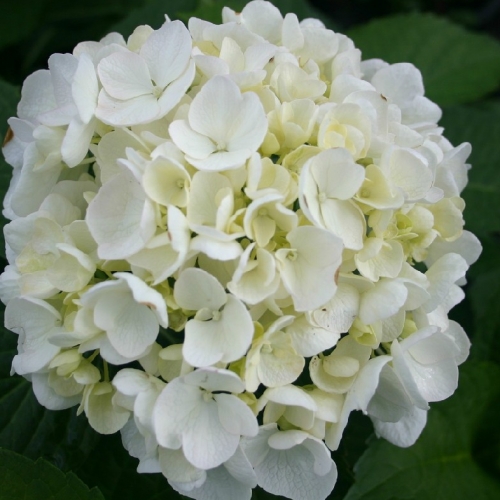
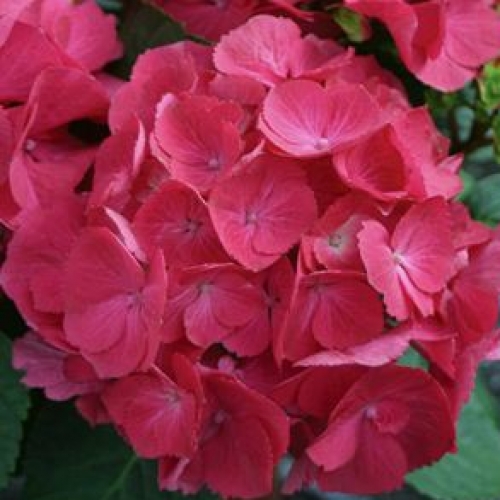
Their cousins the
Hydrangeas are coming into their own now with the first flower florets appearing on some of our plants. Hydrangeas are such great garden shrubs as they add height and flower over a long period. We have a large range of colours at present including Blue, White and Pink flowering forms. The flowering will be influenced by the soil pH, so add aluminium sulphate if you want to intensify the blue, or lime if you want more pink. You will need to apply it several times over the season and be patient - it's not an overnight change.
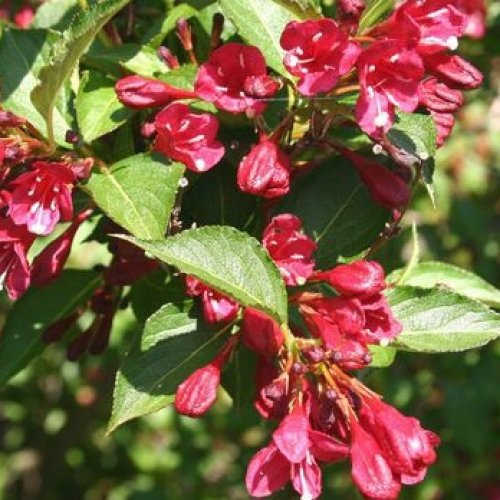
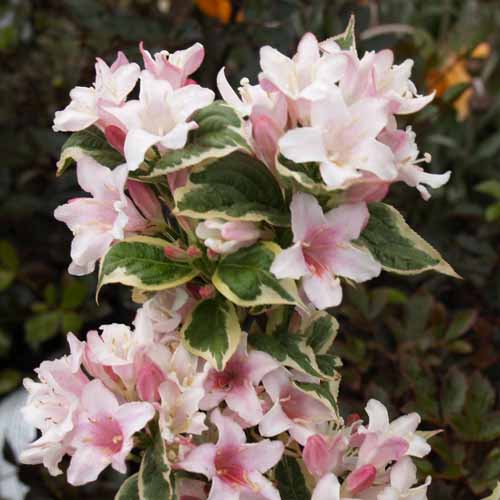
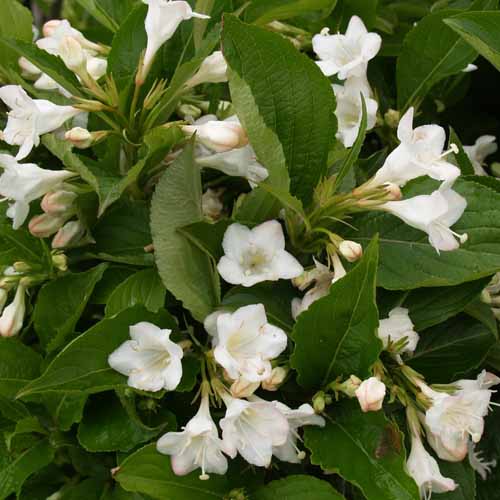
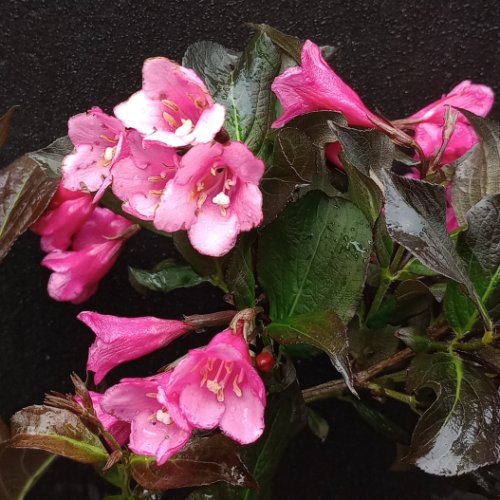
Weigela
These underrated shrubs were named after a German botanist (Christian von Weigel) but they are native to eastern Asia. They are hummingbird-friendly, with their funnel shaped flowers, which speaks to their origins in more tropical climates. The great thing about these guys, and here's a new word for you, is that they are "remontant" which means that although they put on their best display in spring they are also sporadic bloomers through summer and autumn (from the French word remonter - to rise again!). Even though they have "florida" as their species name, they are not from that area. That name actually comes from the Latin word "Floridus" for "flowery or blooming". For making a striking display with flowers and foliage colour they do a great job. Grow them mid to back of border as the big ones can get a couple of metres tall.
Kumara slips arrive next week but are in high demand. Add to your waitlist for your best chance to get some. They are $22.99 for 25 plants and will only be available for 2 weeks. Kumara love the sun and thrive in free draining soil with plenty of organic matter. Mound up the ground to plant and make sure that they don't re-root as they trail over the ground - this concentrates the growth in one area. Plant straight away and keep moist while they are "taking". Be sure to remove competing weeds.
Have an excellent weekend; the ground is better for planting with the lovely rain we have had this week. Regards, Tracy.
Cheers from Lloyd, Tony and the Wairere team.
Last 25 Newsletters...