Saturday 28th November, 2026
Hi
When it comes to life on earth, we are definitely the new kids on the block. From a scientific point of view, if we represented the time since the Earth formed as a 24-hour day, then insects and plants would have appeared around 9.30 pm while humans (Homo sapiens) would have only showed up at 6 seconds to midnight. When it comes to an arm wrestle between us and the creepy crawlies which are on our plants, sometimes we are going to lose because it's not their first rodeo: they have survived much worse.
An alternative plan to trying to nuke the heck out of the bugs is to consider what you can do to make your plant healthier. At this time of year mulch can really help with this. A nice thick layer of organic matter (compost, bark, wood mulch) can lessen your water bill, reduce your weeds and most importantly, strengthen your plants. Healthy strong plants are less likely to be attacked by insects. If they are attacked, then they should be better able to withstand it.
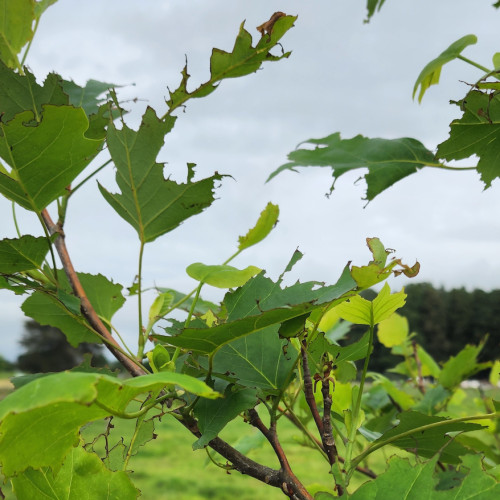
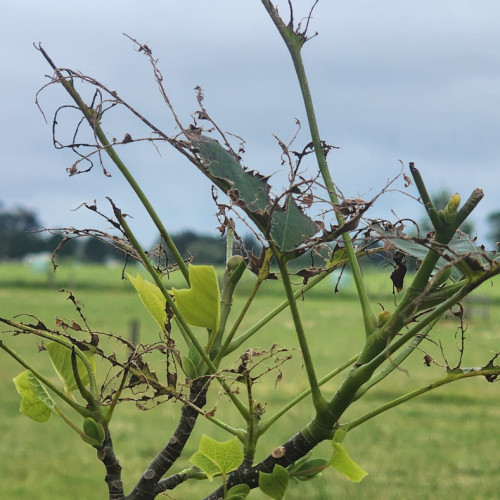
We have had a string of people in the garden centre asking about how to save their plants after an attack of grass grub beetle. This little brown beetle hatches in late spring to summer and usually emerges at dusk in swarms which descend on and strip your trees. They often leave only the middle of the leaf or you will see massive damage across the whole tree, particularly at the tips. The beetle's lifespan is 2-3 weeks so if you can weather the storm its extremely likely that your plant will bounce back and replace its decimated leaves. In fact there is not a lot you can do to treat the problem because by the time you notice, the damage is done, and the beetles have moved on and any amount of spraying will make little or no difference. Beetles 1: Humans 0.
The only effective way to combat the beetle is when it is in the larva stage, after the beetle lays its eggs in the soil and the grubs are near the surface. You can treat the soil in your lawn with a chemical which will kill them off as they feed on grass roots over summer. But, to be honest, it's likely to be the case that the origin of your beetles is your neighbour's paddock or the paddock down the road, in which case you really just have to grin and bear it. Here are some pictures of Lloyd's Liriodendrons which have taken a hit.
Foliage damaged by Grass grub beetles
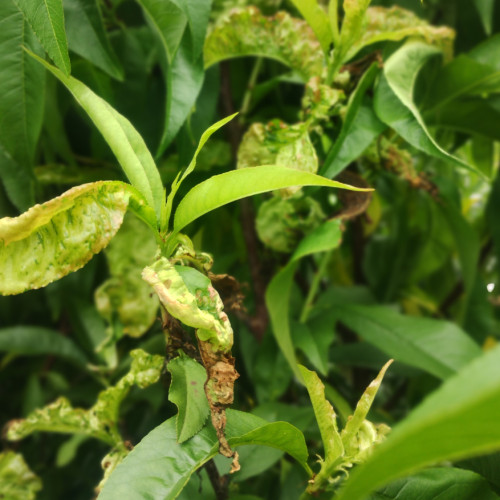
Another challenge in the Waikato region, which is likely a source of many comments on local Facebook Gardening groups at present, is curly leaf on your stone fruit (particularly peaches and nectarines). There are all sorts of possible treatments including Copper spray, Comfrey and even myths such as nailing copper nails into the bark (this one is codswallop). I'm afraid that whatever you do, nature is going to win on this one. Humid climate 1: Humans 0. In actual fact it probably won't affect the trees productive ability so you will just have to "suck it up buttercup". In the words of one of our staff, "If I had the chance to start again with my food forest, I would plant a citrus not a peach". Wise words.
Typical symptoms of leaf curl on stone fruit in a humid climate
Citrus
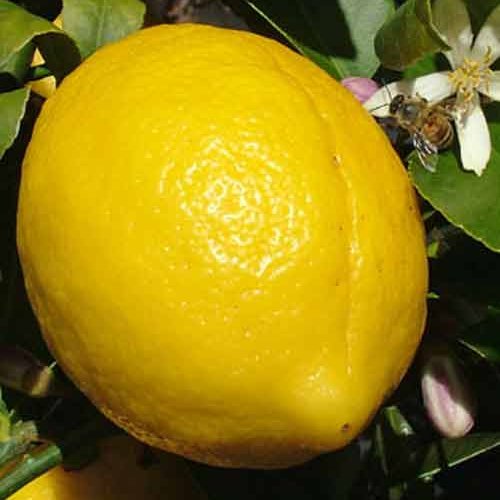
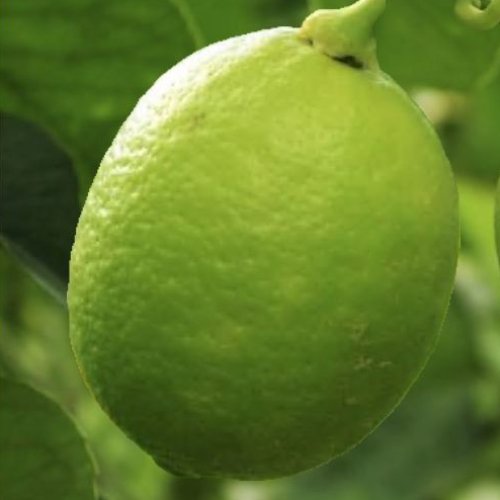
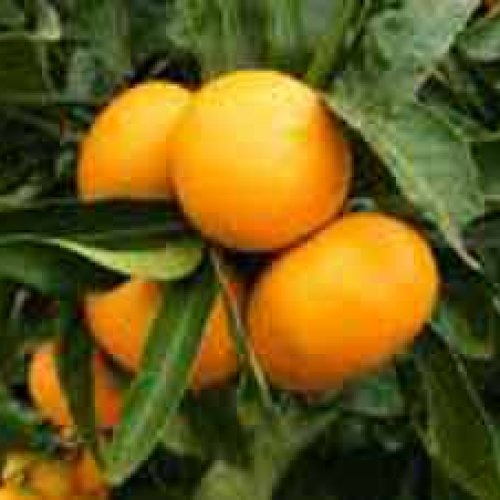
Citrus are great in a temperate climate like ours because they love the heat, and if you can save them from the worst of the frost for their first couple of years, they will be away laughing. There are not a lot of problems experienced by citrus which can't be controlled with a simple copper spray and a regular fertiliser programme. Citrus scab or Verrucosis, which looks like warty lumps on the skin of the fruit, can be controlled with fungicide spray and pruning to allow air movement through your tree. A mature citrus (1.5-2 m tall) will benefit from a regular application of granular citrus fertiliser to replace the nutrients lost when you harvest the fruit. Make sure you water in well.
Cornus/Dogwood
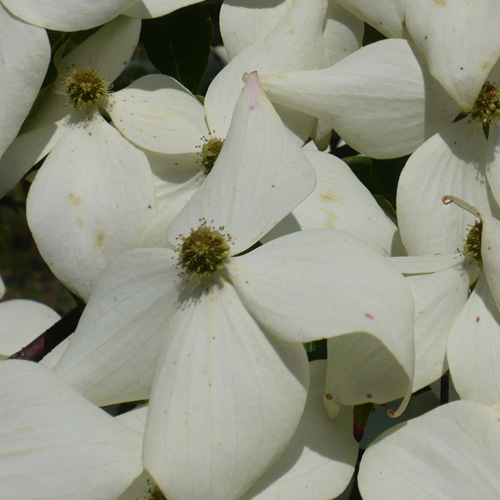
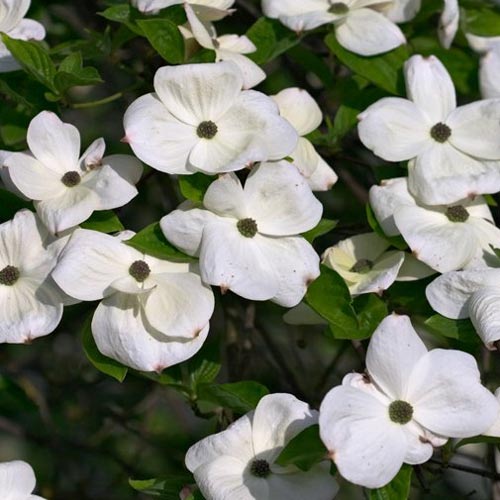
Lots of people are admiring our beautiful
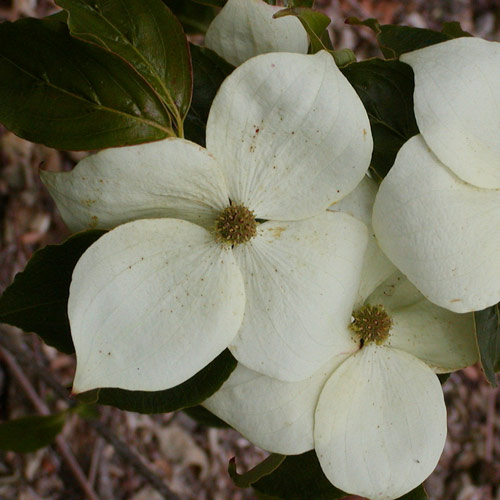
Cornus National on the road front at the moment. The stunning white flowers make a classy display on the fully grown plants which stand behind the holly hedge when you are on the inside of the garden centre. We also have been treated to the first flowers on our
Cornus Greenvale which we planted last year to replace the
Flowering Cherries on what we call "the Avenue" of the Garden Centre. If you use your imagination you can see what they might look like in 5 or 10 years, when they should be providing shade to our shade-loving
Azaleas,
Rhododendrons and
Camellias.
We have sold out of quite a few
Cornus (Dogwood) varieties, as well as a number of other deciduous trees, but we will be getting more in July next year. Cornus come in many forms including the clump forming
Cornus siberica alba (red barked dogwood) and
Cornus Stolonifera Flaviramea (green bark dogwood). These are grown more for the bright colour of the new bark than for their the flowers or leaves. Pruning in late winter or early spring will encourage fresh new stems (with the bright bark) to spring up each year. Depending on how you want it to look in your garden, you may choose to cut it back hard each year or adopt the 1/3 each year approach, which will retain more of a bushy shape in your garden throughout the year. Both of these muti-stemmed Cornus thrive in wet or slightly boggy conditions and you will get the best colour in full sun, although they will grow in partial shade. They make a neat display next to a pond or riverbank.
Rural hedges
I recently spoke to a customer about a large hedge which she wanted to put in to block the view of a rural shed. She was asking for Macrocarpa. She could probably tell from my scream of terror and loud exclaim of "NOOOOO!!" that I thought this was a bad idea. For more information about this,
here is a good article about the problem with Macrocarpa in our humid climate. Alternatively I usually suggest
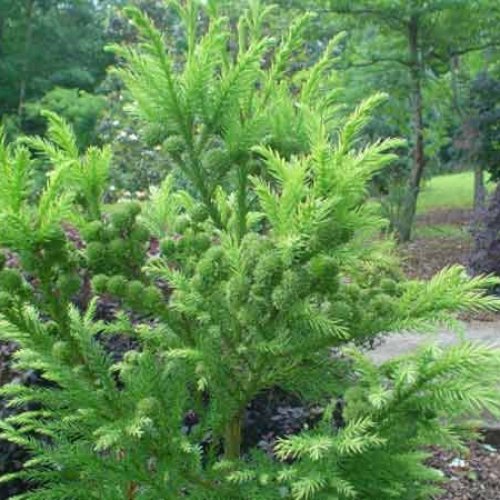
Cryptomeria japonica and
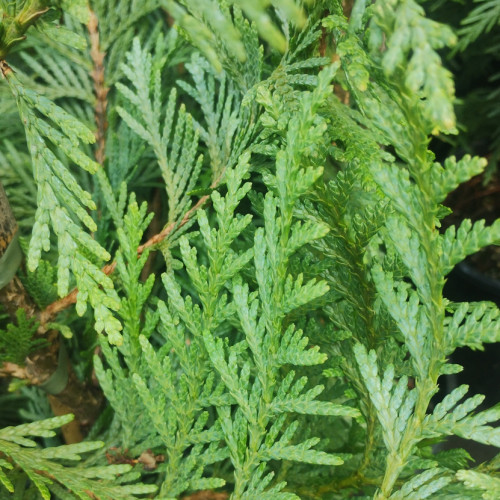
Thuja Green Giant. Both of these form large quick-growing hedges and become very dense when trimmed regularly. Another option is
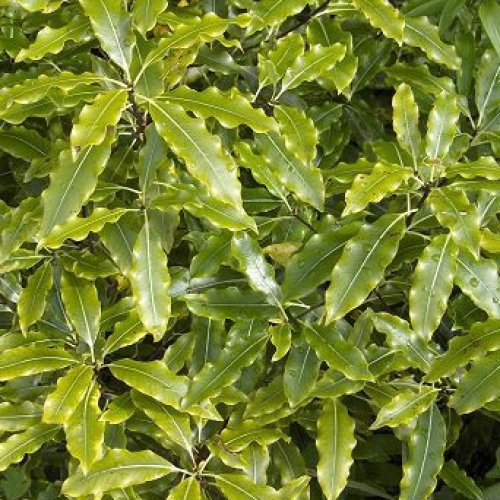
Lemonwood (Pittosporum Eugenioides), a pretty much bullet-proof native which can grow in all but the wettest situations. If you are open to deciduous hedging, you could even consider
Hornbeams (Carpinus betulus). Other Conifers which grow well here are
Thuja Smaragd and
Thuja Pyramidalis which are suitable for accent plants or to line a driveway.
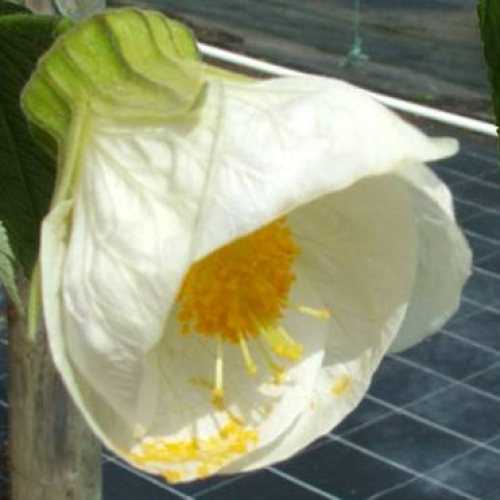
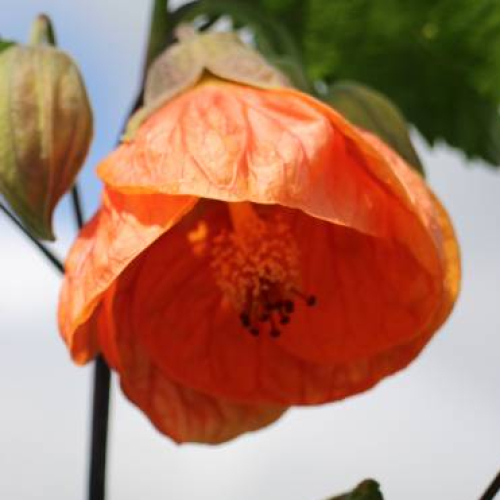
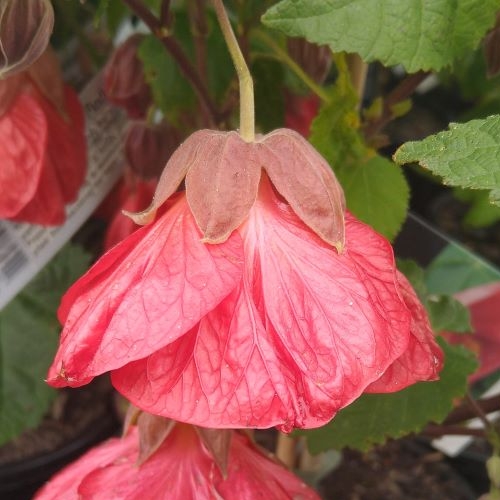
Abutilon/Chinese Lantern
Abutilon or Chinese lantern is growing in my new garden and I am warming up to what I initially considered a bit of a weed. It's pretty red lanterns cover the plant and make a nice background for my perennial border. Easy to grow and tolerant of sun or shade, these guys will grow anywhere. Prune back after flowering to encourage fresh new growth and more flowers.
Groundcovers
If you want to make your life easier over summer, then
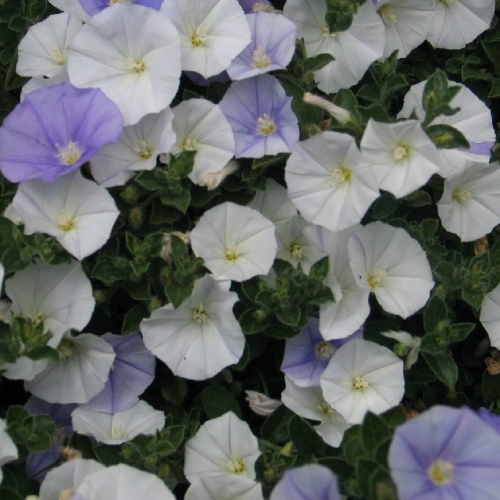
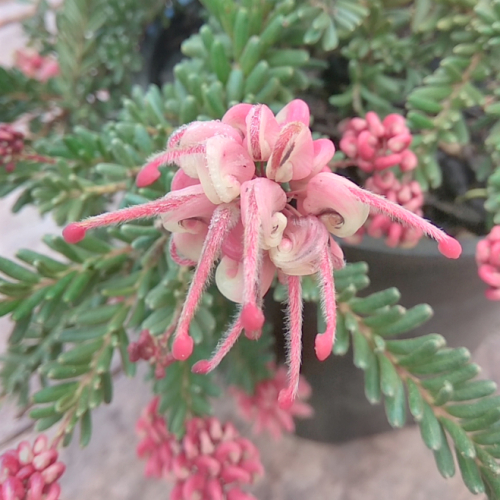
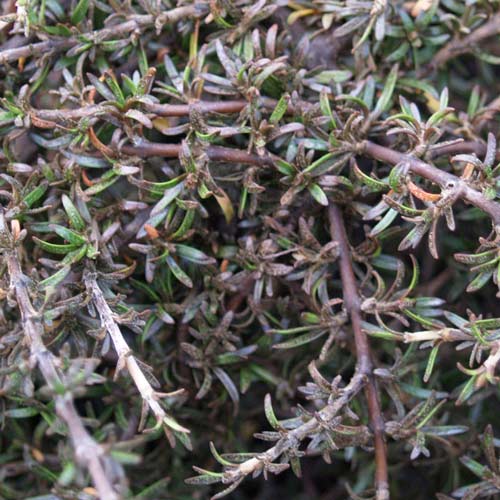
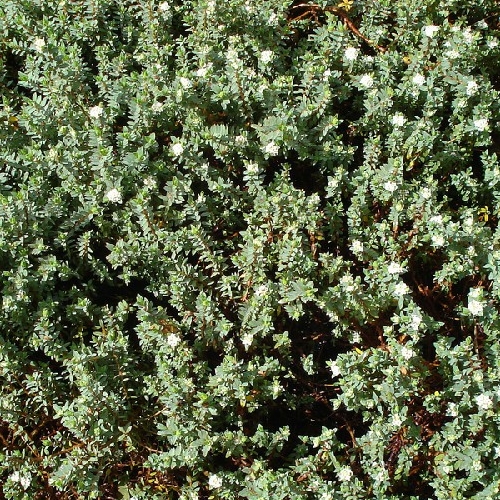
Groundcovers could be your new (or old) friend. Using a mulch, or planting so the soil is covered to prevent weed seeds from germinating, reduces the work for summer-loving gardeners. A dense groundcover will prevent the light reaching the seeds and shade the young weed plants to reduce their vigour. Some suitable groundcovers which will grow in full sun and spread well to help you out are pictured below:
Rose Sale
We continue to sell lots of fabulous
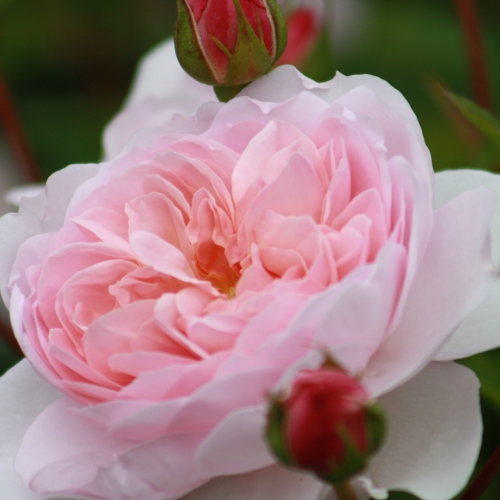
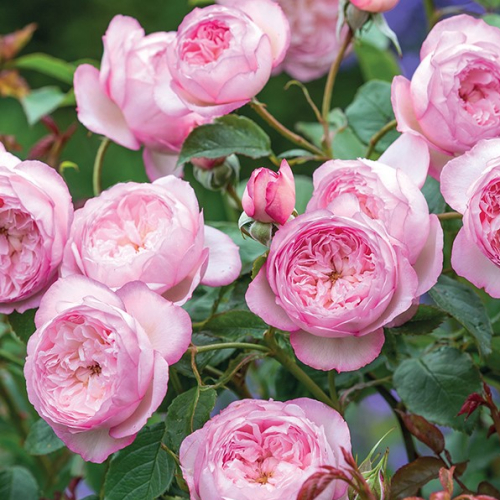
Roses every day in our sale. The staff have been working hard to deadhead and space them so they look their best when they go out. The key to growing great roses is plenty of sun and good air circulation. By pruning to an outward facing bud you encourage an open vase-like shape which allows sun and air into the centre. Fungal disease are one of the most common problems associated with roses in the upper north island and prevention is better than cure, as always. Removing spent flowers quickly allows the plant to put its energy into producing a new bud - cut back to a well formed 5 leaflet about 5-10 mm at an angle of 45 degrees so any rain or moisture runs away from the bud. Plenty of fabulous varieties to choose from - come and see/smell them this weekend.
Have a great weekend. Regards, Tracy.
Cheers from Lloyd, Tony and the Wairere team.
2019 Newsletters...