Saturday 18th April, 2026
Hi
We weathered the storm
Here in the Waikato, specifically Gordonton, we got off pretty lightly with the passing of Tropical Cyclone Vaianu. We did experience strong winds and lots of rain here at the nursery, but nothing that a couple of leaf blowers and some rakes couldn't sort out pretty quickly. Scary to witness the power of nature in full flight, but also amazing how little damage was done i.e. most plants and trees are well adapted to cope with weather extremes. Sometimes though, the damage of a cracked branch or stem won't show up until later; so keep an eye on your plants in the meantime. Our thoughts are with the people who experienced the full wrath of the wind and rain. The good news for us is that with all that rain, the ground is primed for planting. With the weather set to stay warm for the next little while, it's a perfect chance to get stuck into those planting projects you have been itching to do.
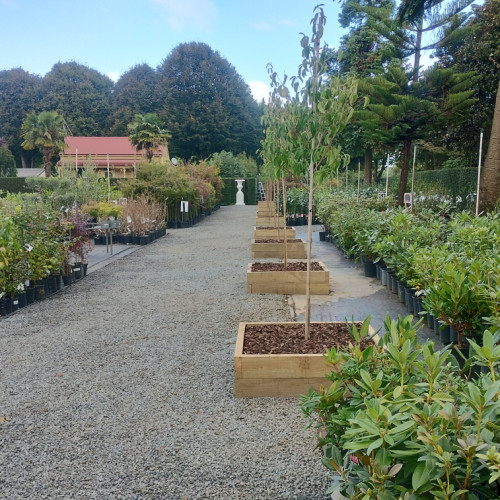
Exciting times at the nursery as the staff have been working hard on getting our new
Cornus Greenvale ready for their new home. They have dug into the clay, sand soil and stones and made some new beds for these beauties to settle into. I hope you will enjoy watching them grow.
Camellias
In case you hadn't noticed, it's
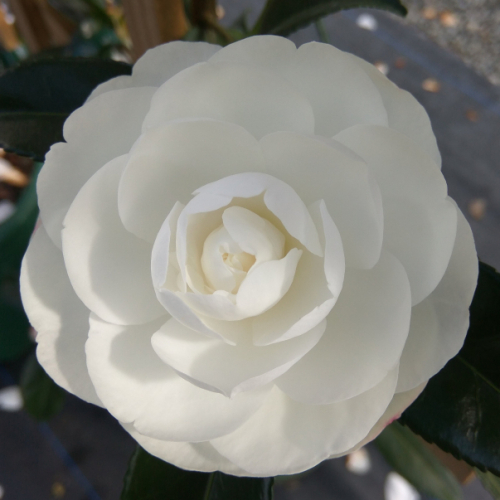
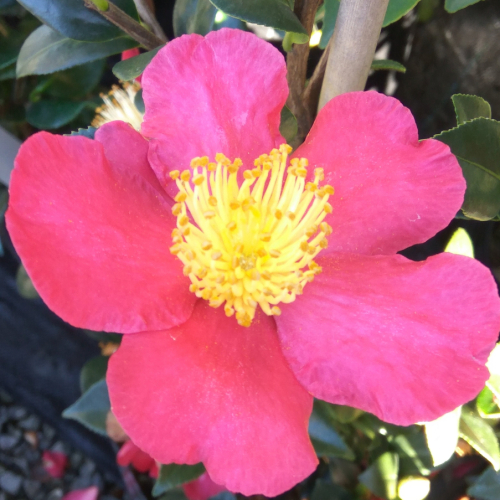
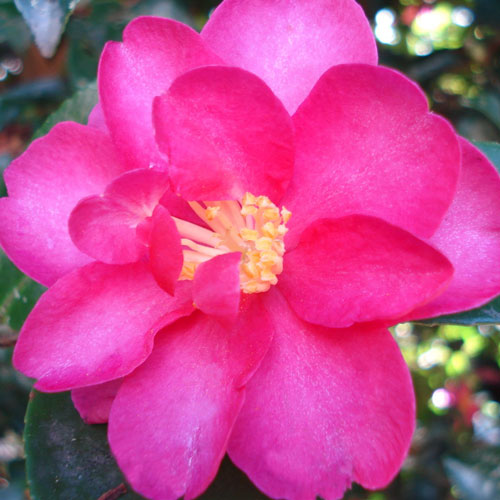
Camellia season (well the start of it anyway) because the early flowering
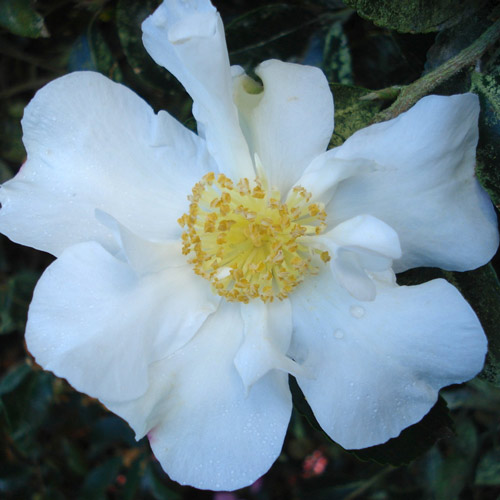
Sasanqua varieties are out in force. You will probably see a hedge of
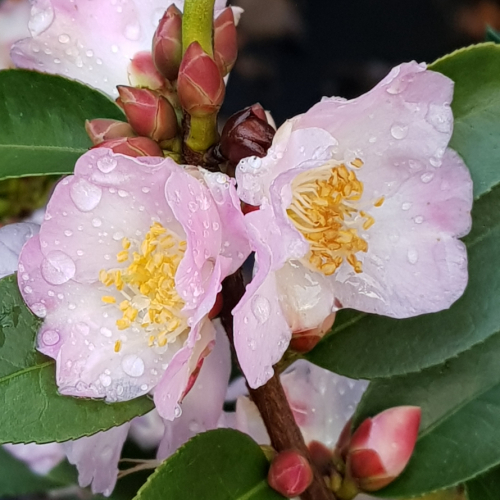
Setsugekka (white with yellow centre made up of stamens) or
Early Pearly (white with a tiny touch of pink) or
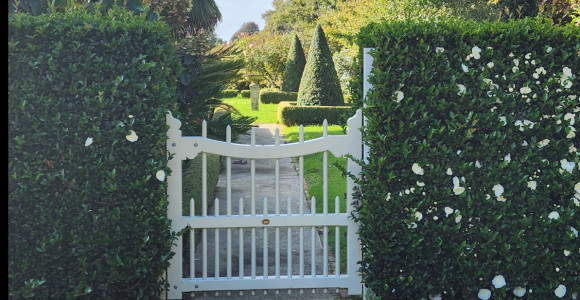
Mine No Yuki (pure white) somewhere in your neighbourhood. The reason they are so common is that they grow well in New Zealand and at a good speed so that you only have to prune once a year, generally when they have finished flowering, but they don't take forever to establish either.
Hedge of Mine No Yuki
The most widely grown variety of
Camellia is not even one which is grown for the flowers!
Camellia sinensis, or the common tea plant, takes up about 4.7 million hectares world wide. Our neighbours down the road at Zealong have the only organic tea plantation in New Zealand, apparently because tea loves the foggy weather for which the Waikato is famous. The climate here mimics the high mountain areas in Asia where there is a big difference in temperature between morning, noon and night. Their 1.2 million plants take up about 48 hectares, so just imagine how many tea plants there are growing world wide!
When European explorers first visited the orient and discovered the delights of tea, which they bought back to Europe in the early 1600s, it was an expensive but popular item. By the 1770s Americans settlers were drinking about 1.2 million pounds per year and rather than pay a tax on it to the British, they started smuggling tea using Dutch and other European companies. The British East India company wanted to charge early American settlers for tea as the crown thought private companies were a way to raise money for their expensive wars. Some say the events of the Boston Tea Party, where American citizens dumped 340 chests of tea into the harbour as a protest, lead eventually to the American war of independence as Britain responded to the escalating tension by imposing strict rules in America. So in a way, this plant was responsible for the American War of independence. Who says plants don't matter!
But let's talk about the flowers, because that's what most home gardeners want to know about. In Japan the camellia plant is known as Tsubaki and it has been a sacred plant in Japanese culture for many years. It is found planted in temple gardens, cemeteries and other religious places because it is a Shinto belief that the gods made the flowers their homes when they visited earth. Whatever your beliefs, they certainly make a stunning show and we have a great selection of popular hedging varieties which are a perfect mix of deep green leaves and pretty autumn colour (flowers). The
Sasanqua varieties are particularly suitable for hedging as they are compact and have smaller leaves than the japonica form, making them ideal to trim closely for a lovely crisp edge.
If red and white aren't your thing, then we have some other early flowering varieties which are hybrids or a mixture of sasanqua and a species. Examples include
Fairy Blush,
Jennifer Susan,
Cinnamon Cindy and
Hiryu. These generally have small flowers but flower for a long time and make a lovely dense hedge. There is also
Paradise series which includes
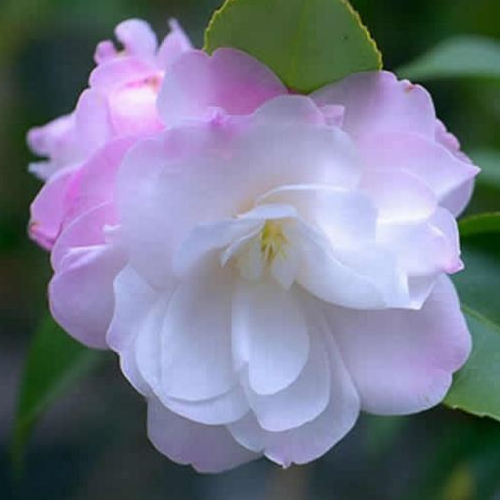
Paradise Blush (dark pink buds open to white with a touch of pink on the tips and reverse of the petals),
Paradise Helen (pure white) and
Paradise Vanessa (white with pink edge). These new breeds of sasanqua are extremely long flowering and are more hardy than early varieties.
For those looking for a stand-alone shrub or something special, there are heaps to choose from. There are a range of weeping varieties which look great in a pot or planted where you can enjoy the cascading effect of the foliage e.g.
Rosaeflora Cascade,
Tsaii or
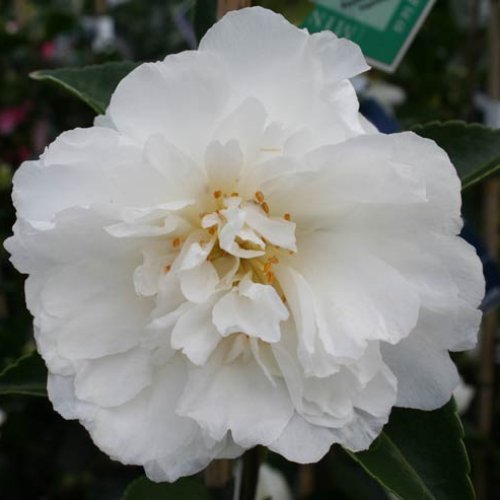
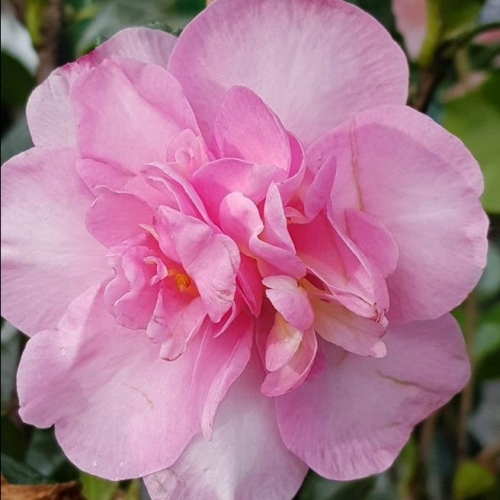
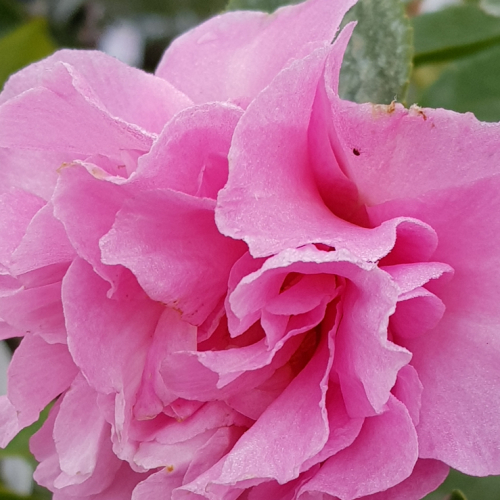
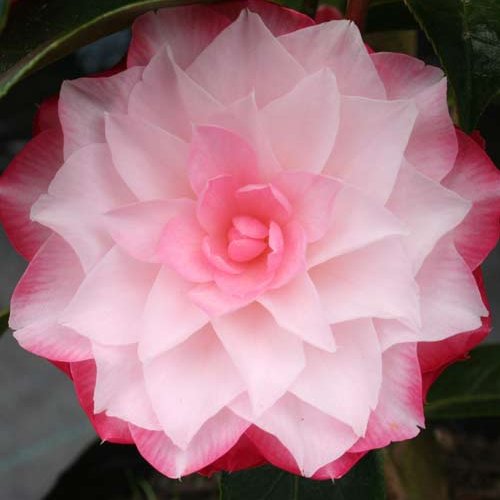
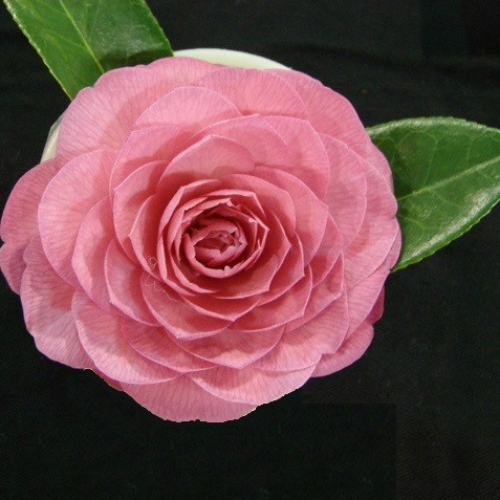
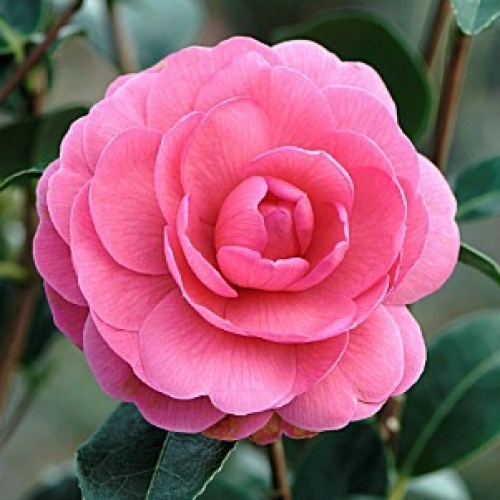
Marge Miller. There are also some with very formal double flowers which resemble a rose and are the closest thing I have seen to a perfect flower form. Examples include
Red Red Rose,
Buttons n Bows,
Sunsong,
Tamzin Coull. These are the drop dead gorgeous ones which are worth floating in a bowl of water for your guests to enjoy. Here's an article about how to create a wonderful display for your
home.
Planting time
Recently I had an inquiry from someone setting up a rain garden. This is, basically, planting out a runoff area from a driveway that is designed to filter nutrients, chemicals and sediments to stop them getting into the stormwater system. These are commonly found when new houses are being built these days as a way to limit contamination of waterways. The consultants who installed the stormwater recommend planting in early spring (September to October) or early autumn (from March) when water temperatures are warm, and plants are growing vigorously. Suitable plants include those which are natives and can cope with irregular water, but don't mind wet feet.
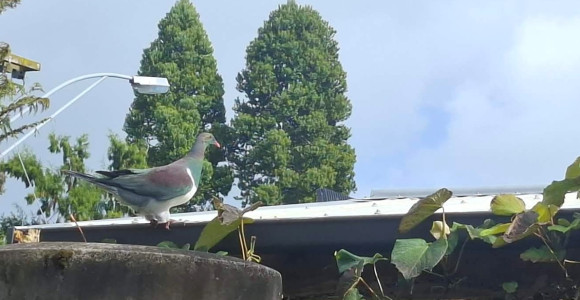
We have had a woodpigeon land on the roof of the staffroom in the last week; munching on the berries from the mature
Ilex lago plants we have in large pots. These birds are berry fiends and when there's no native fodder around they will browse on any berry you like. You have been warned - cover those
Berries and Brambles.
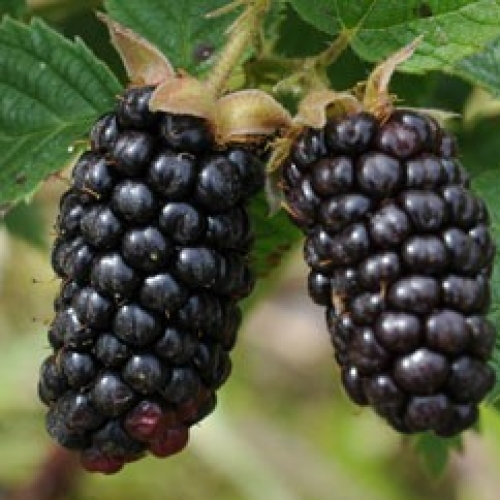
Speaking of which, we have a great selection of
Berries and Brambles in stock now and you can choose from
Blueberries,
Boysenberries,
Blackberries,
Raspberries,
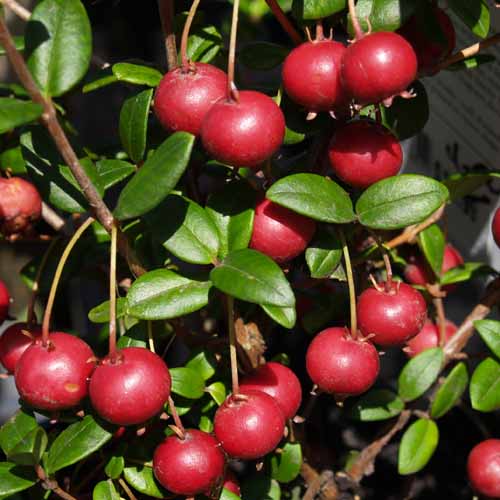
Cranberries and a few mixtures. By mixtures I mean the likes of
Loganberries, which are a cross between a raspberry and a blackberry, and also a new variety called
Berry Delight which is a cross between a loganberry and a boysenberry. These hybrids have been bred to have the following benefits: they are almost thornless, self fertile and produce heavy crops of dark red berries. Yum!
New at the Nursery
Plants grown in the form of
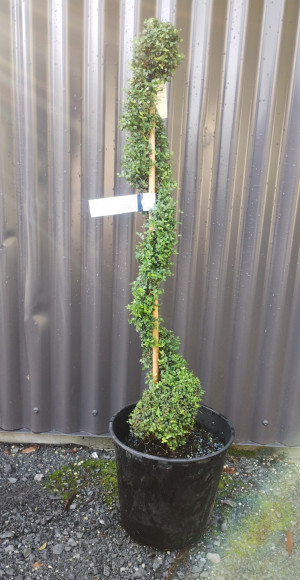
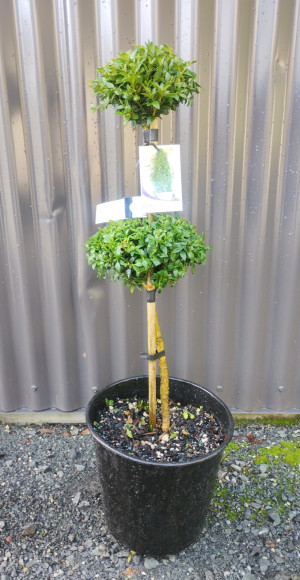
Standards are an elegant way to set off any entrance or pathway. They define the area, lead the eye and give a sense of the dramatic. It can take many years to grow and shape a standard, so if you are a little short in the time department, we have just received a shipment of a range of standards which should do the trick. Over the course of the years the stem will thicken and the head will fill out leaving you with an impressive specimen to bowl over your guests. Many of our current standards are foliage only, or with very small flowers, so they won't make a mess on your paths or on the entryway.
Lonicera Nitida Spiral and Buxus Sempervirens 2 Ball Standard
We are happy to promote the wonderful Gordonton Art and Design Trail which is on this coming weekend 18th and 19th April from 10am-4pm. Wander through a vibrant rural gallery where local artists open their studios and creativity spills into every corner. From painting and sculpture, to pottery and mixed media, meet the makers, fall in love with original
works, and take a piece home.
Make a day of it with boutique shopping, great coffee, and a taste of
Gordonton charm. Head to
www.gordontonarttrail.co.nz for more information. Trail maps are available for download from the website and at businesses supporting the Gordonton Art Trail (such as us!).
Hopefully you can dodge the clouds over the weekend and enjoy some sunshine. We all could use a dose of Vitamin D after the rain. Have a wonderful weekend. Regards, Tracy.
Cheers from Lloyd, Tony and the Wairere team.
Last 25 Newsletters...