Saturday 10th October, 2026
Hi
The fuzz is out on plants all over the neighbourhood. By this I mean new shoots and leaves creating a "mist" of colour around the maples and other trees coming into leaf now. I was admiring some elms in the park where my family go to play disc golf last week. If you haven't come across this new craze, I recommend it for old and young as an easy way to entertain yourselves of an afternoon or when-ever. Basically the premise is like golf but you aim for baskets, not holes, and throw discs (frisbees) instead of hitting golf balls. Get your family or friends together, and bring-your-own frisbees and you are in business. The special "baskets" for disc golf are set up at various parks in Morrinsville and Cambridge as well as Fairfield park in Hamilton (see first image below). If the craze keeps going, then hopefully there will be more in the pipeline.
The fuzz that is on the
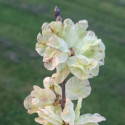
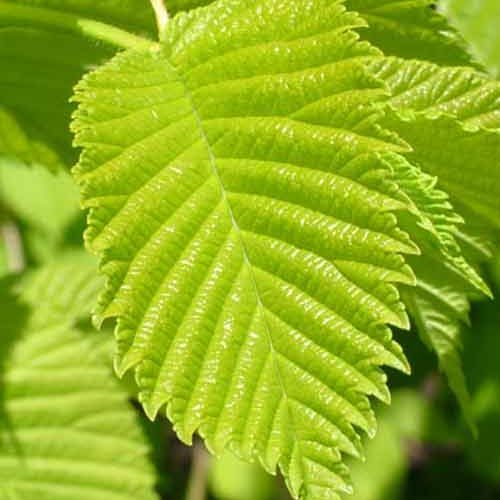
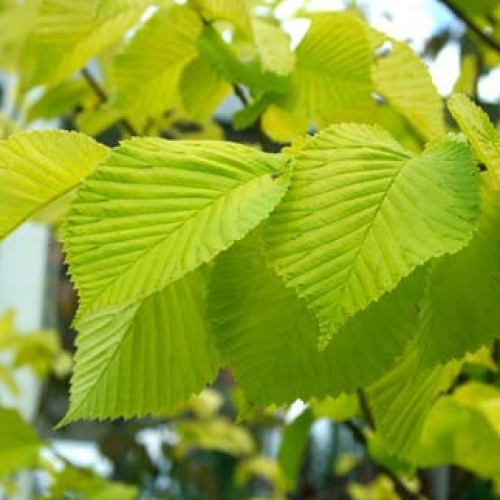
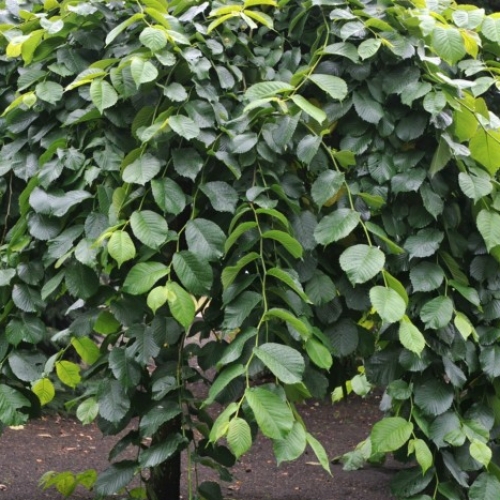
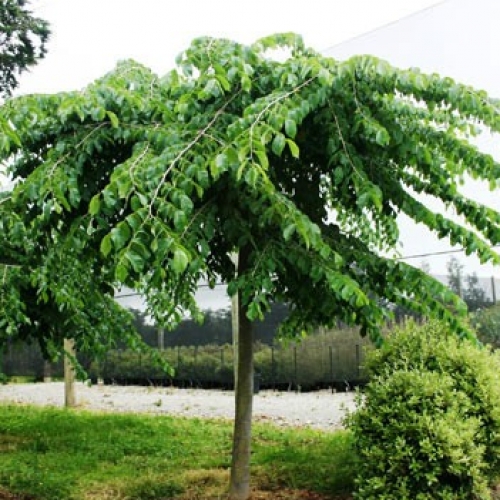
Elms (Ulmus), are probably the seed pods or "samara" which are produced in large numbers at this time of year. They are basically like little nuts enclosed in papery shells. These winged seeds, or helicopters as the kids call them, are dispersed by the wind and usually appear a little before, or at the same time, as the leaves (see second of the four images above).
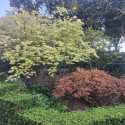
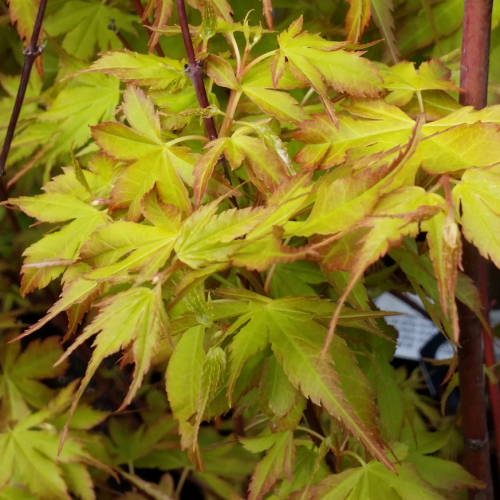
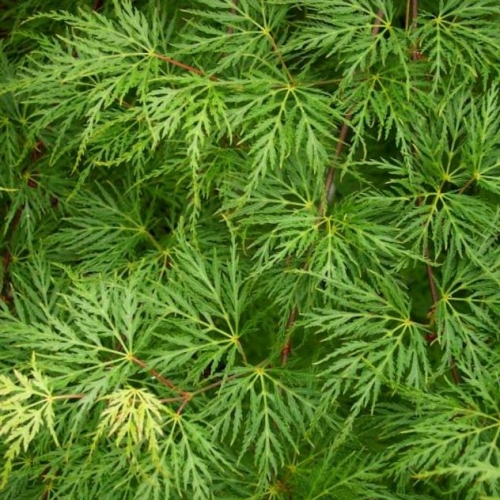
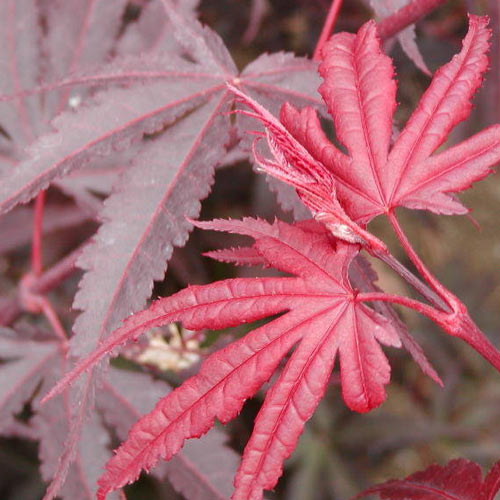
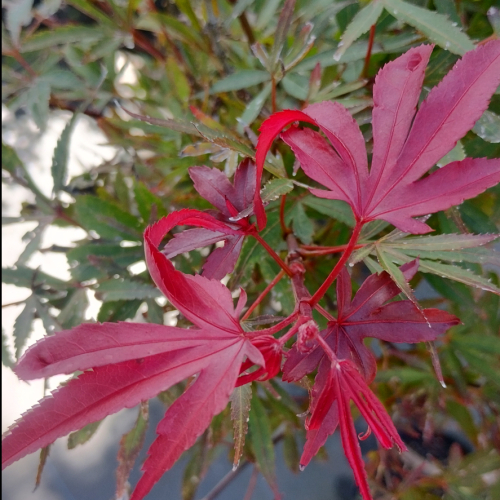
Maples (Acer) also have these samaras as their seed dispersal system, but theirs are usually formed in pairs. Different types of maple have different angles to their helicopter pairs (interesting but useless fact of the day). Currently our elms and maples are bursting forth into leaf - come and check them out if you are keen to see the colours of spring in action and need a small to medium tree for shade.
Japanese maples like protection from the wind but will reward you with elegant softly coloured leaves in spring and summer and a spectacular palette of autumn leaves.
Everything is growing
Spring. Even the name conjures up the energy which is being released by plants growing at this time of year. Good plants and bad plants :( and by this I mean weeds. Yes, the struggle is real for gardeners at this time of year to combat all the stuff they don't want to grow in their gardens. There are just so many unwanted plants that yearn to take advantage of that lovely growing patch which you have created. Unfortunately, if left unchecked these weeds will compete directly with your desirable plants for water and nutrients. They gotta get gone!
I know you are going to hate me for saying this, but the best way is to pull them out by hand. Tedious...yes but effective...also yes...if you can be disciplined enough to remove the root as well. A customer was asking me about fumitory (Fumaria officinalis), which is a frustratingly quick-growing blighter at this time of year. Fortunately, its root is pathetic. If you can trace the plant back to the ground level and pull the sucker out then you will also deal with a satisfying amount of top-growth. Unfortunately this one is classed as "ephemeral" which means it grows rapidly to produce seed and then dies, sometimes having several life cycles in one season. The secret to this, and also other ephemerals, is to nab them before they set seed.
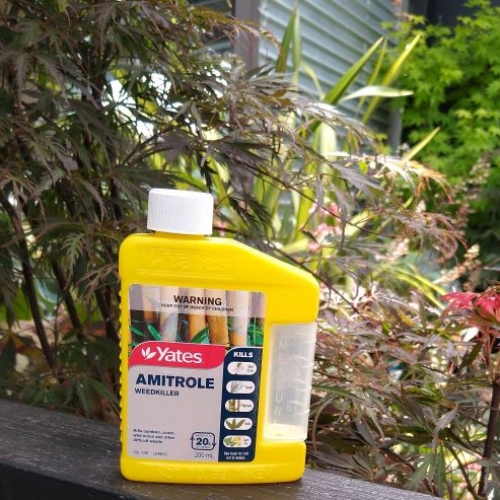
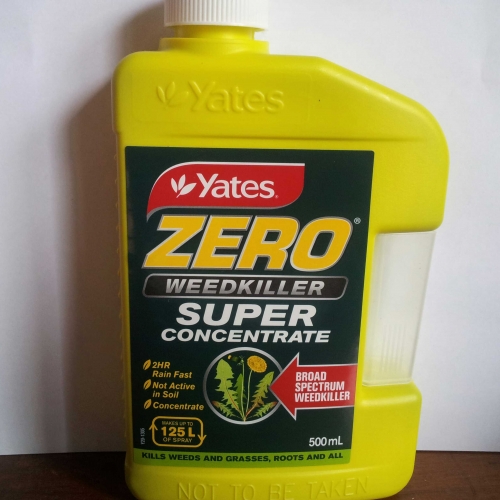
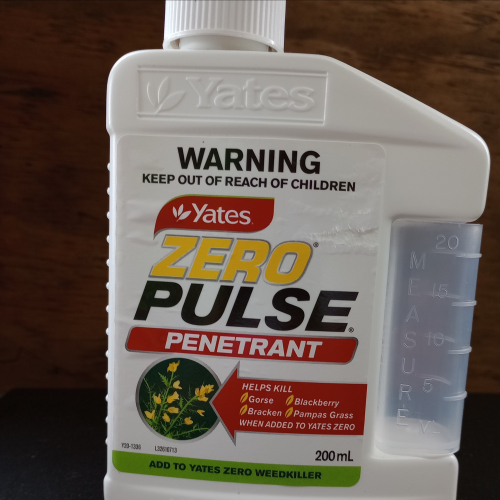
I'm sure you know the bittercress (Cardamine corymbosa, also known as the pop weed) which fires seed out of its tall stems when touched. Also an ephemeral, so if you can hoe it out/pull it out before it sets seed you are in business. If you don't... your problem just expanded by 1000 seeds. Most gardeners can deal with these but the real problem-children are things such as convolvulus, oxalis and onion weed. These ones will likely need some sort of chemical intervention, i.e spray, to help you as the roots don't come out nicely and if they break or separate your problem has also just multiplied. These need to be dealt to by systemic herbicides which generally can be residual (stay active) in your soil. Sometimes adding a penetrant to your spray will also help it be more effective especially if the weed has a shiny leaf e.g. onion weed. Don't compost these weeds either as the heat doesn't necessarily kill them off. All I can say is, "good luck".
Roses
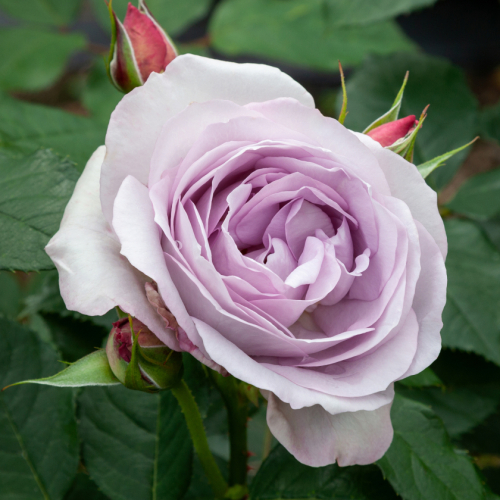
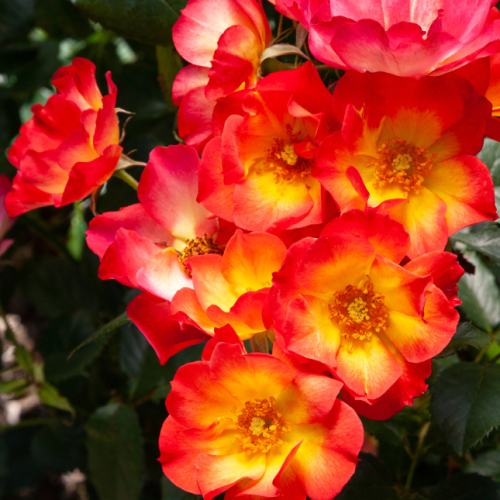
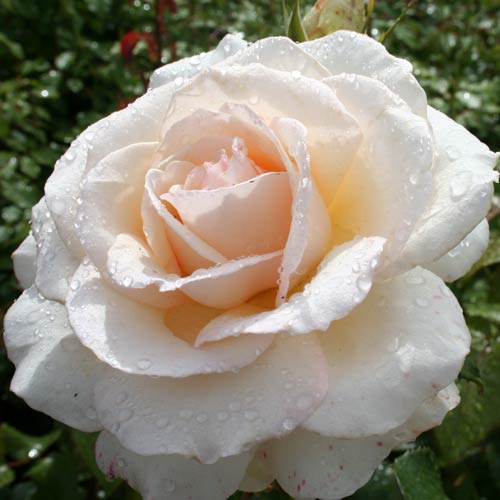
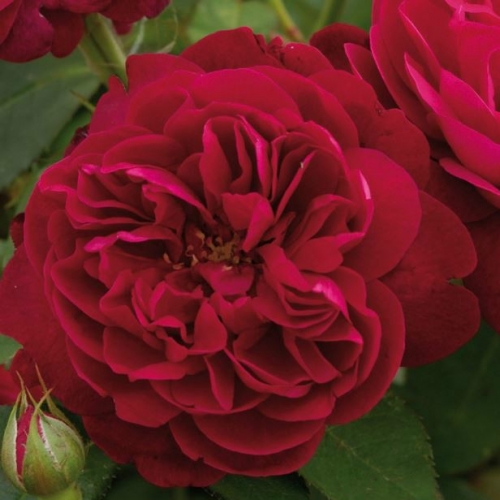
We have been waiting, since they arrived in July, to see what lovely delights the roses have in store for us. Finally, we can see a bit more colour appearing each day. Some of my favourites such as
Pope John Paul II and
Ali Mau can best be enjoyed in early to mid morning when they are fresh and the cool air holds the scent oils close to the rose. Once it gets hotter, these scents can evaporate away making it harder to enjoy the fragrances.
Perennials
In case you missed it, we have a couple of perennial stars at the nursery just now, for example:
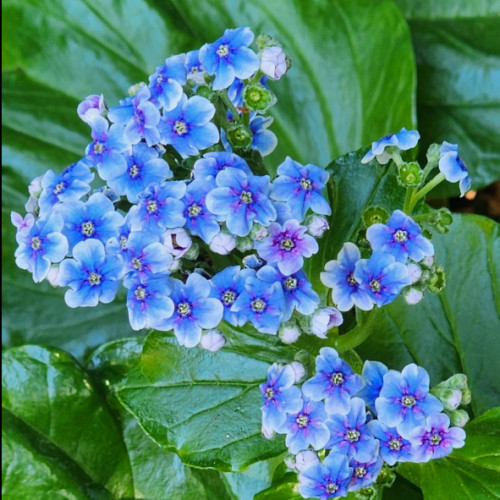
Chatham Island Forget me nots which have deep green leaves and vivid blue flowers, suitable for shady spots. The other one is
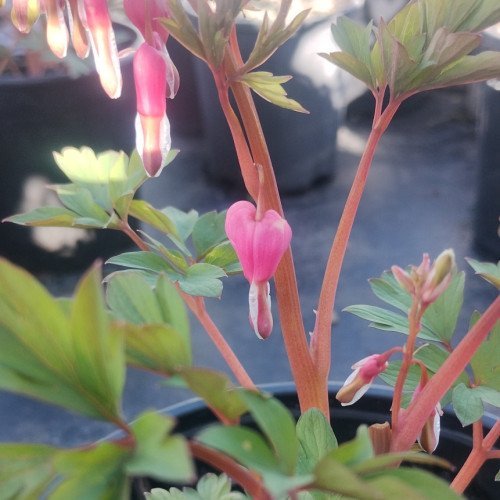
Dicentra spectabilis or Bleeding heart plant. This unusual plant is winter dormant and pops up in September to show off the heart shaped pink and white flowers with feathery leaves. Beautiful. The last of the
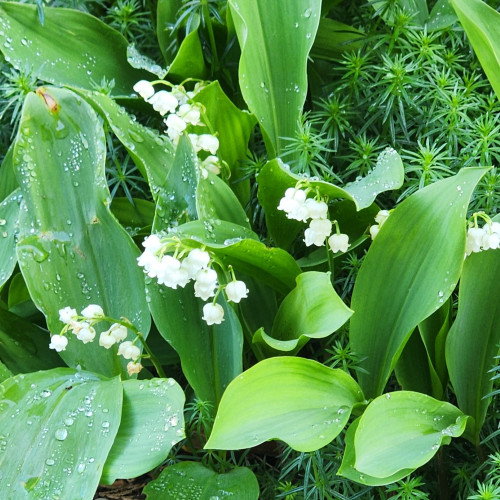
Lily of the valley (Convallaria...not Pieris) will be going out the door soon. Contrary to what I said in the last newsletter, they arrived early and have been flying out the door.
Bletilla striata might be another one you have seen in gardens and wondered about. It's also known as Chinese ground orchid. It has bright green, deeply ribbed, grass-like leaves with tall flowering stalks displaying gorgeous, delicate, striped violet-pink flowers in early summer. Easy to grow in light shade, under trees, in lawns or in pots. Finally, for those with damp spots to fill,
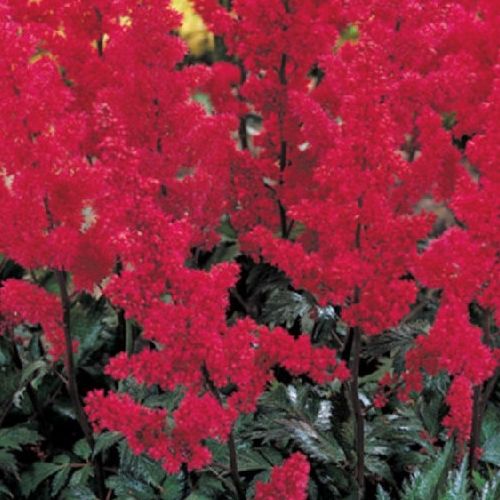
Astilbes are a great choice with feathery foliage and bright tall fluffy flowers in late spring.
Iris
The latest and greatest arrival are the
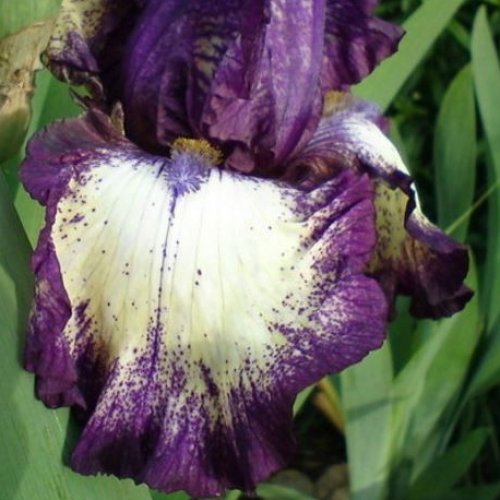
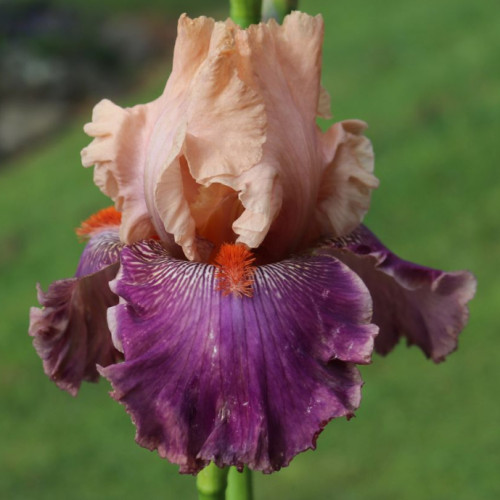
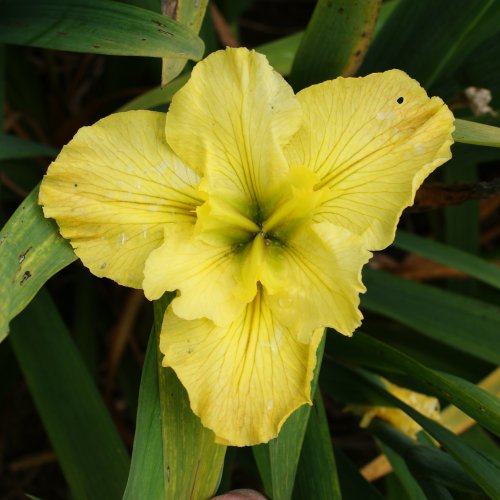
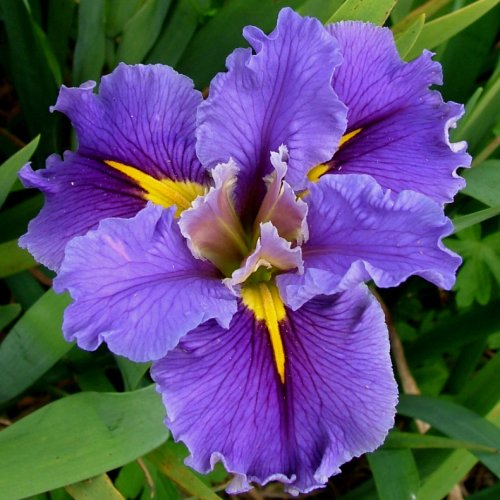
Irises. This is a massive family and includes the
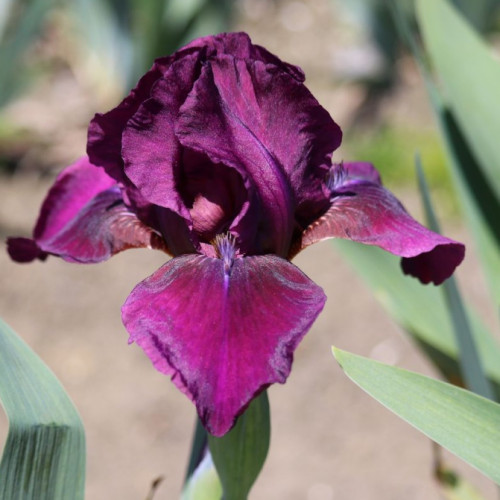
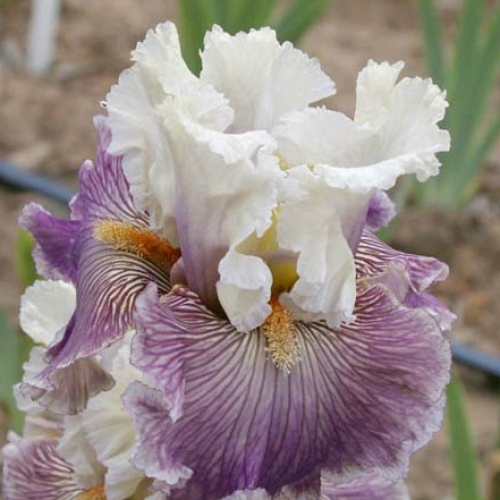
Bearded and
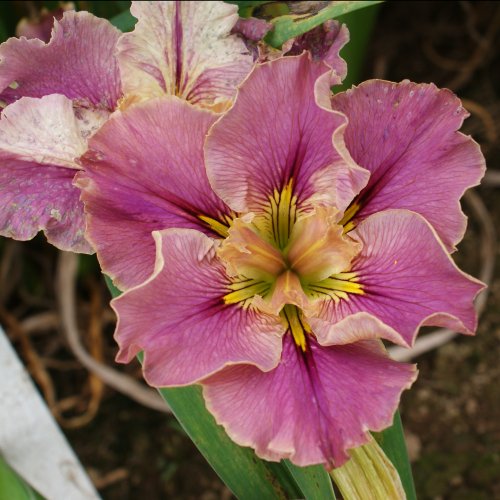
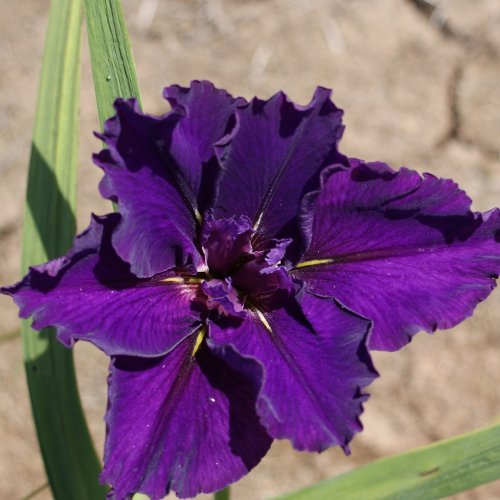
Louisiana types which are in this week. Iris means rainbow in Greek and it really is apt for the colour selection is huge. Iris was also the name of a Greek Goddess; she was the messenger of the gods and travelled on rainbows to do her job. Bearded iris originate in Europe and have been extensively bred to produce an array of colours and bicolour mixes. We are lucky to have around 30 different named varieties and some of these have great names as well as colours. Plant them in full sun and make sure the rhizome is exposed to the sun. They also need good drainage and protection from wind and extreme cold. Lift every year and discard the older centre rhizome and retain the plump new growth at the edges. Check out these beauties:
Louisiana Irises come from a place that is basically a wetland delta fed from the great Mississippi river and coastal swamplands. It's subtropical climate mean that everything grows FAST. There are five types of native Louisiana iris, from which the modern hybrids are bred, and they obviously love to grow in damp, boggy conditions. They are generally quite tall and are hardy and vigorous. Breeders have been busy and so you can find a selection of colours from blue to red, yellow and pink.
Kumara are coming soon - don't forget that you can pre-order now as long as you can pick up in the two weeks around Labour Weekend. They are sold as 25 slips in a bunch for $19.99 - order by the bunch.
Don't forget the garden rambles and festivals coming up soon around the country - a great way to enjoy this gorgeous spring weather we have been having. I'll be at the garden centre this weekend taking in the blue sky and flowers - there are worse jobs to do I reckon. Whatever you are up to this weekend, I hope it's a good one. Regards, Tracy.
Cheers from Lloyd, Tony and the Wairere team.
Last 25 Newsletters...