Saturday 14th November, 2026
Hi
"What a lovely week the ducks are having" you might say, but you would be missing the main point as far as I'm concerned, which is that the plants are having a party with the blessing of much-needed spring rain. Country folk like me are celebrating the filling up of our water tanks as well, but we also know the value of rain for plant health and soil vitality. Moisture is such a crucial part of every plant's make-up, from internal support to the movement of nutrients and sugars around like blood-flow.
Everyone knows what a dry wilted plant needs... WATER! Each growing cell of a plant contains a water-filled sac called a vacuole where some of the "business" of plant life goes on. When it's full of water it pushes against the walls of the cell, making the plant stand up straight; when it's not you see the plant physically wilting as it struggles to maintain its turgidity. Water drawn out of the holes in the leaves (stomata) through transpiration helps pull up nutrients which has been taken in by the roots. The pipes that aid this draw-up are the xylem (say ZY lem) and the ones which take the sugar/sucrose down from the leaves are called the phloem (pronounced FLOW em). Easy to remember tip - water Flows down the phloem and goes up the xylem. Soil loves the rain too, as soil organisms such as worms and beneficial fungi need it to survive. Hurray for the rain!
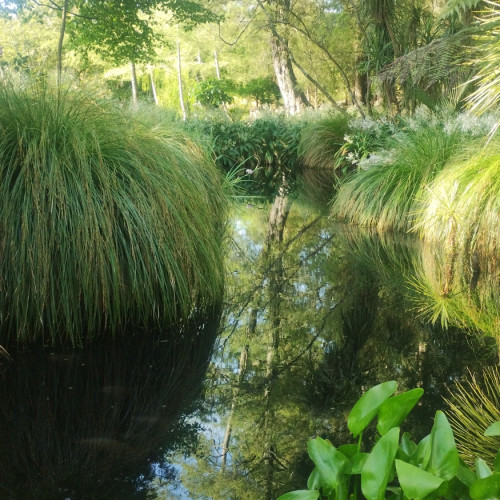
Our display garden looking lovely after recent rain
Here at the nursery we are celebrating not having to get out the hoses and are doing inside-jobs such as starting to look at our indents for next year. Plants take several years to grow, graft and mature so we need to order well in advance to ensure we receive the best stock in winter. It's a good time to consider what you would like to plant. If it's still available, you will get a good growing season start if you can get it in the ground now, but otherwise (planning for next year) you can add something to your waitlist. We still have good stocks of most of the fruit trees:
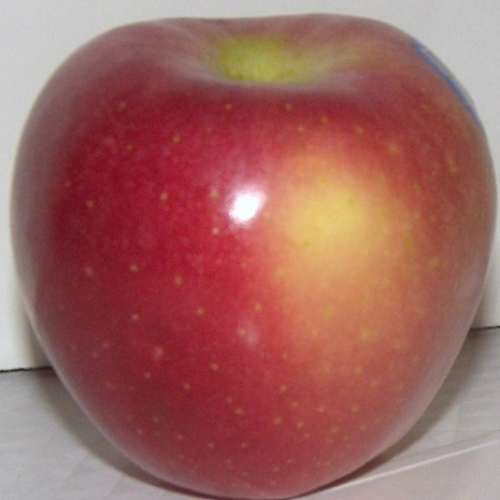
Apples,
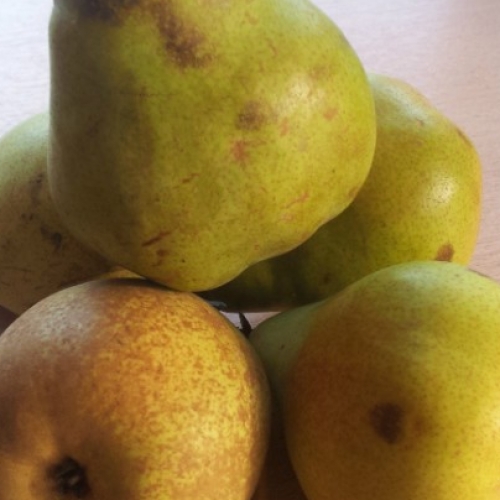
Pears,
Plums,
Apricots,
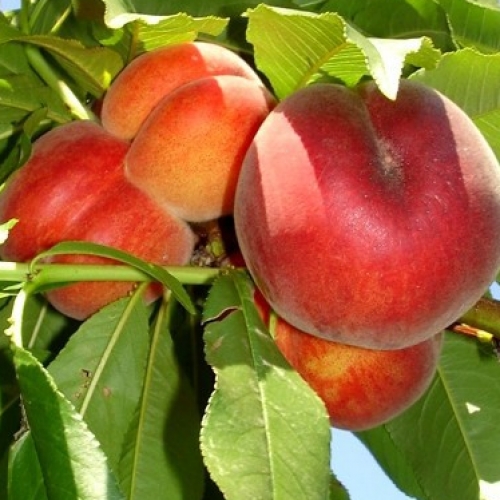
Peaches and
Nectarines, although some have sold out. Last year we got 250
Luisa plums in June/July and they were sold out by August.
A nice drop of ...
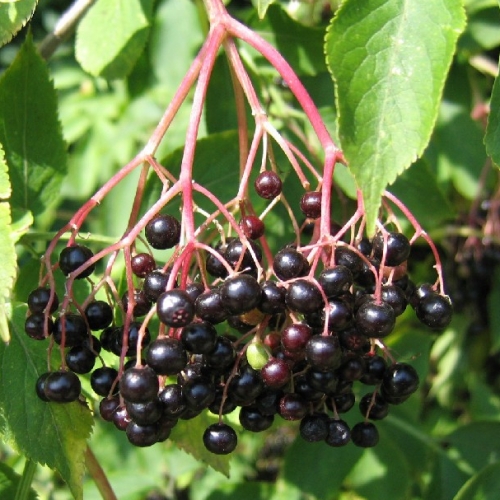
Elderberries are often found in gardens, courtesy of visiting birds, and elderflowers are important as a food source for bees and other insects. There are a lot of myths associated with Elderberries, for example that they host fairies and spirits and that they can bring you good or bad luck. Their botanical name Sambucus is the name of an ancient Greek wind instrument that was made from the hollowed-out stems of elder trees.
Fun facts: a customer asked us to send them some stems of elderberry, which he was going to use to make a miniature bagpipe. Not sure how that ended up going, but maybe I can update you when I find out. Elder wood also makes very powerful magic wands..in the Harry Potter universe anyway.
Elderberry wine is supposed to be every bit as good as wine made from grapes...so I've been told. In case you are keen, you should spend some time researching it because it is just as high-tech as making grape wine. The secret to making nice wine is all about the balance between tannins, sugars and acids.
Elderberry, it turns out, has as good a proportions of all of these as you could hope for. After choosing the berries when they reach peak ripeness, which should happen around February to May (you have to look for ripe clusters with no green berries), you then snip them into paper bags or similar. Strip the berries off the stems and crush them by hand (or foot) but beware: they do stain. The next part is all about the sugar level of the fruit, once water has been added, and the best way to measure this is with a fancy hand held machine called a hydrometer. Once you have sorted out how much sugar to add you need to measure the acidity, as that will influence the ability of the wine to last and also the freshness of the flavour. Finally, you add some yeast to start the fermentation process and soak the berries and water for several days. While doing this you need to adjust yeast nutrient levels. If you are really serious about wine-making you probably need a book. So, I will leave you to ponder the delicious flavour of elderberry wine and whether you have the scientific know-how to attempt it! In fact you can make wine out of many fruits but they all vary in acidity and pectin levels and sugar so...best of luck.
Wisteria family
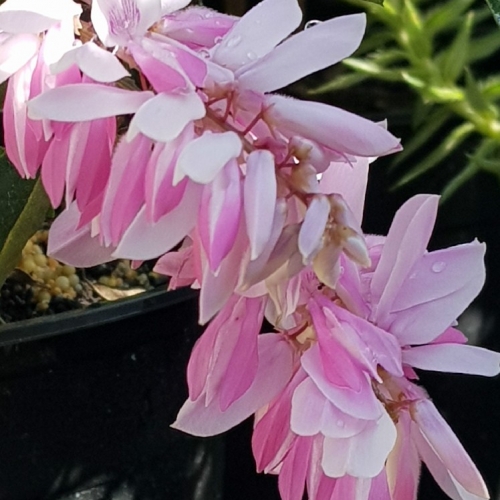
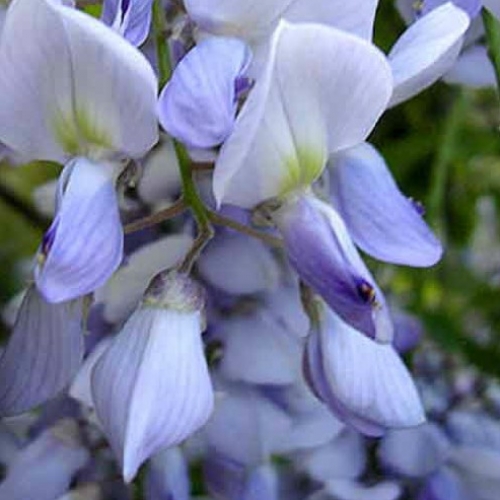
Indigofera or Summer Wisteria are named for the blue dye indigo which is made from plants of this genus ("Indi", from India, where the dye was first made and "ferous", to produce). Some Indigofera species were the original, and only, source of this dye for centuries and they originated in Asia. You might expect that the dye comes from the coloured flowers, but it is actually produced by fermenting the mid-green leaves. Never fear, the version we sell is not going to stain your clothes or do anything else nasty. It's very well behaved, growing in sun or partial shade and producing pretty pink hanging flowers similar to a true wisteria, but smaller. It has a long flowering period; from the end of spring through to Autumn. It spreads by underground roots but is not invasive.
Plants in the closely related genus
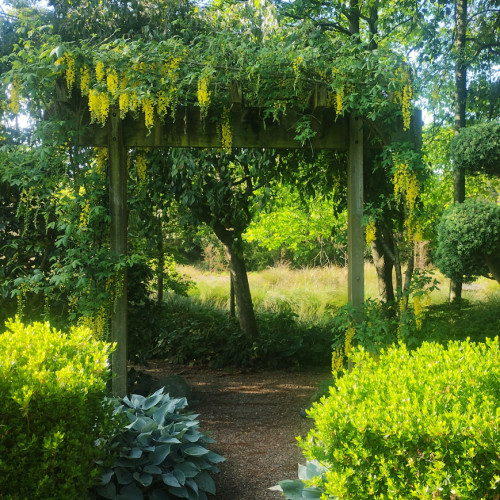
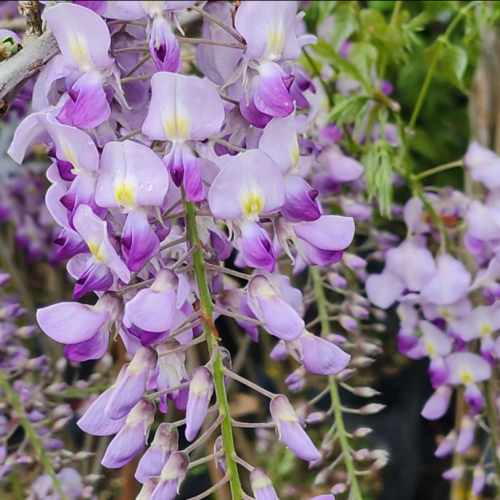
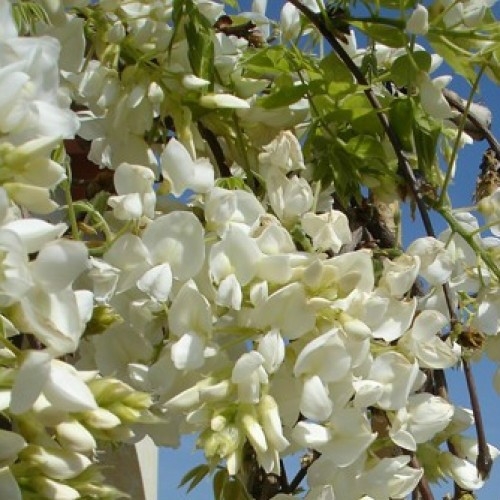
Wisteria have generally finished flowering by now, but they are worth mentioning as a spectacular spring-flowering climber. With careful pruning you can keep Wisteria contained and the long plumes of flowers will give glorious fragrance, as well as colour, during spring.
Hydrangeas
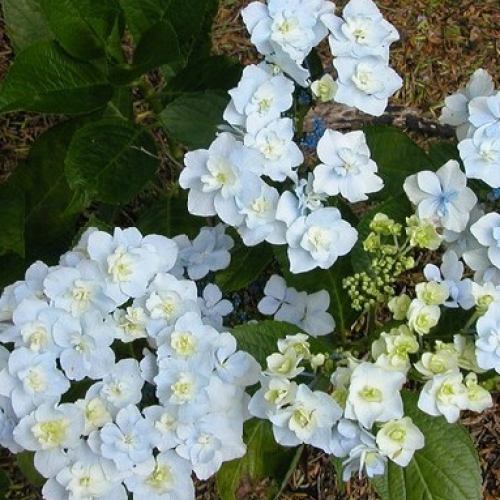
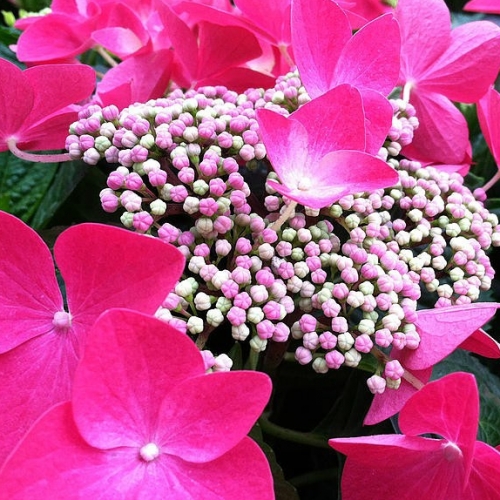
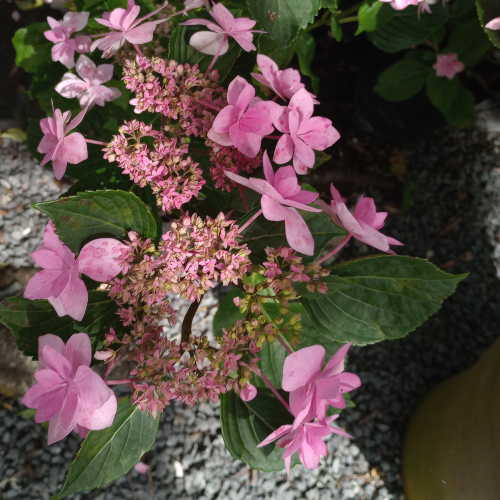
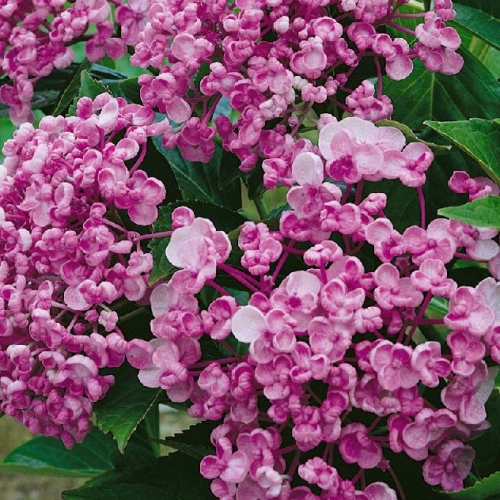
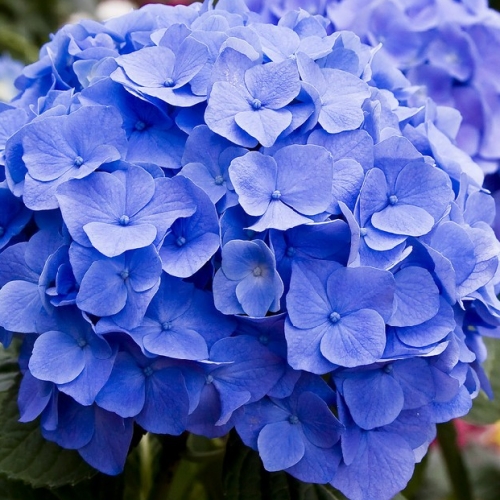
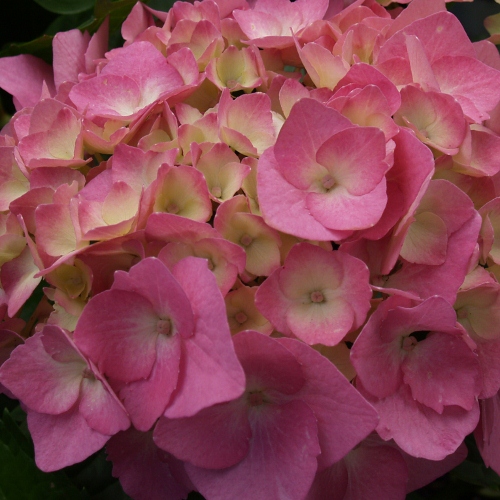
Hydrangeas are coming into their own just now with flowers starting to open and the full delight of their lush green foliage on display. As you probably know the word hydrangea comes from the Greek hydro (water) and angos (jar) due to the shape of their seeds. They are also water lovers and one of the first shrubs to show signs of distress (wilting leaves) in any drought. Luckily they can be mulched heavily at this time of year, which will help lock in our precious water when the weather gets hotter.
These ancient plants have fossils showing they have been around for over 40 million years. They are not about to give up the ghost any time soon and one reason for their enduring popularity with gardeners is their almost bulletproof ability to grow anywhere. Although they do prefer dappled shade, they can also grow in full sun. At home we have some
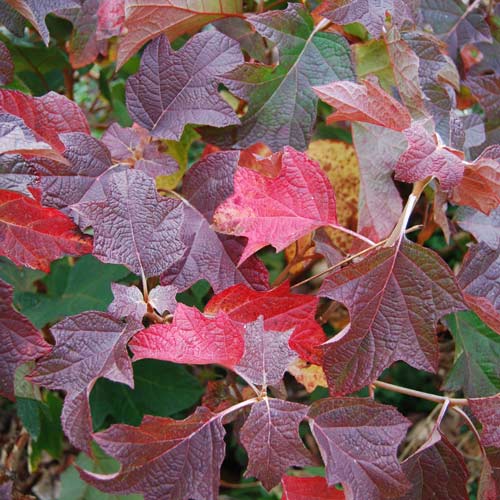
Oak Leaf Hydrangeas which are looking fabulous with their enormous leaves and fresh green colour. These need minimal pruning as their flowers are set on previous season's wood. Just a light deadhead and deadwood cull is all you need. In autumn we will be treated to a brilliant display of their changing leaf colour.
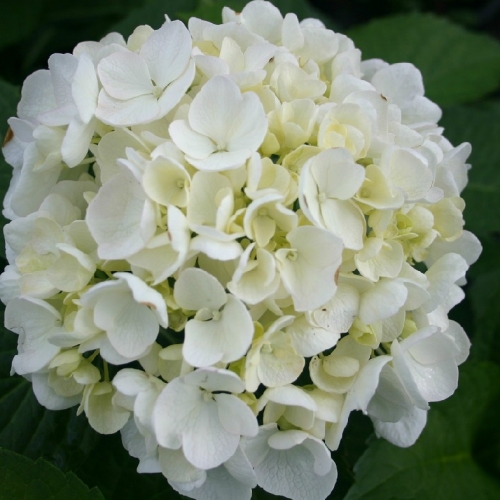
Mophead hydrangeas, such as
Bridal bouquet, make a great massed display under trees. Apart from once a year pruning, you don't need to do much to maintain them. Prune back flowered stems hard to a fat pair of buds and shorten stems without flowers to even the bush out.
Almost time for the beach?
Tropical plants are often sought by those heading to their beach properties for the summer. In coastal, frost-free situations and well-drained soil, many of these will thrive and require little care for the rest of the year. Usually, sub-tropical and tropical plants have spectacular flowers and interesting leaves to capture sun and rain.
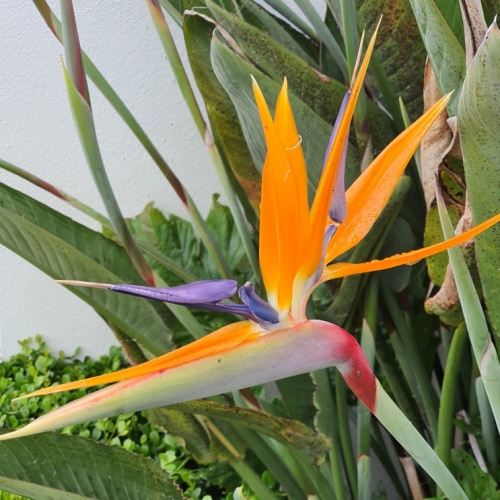
Bird of paradise (Strelitzia) are no exception with a striking flower of orange and blue set amongst long rectangular leaves. Awesome for floral work, or just to brighten up your garden, they love the warm and prefer great drainage out of the frost. Take them on holiday to the sand!
Kangaroo paws (Anigozanthos) are an Australian native which also thrive in a hot sunny spot. The furry elongated flowers remind us of kangaroos and, like most Aussies, the beach is their favourite spot. This year we have scored some
Tropical Frangipani which is something a bit special. You really will have to grow this somewhere hot to enjoy the fragrant flowers of peach, red or orange. I managed to keep mine alive through the -5 in Morrinsville under the eaves in a pot, but it wasn't happy! Finally check out
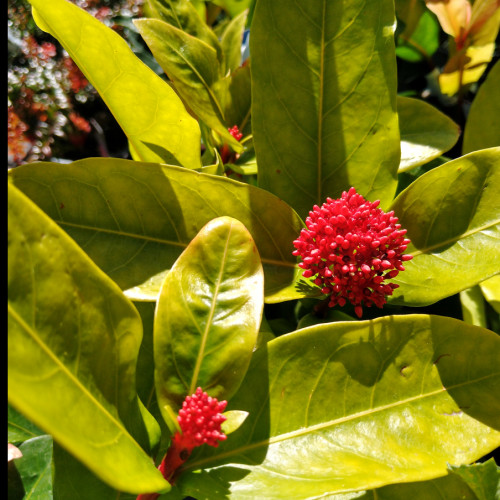
Ixora which is a tropical plant, also called jungle geranium, with small dark red flowers in summer and off and on throughout the year. This one grows into a multi stem shrub about 1.5 m high and wide.
Rose care
Roses are racing out of the nursery as they look fabulous at the moment. We need to tidy up some of the flowers, which have been bashed about by the wind and rain, but many varieties are just opening or yet to show any colour. Over the next few weeks there will be a riot of colour to enjoy if you have some time to spare.
At this time of year you will sometimes notice what is known as water shoots on your roses. True water shoots come from above the graft point and are upright vigorous growth with thick stems. They will have the same leaves as the proper stems, often with a tinge of red. On Hybrid tea roses you can often snap the top of this shoot off to encourage it to branch and produce flowers. On climbing roses and some Floribunda roses these are often an important source of new canes to rejuvenate the bush, especially heading into autumn when you may want to replace older canes. My
Wedding Day rose (once flowering) was constantly throwing water shoots. I removed them completely, back to the stem, as it is so vigorous it would have well outgrown the trellis if left to its own devices.
Shoots which originate below the graft are coming from the root stock and should be removed completely by hand (rather than cutting, as cutting would encourage regrowth). Here is a good
video to show you the difference between these types of shoots and how to remove the bad ones (suckers from the root stock). Our rose sale continues with 20% off all roses except for
Flower Carpets.
I'm off to weed the garden this weekend #weedsareplantstoo. Thanks for reading. Regards, Tracy.
Cheers from Lloyd, Tony and the Wairere team.
2018 Newsletters...