Saturday 3rd October, 2026
Hi
SHHHH can you hear it? If you listen really closely you can probably hear trees and shrubs throughout the Waikato breathing a sigh of relief after a (relatively) long period of dry has been broken by some nice spring rain. From a worm's ear point of view (do worms have ears??) you might also hear the sounds of buds erupting from the cherries or bursting forth from the rhododendrons in great waves. High on the worm-o-meter would also be bulbs and perennials expanding and pushing their way up and out into the light. Around my house you will be struggling to hear it above the sounds of the chainsaw LOL. The sounds of spring are there if you can hear them, but it's also a time of action for many gardeners.
Update: Worms "hear through their skin and experience sound as vibrations over their bodies". Whoa, that's intense! Some of the trees we are removing at home are ones which were planted too closely and have grown up and not out, leaving all the leafy growth at the tips of the plants (3-4 m above the ground) and none at person-height. It is worth noting that "little and often" is one of those golden rules of pruning, so that rather than waiting for your plant to get to its eventually height as specified on the tag, you prune every year to keep encouraging bushy compact growth and remove any wayward branches. Prevention is most definitely better than cure in this case. For fruiting trees in particular pruning helps to encourage flowering and fruit in easy reach rather than leaving it for the birds. So for the sake of the worms...loppers ready?...on your marks get set go!
Natives for revegetation and more
With space being made by removal of the large unsightly trees, my husband is keen to add some
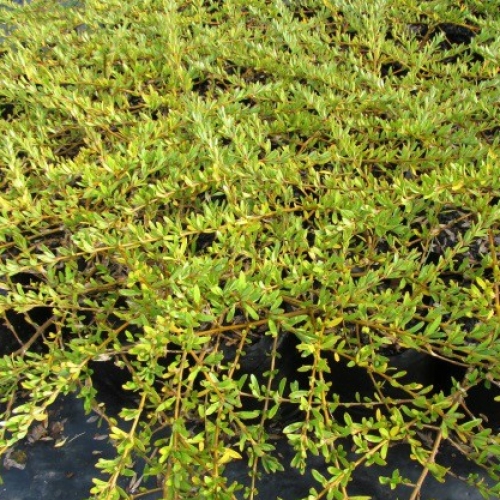
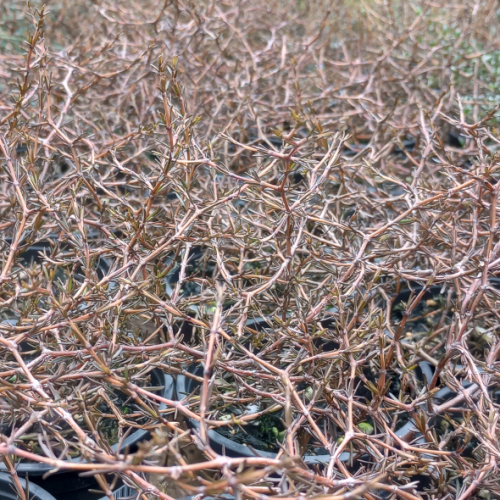
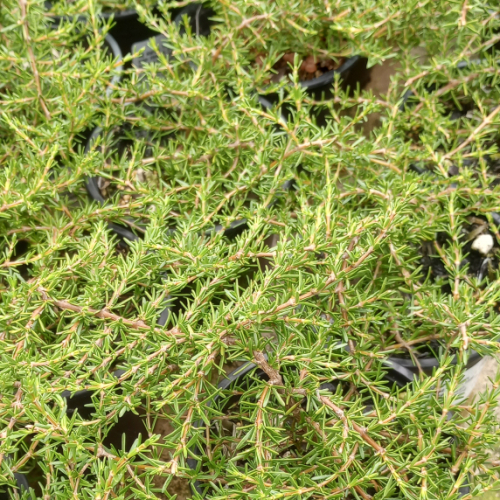
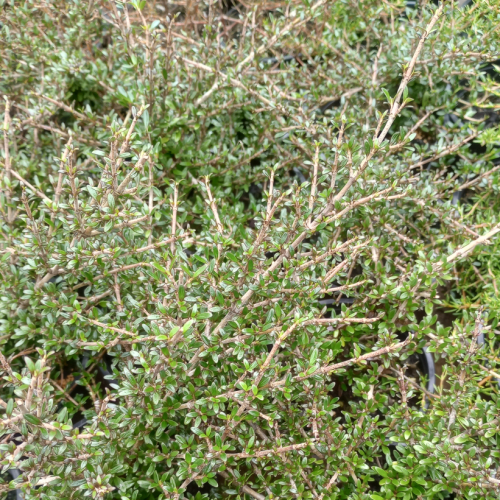
Natives to our garden. One of the great things about native plants is that they are ideally suited for the soil and climate here and so don't usually need any special care or have a "fussy" nature. Whether it's a low growing ground cover to cover a bank, a hedge to screen the washing from the neighbours, a feature tree or an excuse to bring in the birds, natives have all the options covered. Native pigeons, for example, love the new leaves of the
Kowhai tree and tui and bellbirds are attracted to its bright yellow nectar-filled flowers. For hedging you can rely on
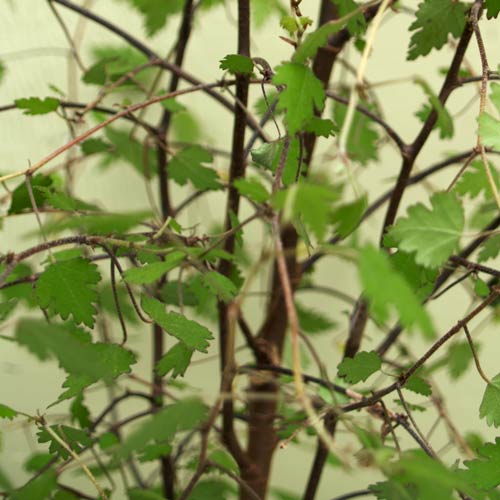
Corokia,
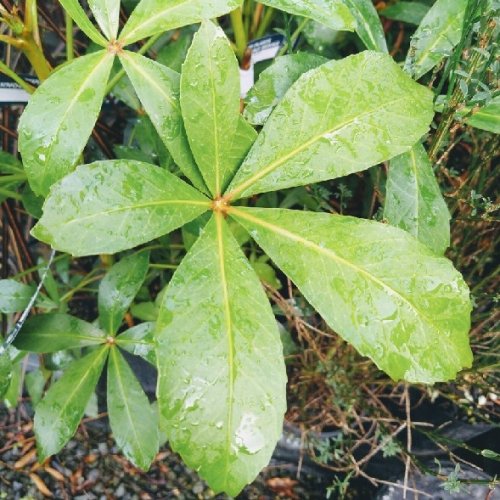
Pittosporum and
Griselinia for dense, healthy growth and these cope with all of New Zealand's climatic changes, including 4-seasons-in-one-day at times.
The key with some of the forest trees is to give them a bit of cover while they establish. In the forest situation they are protected as they grow under the canopy. Planting nurse crops such as
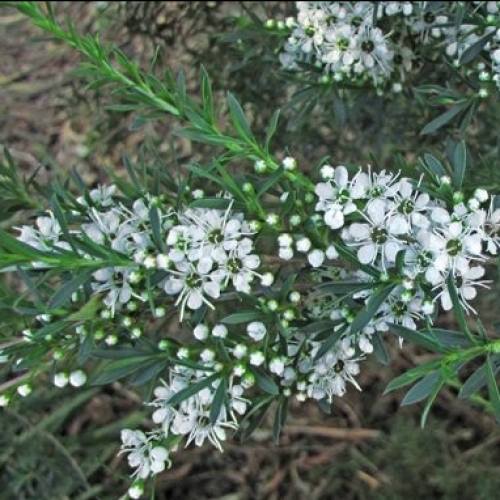
Kanuka (Kunzea Ericoides) and
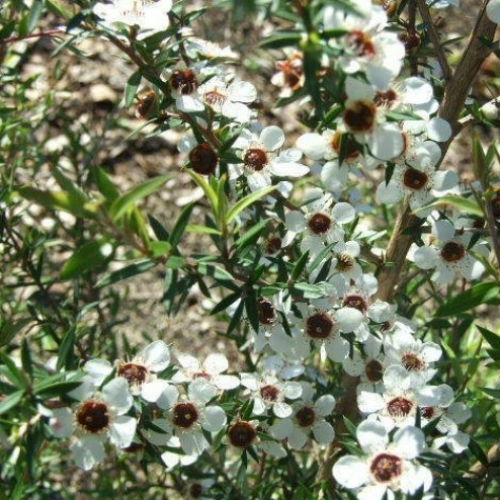
Manuka (Leptospermum Scoparium) gives the young seedlings a chance to get well underway before they have to face the winter's onslaught. These can later be removed to allow the light and space necessary for the larger trees to fully develop. We will be planting some of these nurse crop plants to help get our
Nikau Palm and
Rewarewa through to a height where they can cope with the Morrinsville frost.
Native Groundcovers
Native trees: suitable as specimens or for nursing less hardy plants
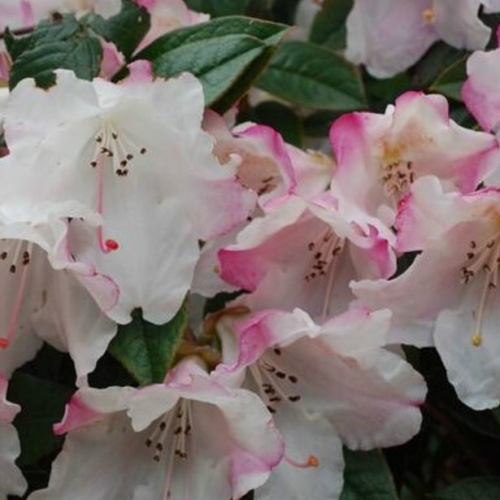
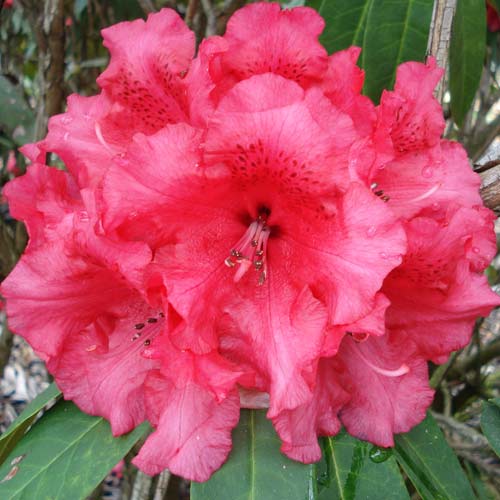
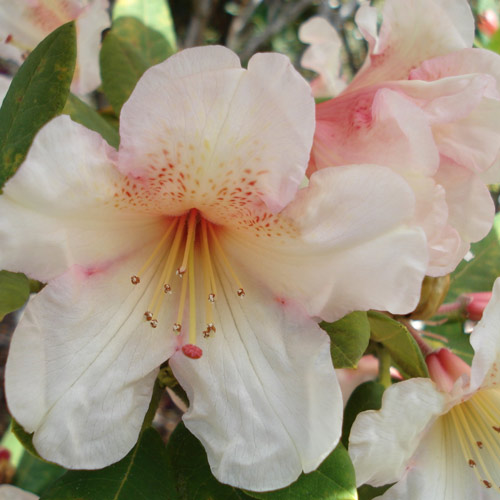
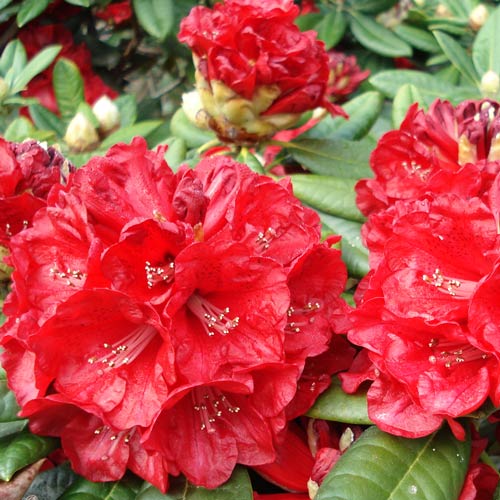
Rhododendrons and Azaleas
When October rolls around you can almost set your watch by the fact that
Rhododendrons and
Azaleas will be springing into flower. Garden festivals such as the Taranaki's Centuria will showcase the best on offer. That includes large varieties, which grow as big as trees, and some compact dwarf varieties no bigger than a metre. The
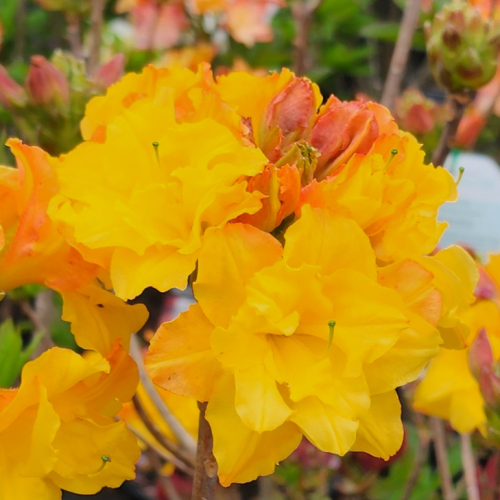
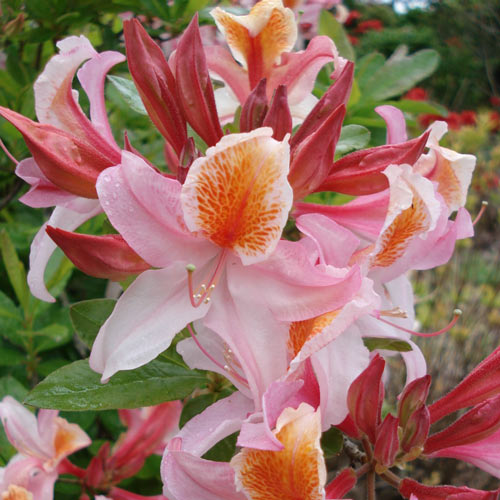
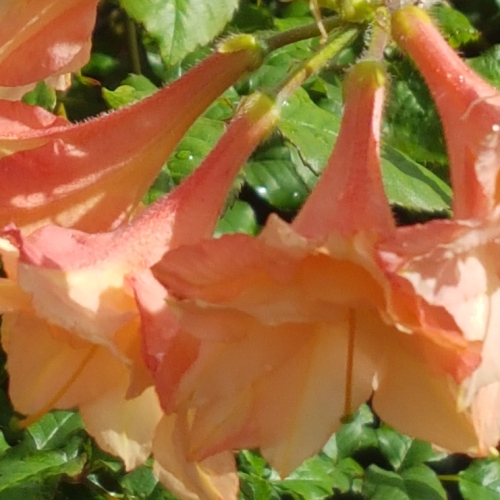
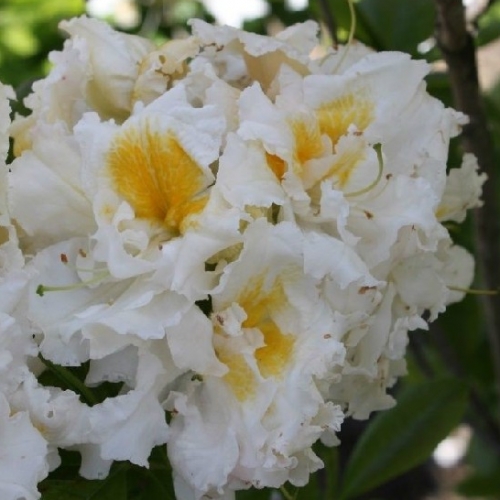
Deciduous Azaleas are part of the same taxonomic group as Rhododendrons, and add to the interest with hybrids bred for their theatrically bright oranges, reds, golds and white. An added bonus is the rich autumn colour of the leaves before they fall, as well as often having scented flowers.
Although
Deciduous Azaleas are found throughout the temperate world, breeding of hybrids has focused in Belgium and also locally in Christchurch with Edgar Stead who based his breeding programme near the University and developed the
Ilam hybrids. Once they come into flower they are quickly snapped up as they are definitely head-turners. The key difference between Rhododendrons and Azaleas come down to the flower and the number of stamens inside. Not something you will probably notice unless you have your microscope handy. They both enjoy the same conditions of dappled shade, acidic soil and adequate moisture through the summer months. Be sure to add a good layer of mulch to protect the shallow fibrous roots from drying out.
Rhododendrons are show stoppers too and if you have seen and smelt
Harry Tagg you will know what I mean. The colour palette of rhododendrons is sensational from palest pink and cream to rich red, burgundy, lilac and purple. As with Azaleas, be sure to add plenty of organic matter (compost, leaf mulch) and keep well watered in summer. Here are some of my favourites:
Viburnum
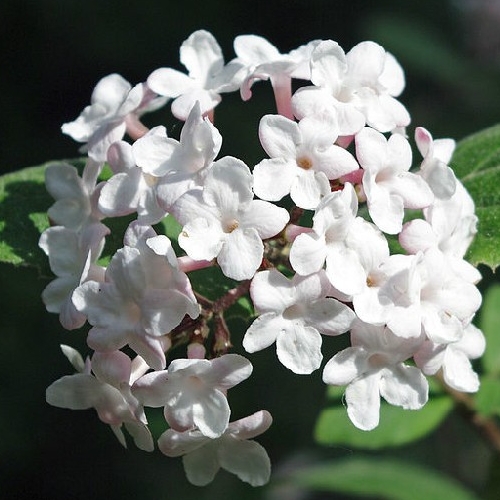
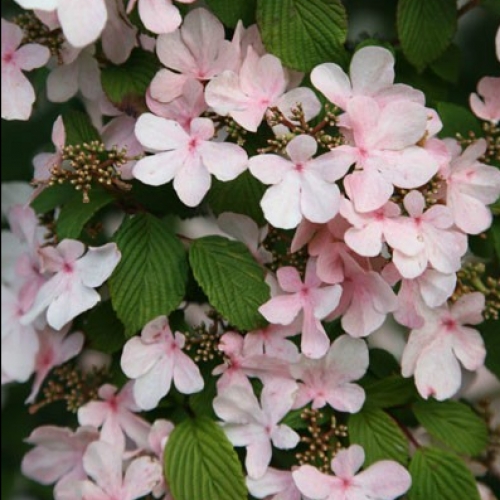
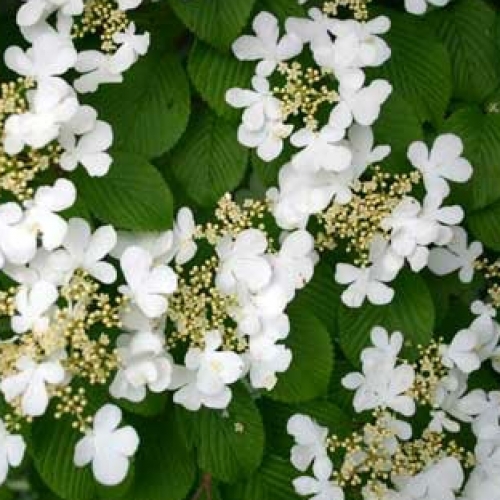
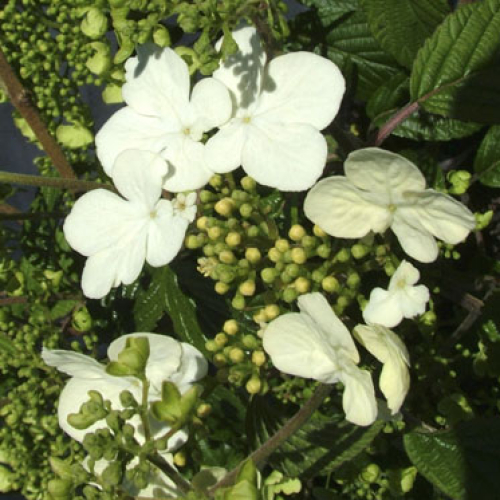
One of my other personal favourites, which are strutting their stuff at present, are the
Viburnums. These add grace and elegance to a garden. The name Viburnum is said to refer to a bush called the "wayfaring shrub" which was often seen growing near paths and helped travellers avoid getting lost. I imagine the bright white flowers had something to do with that. Most Viburnums we sell have flowers of either white or a subtle pink colour and many have a gorgeous aroma. The other background of the word viburnum is from the Latin "
viere" which means to weave and this could be attributed to the fact that many Viburnums grow in layers and their stems are pliable and would be suitable for basketmaking, if that was your thing. In the garden they make great background plants growing 1.5-3m tall and are bushy and easy to grow in sun or partial shade.
Avocados are coming
With another bumper crop expected across the ditch, it should be a good season for home-grown
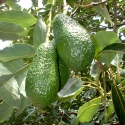
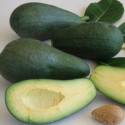
Avocados too. Avocados have a very tricky pollination process which can be easily broken down into simply understanding A and B. An Avocado in group A (e.g.
Hass,
Reed) needs to be planted near an Avocado from group B (e.g.
Fuerte,
Bacon) to maximise your crop and ensure most flowers have the maximum chance to set fruit after being pollinated. It all hinges on the fact that for each group the female part of the flowers open at a different time of day to the male part of the flowers. To get proper pollination you need to have both male and female flowers (from different trees) open at the same time. Our avocadoes will be arriving soon - be sure to pre-order to avoid disappointment.
Beneficial organisms aka The Good Guys
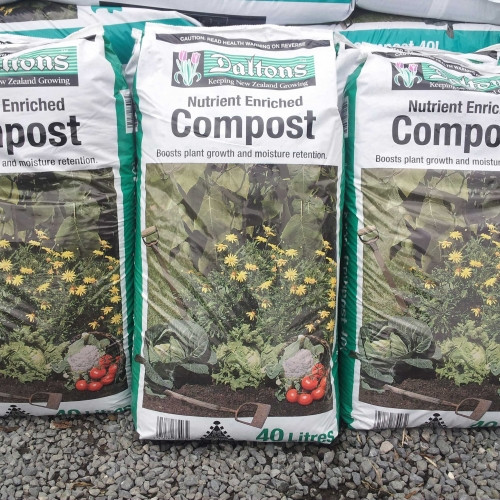
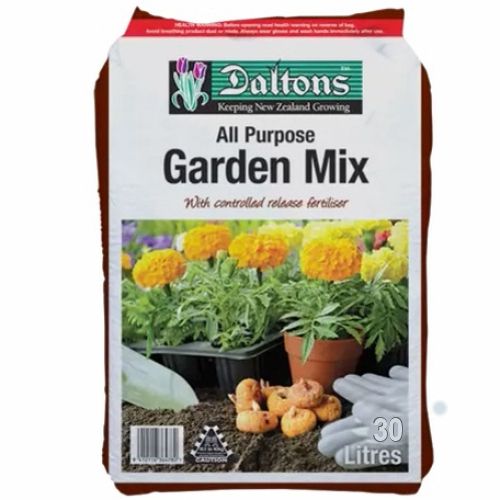
Speaking about worms, we always want to encourage these in our gardens because they are real powerhouse workers. They toil away under the soil, aerating it, adding nutrients by gobbling up the organic matter from dead leaves, flowers and other bits and pieces and making it accessible to plants. Worms process the carbon in plants and lock it into the soil, helping to slow climate change. As they move about, their tunnels create drainage and air passages for water and oxygen to reach plant roots. To help them out, make sure to return organic waste to the soil surface e.g. leaf litter, compost, rotted leaves, weeds and even newspaper. This will feed worms and allow them to multiply.
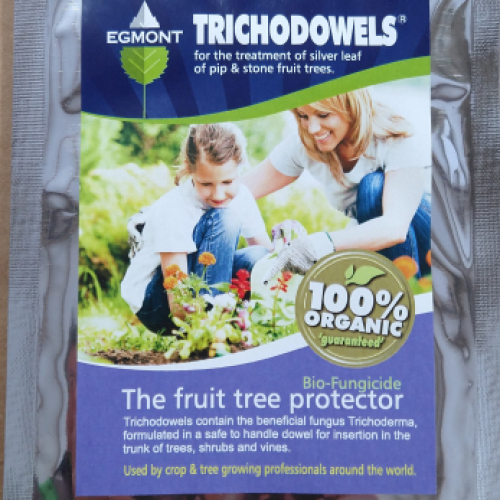
A healthy soil has between 200 and 1000 worms per square metre. Worms can process about their own body weight in food per day (food = delicious rotting plant material). Just imagine if we had a similar dietary need...I wouldn't want to deal with that grocery bill. As well as insects, some fungi in the soil are beneficial and one of the key ones used in horticulture is Trichoderma. Basically, it acts by fighting off the nasty fungi (the ones that cause disease) and protects plants against their attack. It occurs naturally in the soil and you can also cheat and buy dowels which have been impregnated with it for tapping into your fruit trees to prevent silverleaf disease.
Another eco friendly product is barley straw. This is the waste product when barley is harvested. Barley straw breaks down in water and this rotting process produces humic acid. When humic acid reacts with sunlight, and the oxygen in water, it produces low levels of hydrogen peroxide. The hydrogen peroxide interrupts the life cycle of the algae in your pond helping to make it clearer and cleaner without harming aquatic life. Cool eh?
The great things about worms and other critters in your garden is that they are working away when we are not. It's my weekend off and I can leave the garden to do its thing while I am out and about. Have a lovely week. Regards, Tracy.
Cheers from Lloyd, Tony and the Wairere Team.
2020 Newsletters...