Saturday 7th November, 2026
Hi
There is a bit of a debate going around our house at the moment and it involves two large
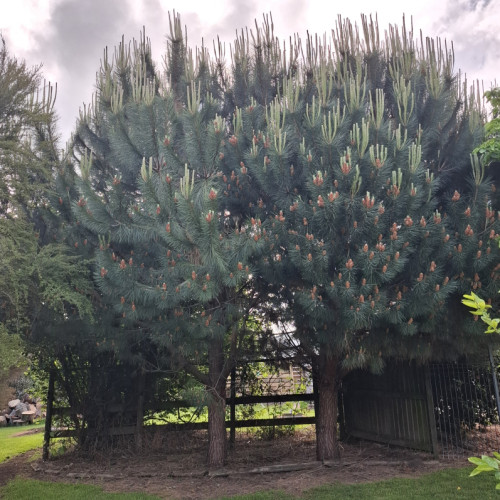
Pinenut trees (Pinus pinea). These are around 5 metres tall and each would be about 4-5 metres wide. They are taking up a large area of the garden and, according to one member of the family, are a waste of space. Other, more enlightened members of the family, i.e. me, think that it would be a waste to cut down a mature specimen because it takes a fair while (6 years or so) for them to produce pinenuts. Yes, it IS shading part of the garden and yes it IS difficult to harvest the nuts but...they are SOOOOO expensive to buy at the shop and I do love pesto so...why not? At $6.50 for 70 GRAMS for pinenuts at the supermarket, and a mature tree producing 5 -15 KG (yes that's kilograms), it's easy to see how my girl maths stacks up.
Basically the sticking point with hubby seems to be around harvesting, which involves picking the cones before they open and leaving them in a warm place to open fully (e.g. on warm concrete) so you can extract the kernels. Once the kernels are collected you then need to dry them and remove the papery skin. Well hello - who do you think will be doing the work??? Just call me the little red hen. If you don't understand this analogy it's basically a story about someone who wants some help to make bread and no one helps until it comes time to EAT the bread, and then there are heaps of volunteers. Sound familiar?
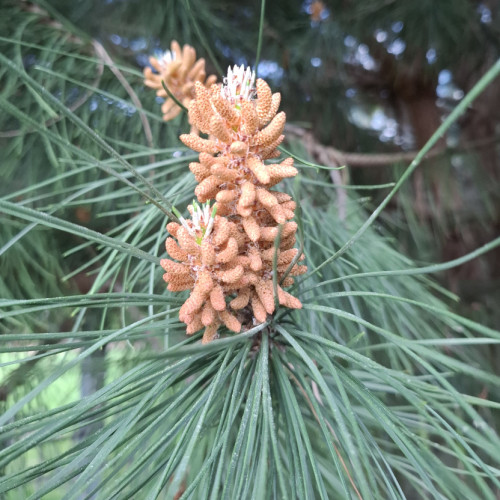
Pinenut Trees and close up of male cones
Homegrown Nuts
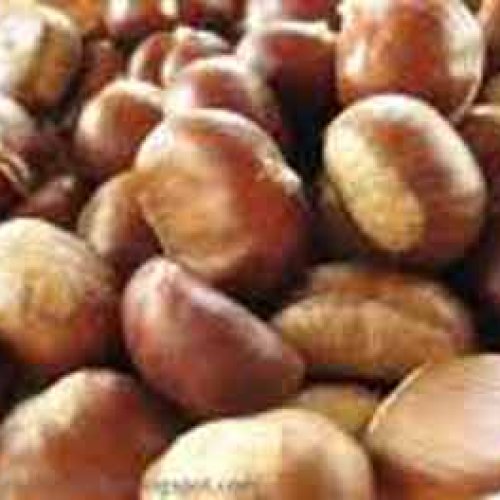
On the subject of nuts you can grow at home, there are several which are suitable if you have a moderately large section. Examples include
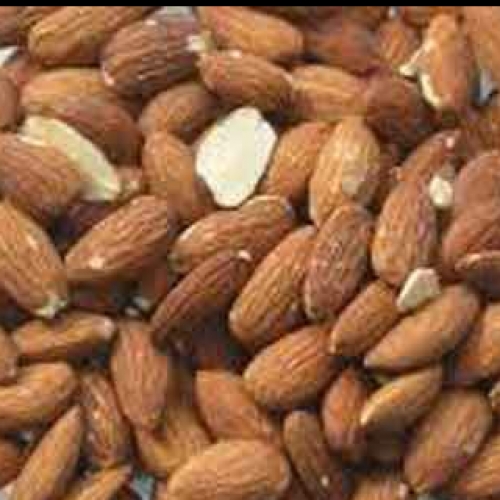
Almonds,
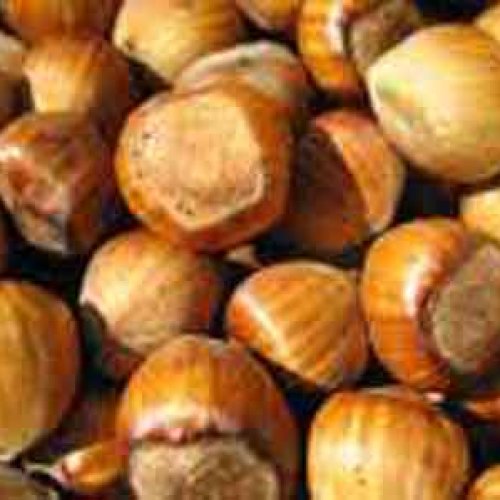
Hazelnuts and
Pinenuts. One of the things I love about Almonds is their pretty flowers - like a single cherry blossom but in delicate pale pink. They are also easy to grow but, like pinenuts, the collection and harvest of the nuts can be time consuming and involved. The almond part is a kernel inside the shell inside the "fruit" which will split open when ripe. In warm climates, when the fruit is ready to fall, you can lie sheets under the tree and shake them to get most to fall off. Once they are harvested the rest of the fruit needs to be removed and then the nut dried further so that you can crack them open- this may take 1-4 weeks. Use a nutcracker to open, revealing the delicious kernel inside which is best roasted lightly to give a great texture and crunch.
Hazelnuts: High in protein and unsaturated fats, hazels are easy to grow and can be a useful as an ornamental hedge, as well as producing delicious nuts. The key with Hazelnuts is that they require specific pollinators. The main pollinator,
Merveille de Bollwiller, is in high demand so be sure to add this to your waitlist if you want to get one next year, or risk missing out. Similarly to the other nuts, they need to be gathered from the ground and dried for several weeks and then can be stored as is, or cracked open to access the nut inside the shell.
Sadly, we are not able to get pecans or pistachios anymore, so you will have to rely on the supermarket for those guys. If you are interested in
Walnuts, now would be the time to add to your wait list as they will sell fast when they arrive next July.
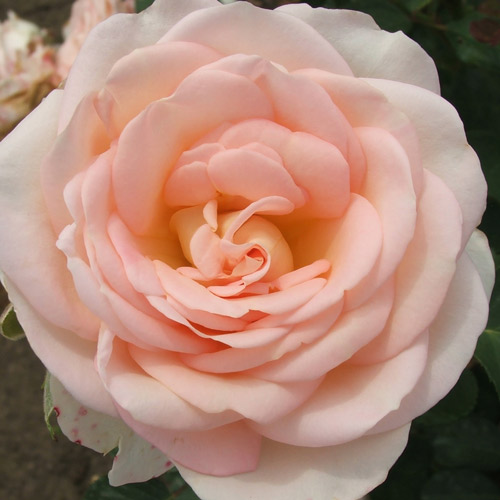
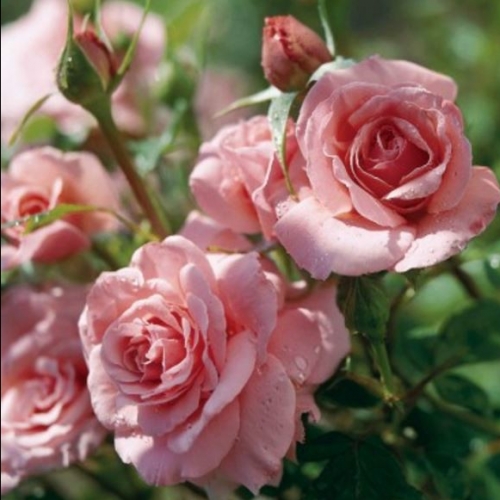
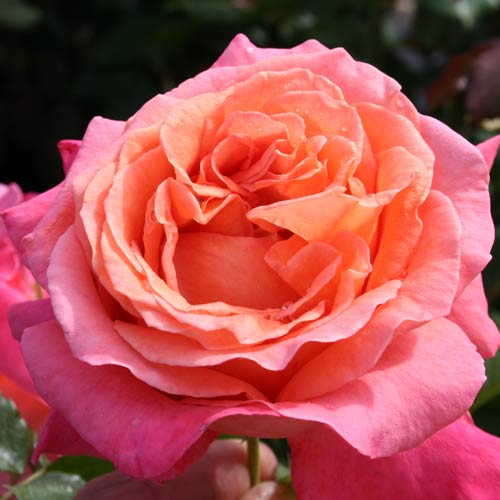
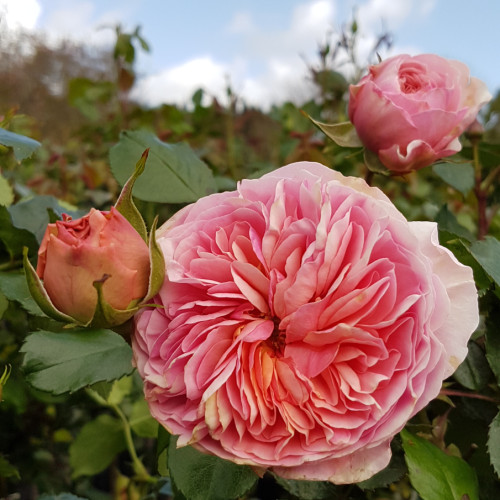
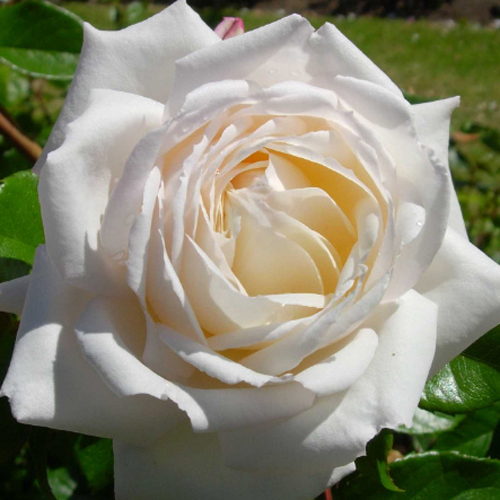
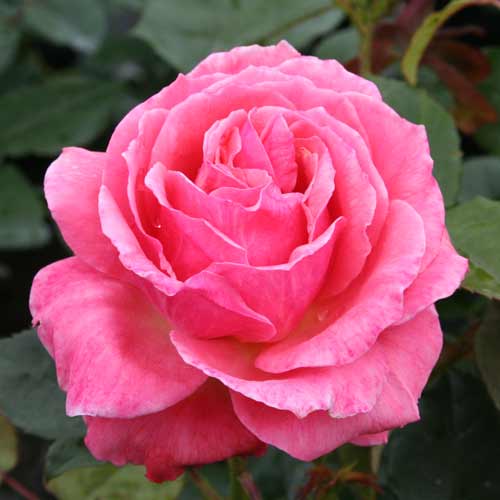
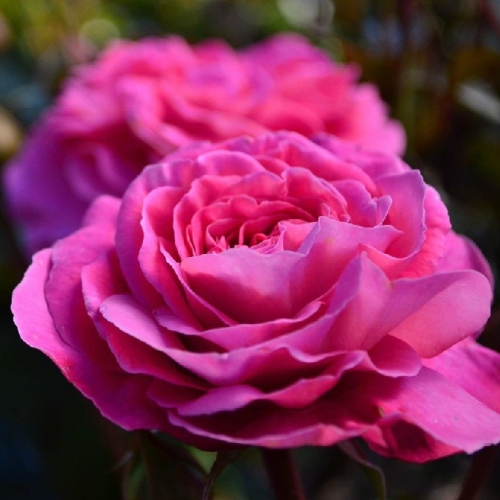
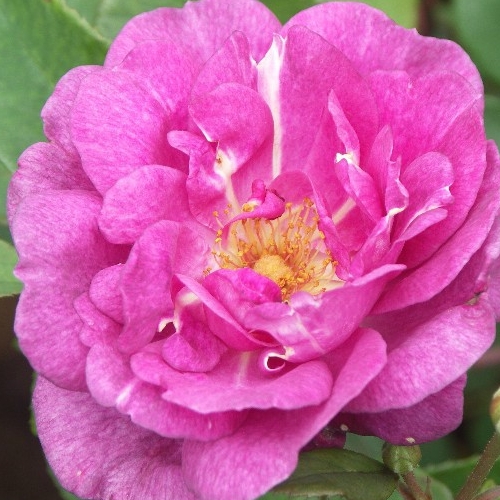
Roses 20% off continues
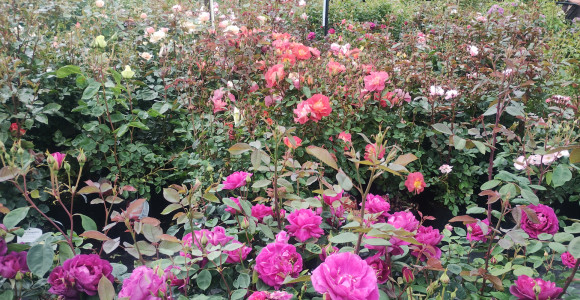
If you haven't had a chance to get out and visit the nursery for a while, then I would recommend doing so in the next week or so. We have about 5000 roses flowering, and it has got to be seen to be believed. It's a display that you won't see in a garden anytime soon, and an opportunity to see and smell your favourites as you ponder what you can fit in.
Coming up soon is the Pacific Rose Bowl Festival, hosted in Rogers Rose garden at the Hamilton Gardens. That is a great way to see some of the potential new varieties which breeders are introducing and judge whether you think they will make the cut into retail production. As well as the skill involved in breeding these, it's always interesting to think about how they come up with the names for these roses. We are still waiting for someone to name a rose after Wairere Nursery, but there are plenty of famous New Zealanders who have been the inspiration for roses.
I am sure you will know some of these including explorers, Māori royalty, broadcasters and activists. It's also helpful if the rose breeder is your friend or colleague, as in the case of Rosarian
Nancy Steen and
Sexy Rexy named for Rex Hotchin a friend of Sam Mcgredy. The
Skyla Rose was named to celebrate the life of Skyla Rose Keating, a brave fighter of DIPG brain cancer. I have left out
Phar Lap and
Samantha Jean, as these are down to the last one or two, but we still also have opera singer
Hayley Westenra who we claim as a kiwi.
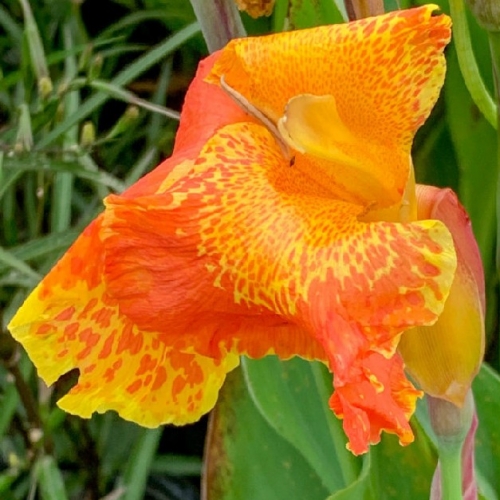
Cannas
With the weather heating up and spring growth in rampant form,
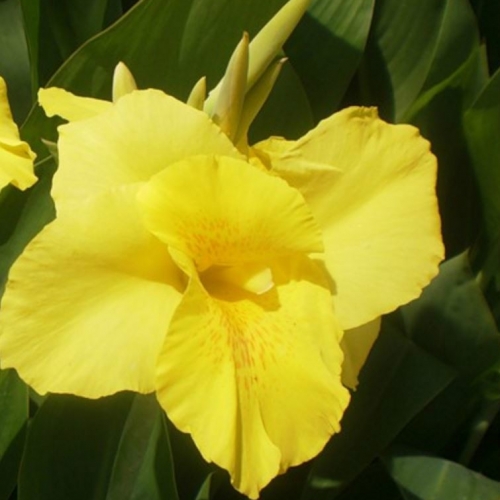
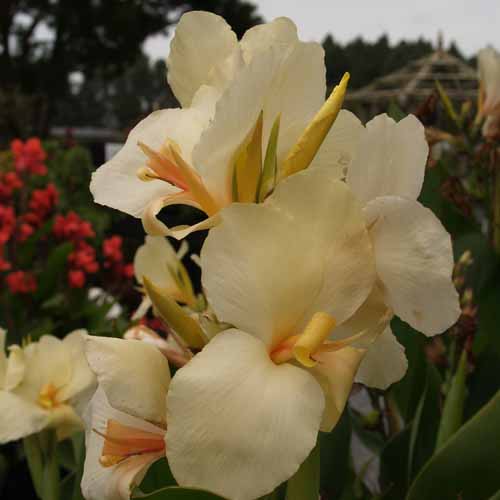
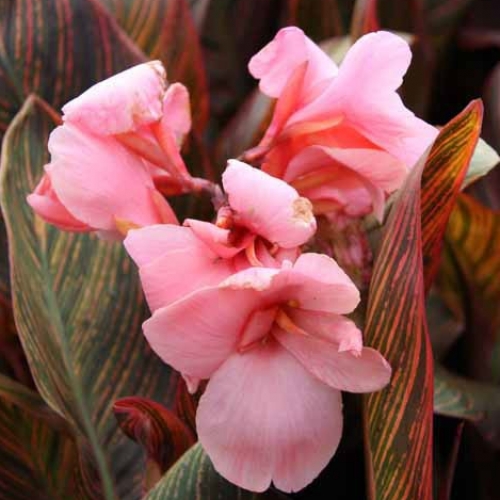
Cannas come to mind as a plant which makes the most of our humid climate (well usually, in spring and summer). A tropical or subtropical plant, they thrive in full sun and with plenty of moisture. With bold, upright leaves and bright colours they are in-your-face additions to a garden which say: Here is COLOUR. We will be receiving more as the season progresses - these beauties are to start your collection.
Lavender
When discussing plants which grow in hot dry climates, it's worth mentioning a couple of different types of
Lavender that are arriving soon.
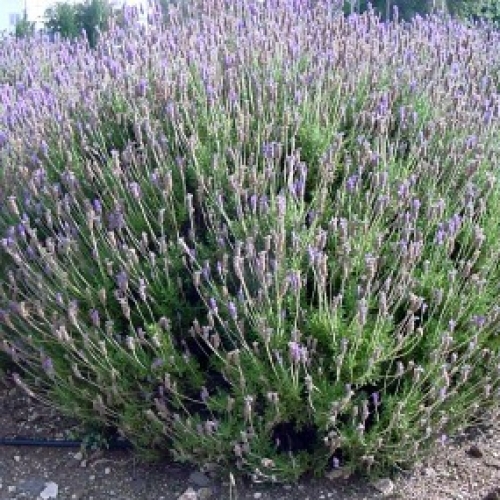
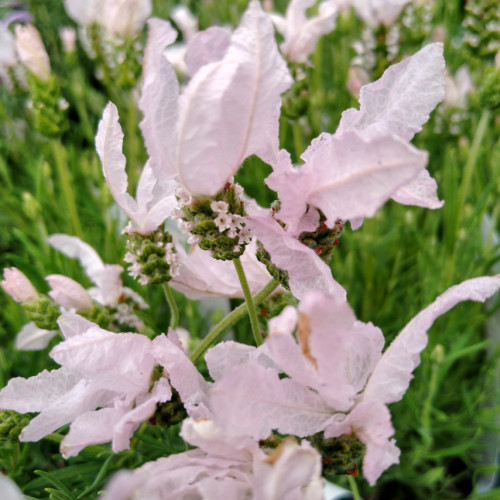
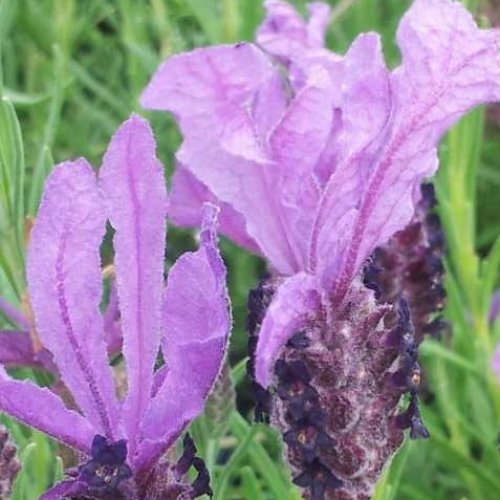
French lavender is taller-growing than most, and suitable for using as a hedging plant due to its size and robustness. It has a pale blue flower and the leaves have indentations or 'teeth'. They grow to around 1m tall and wide.
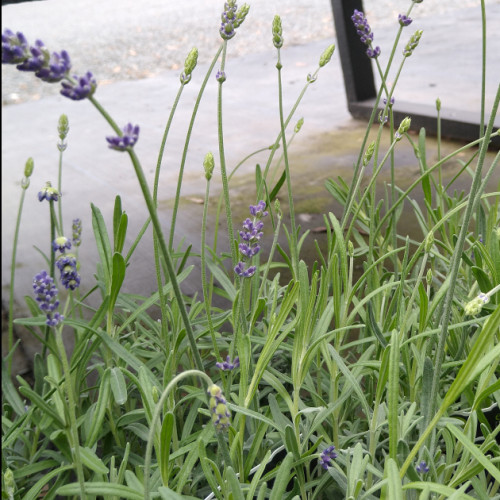
English Lavender, on the other hand, is generally more compact, growing as a mound or spray of flowers from a central point. Most of the English lavenders belong to the species Lavendula angustifolia, although there are some exceptions (e.g. Arabian Night, which is a hybrid). These are rich in oil so often used for cosmetic purposes. The "angustifolia" in the name means "narrow leaf", so these ones are easy to tell apart from other forms as their leaves are fine grey/green and fragrant.
The key with growing all types of lavender is full sun and perfect drainage. They require little in the way of fertiliser, but most benefit from a regular trim to keep new flowers coming through. English lavender needs to be cut back hard after the flowering flush finishes, while the
Spanish and French types can just be deadheaded.
New arrivals
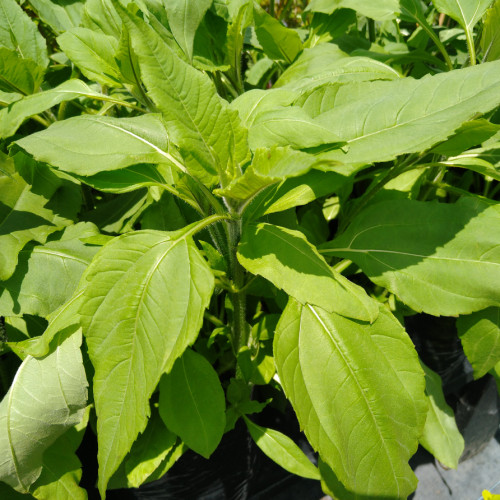
Jerusalem Artichokes (Helianthus tuberosus). As is sometimes the case with common names for plants, this one is very misleading. A: they are not from Jerusalem and B: they are not artichokes - go figure! Apparently Italian settlers in America, where they grow wild, started calling them
girasole which is the Italian word for sunflower. Over time this got changed into "Jerusalem" which was an approximation of what it sounded like. They are not artichokes, but taste similar to them as noted by explorers to the New World at the time. We have potted some of these slightly weird looking tubers which can be boiled, or roasted, or used in soup. They do produce some tall sunflower-like flowers and so have ornamental as well as culinary value if you are interested in something different. A word of warning; they do multiply over time ... a lot... so be prepared to contain them.
Other pretty additions to our garden right now, that are also tuberous, are the
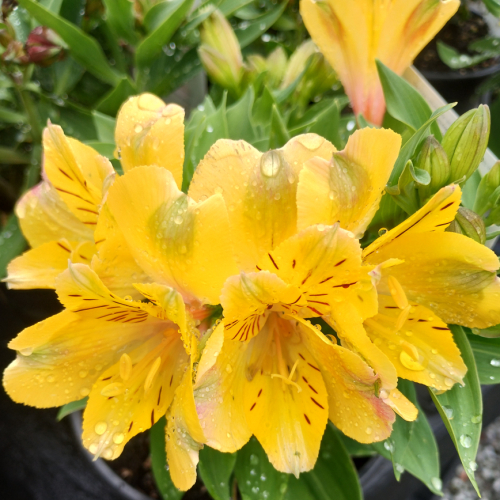
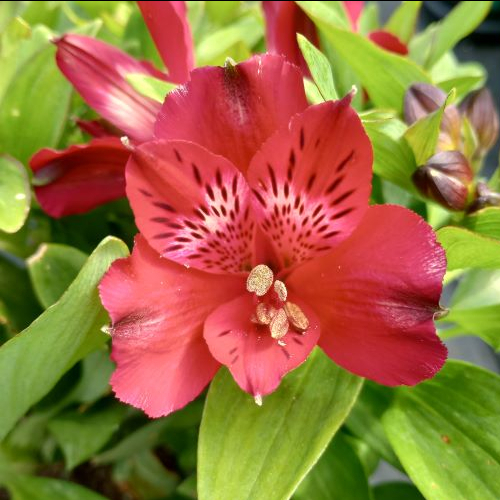
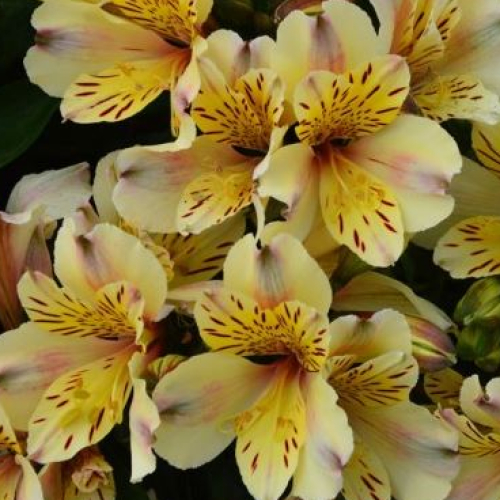
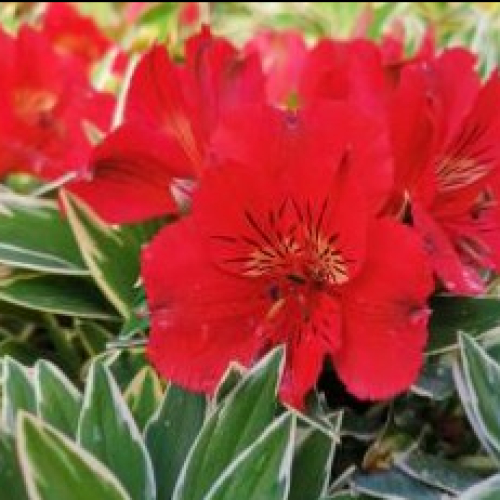
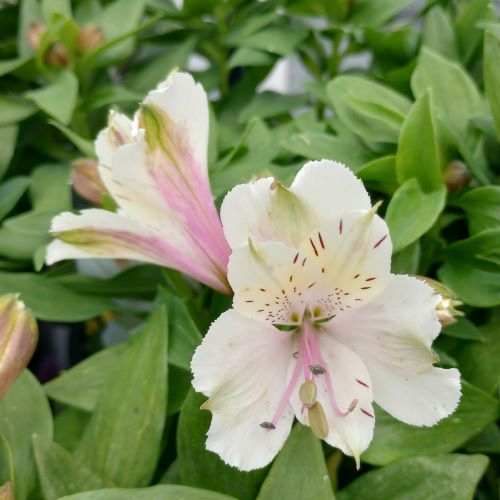
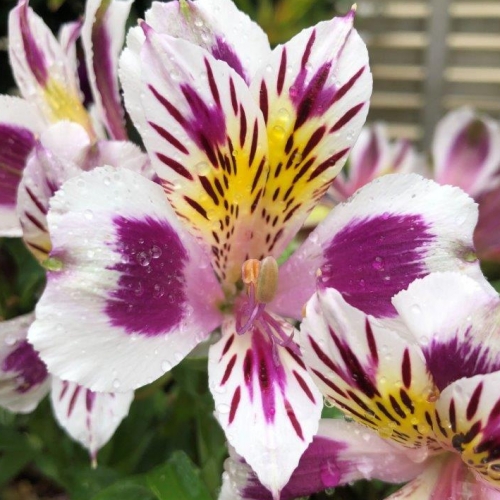
Alstroemeria. The fleshy rhizome stores energy for the plants so that even if they die away in winter, you can be sure of a good display once spring comes around again. They are also sun-lovers and great for a pot or planter. The modern dwarf varieties are not as invasive as some of the older garden forms, which used to need a warning about their spread too. LOL. You can't beat Alstroemeria for long floweringness (is that a word?) unless of course you check out the roses! The Alstroemerias with
Inca in their variety name should grow around 30-35 cm tall and stay compact.
Fingers crossed for some more rain - I'm hoping it happens overnight so we can still enjoy sunny skies for our daytime activities. Regards, Tracy.
Cheers from Lloyd, Tony and the Wairere team.
2022 Newsletters...