Saturday 8th August, 2026
Hi
Renovations
At home we have been contemplating some renovations for our new place. It has a great position, and is well laid out generally, but there are definitely some tweaks which will make the house and garden more user-friendly and comfortable for us. These changes will hopefully make the house a little warmer as we have been feeling these chilly mornings. There are a few trees which we will be getting an arborist to remove, as some have not been maintained and some are showing disease and die-back. One is in a bad position where it blocks all the light into our living area in the winter.
Over time we all find things that we can improve in our garden and some of these are forced on us (plants age and die, are damaged or outlive their productive capacity). Tastes and fashions can change too. Wanting more time to spend on other things can bring about a desire for a more low maintenance garden, or vice versa if you enjoy being outside and having a hands-on approach to your outdoor space. Sometimes it's just about having a refresh, and time for something different which we can enjoy seeing grow and flourish.
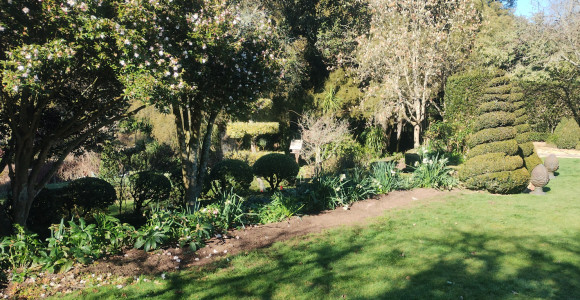
Our display garden basking in some winter sunshine
This week things have been getting back to normal at Wairere after our 10-week stint of potting. Having staff in the potting shed depleted the teams that usually work in the gardens and the nursery. Since potting has been winding down, the gardeners have been getting stuck in at the display gardens, finishing any outstanding pruning and starting some renovations of the gardens, which are perfect tasks for this time of year.
With winter (hopefully) coming towards an end and spring approaching, it is time to be finishing off all your pruning of deciduous trees and shrubs (except for spring-flowering varieties, which you would have pruned last year after flowering).
Roses,
Hydrangeas and other summer flowering plants will benefit from pruning as a way to stimulate new fresh growth, improve flowering and correct any growth defects. As always, start with the 3 D's (remove dead, diseased and damaged branches), look to open the centre for light and air exposure and remember that a hard cut-back stimulates a vigorous response. Sometimes people go too hard cutting back their fruit trees and the result is a lot of upright growth which is not productive. Flowering and fruiting occurs best on branches as close to horizontal as possible. That's one reason to prune to an outward facing bud and another is that it encourages growth away from the centre of the plant to ensure light can get in and it is not crowded.
Anyhoo... time for a change; we have removed the
Sally Holmes standard roses which were in place for a long time at the edge of the lawn and these will be replaced with ??? Most probably it will be
Pseudowintera Burgundy Delight, which is the current front runner, but sometimes it's a case of put-it-in-and-see-if-you-like-it. That is, let it grow for 5 years and then decide!
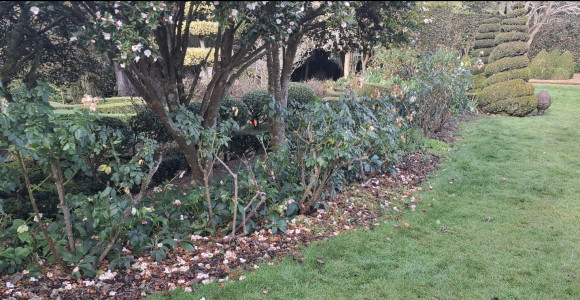
Display garden before (above) and after (below) roses and hostas removed
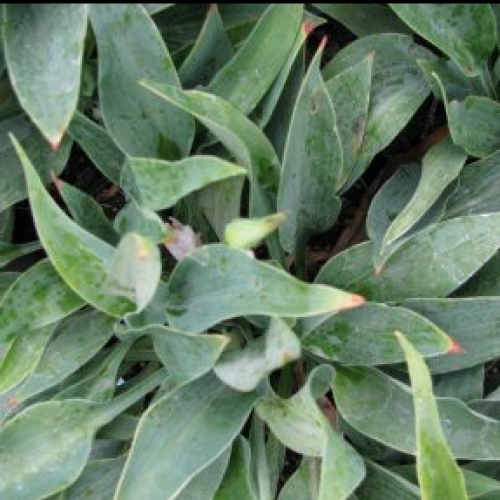
It is also time to lift and divide the large clumps of
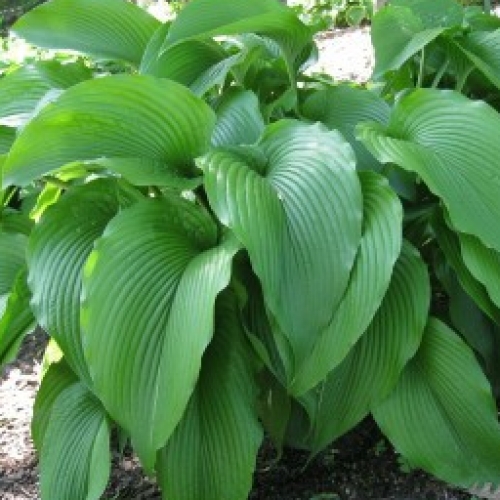
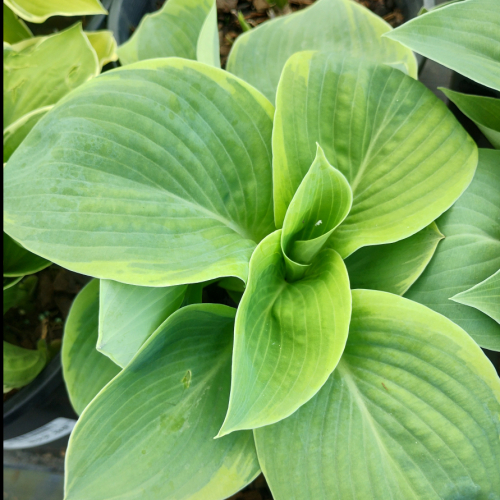
Hosta Silver Knight which are spread around the garden. This division is important to maintain the health of many perennials as the fresh new growth is on the outside of the plant. Dig up and divide using two forks back to back or a large sharp knife, discard the old centre sections and
voila you have some fresh new clumps to spread around your garden. Many herbaceous perennials can be treated this way over the late autumn and winter months to get them prepared for spring growth.
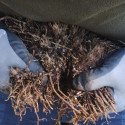
How to divide Hostas (images above)
Sorting out the nursery
Inside the garden centre Shane and his team have started whipping all the deciduous trees into order so that everyone (including us) can find things easily. The majority of our beds are in alphabetical order so that you can quickly check if we have
Apple Granny Smith,
Fig Brunswick or
Cherry Lapins. Probably the most confusing area for many are the
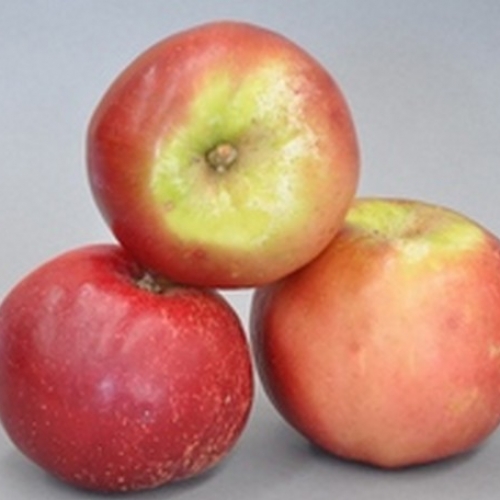
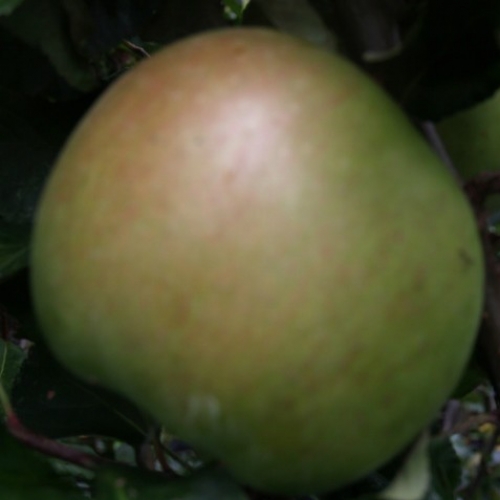
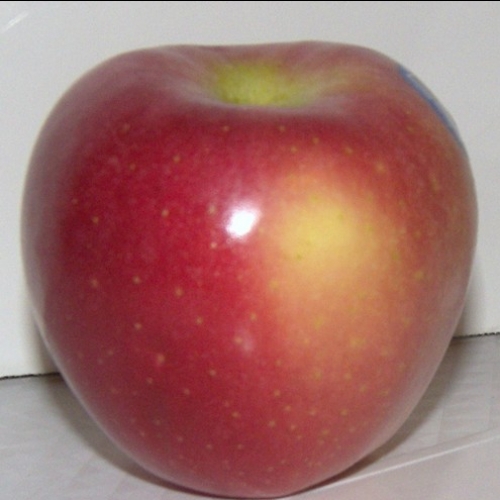
Apples, as these are grouped by root stock variety. The root stock influences how large the tree will grow and for some a dwarf root stock is crucial if their space is limited. Generally speaking with Apples the smaller the number the lower it will grow.h M 9 reach around 1.8-2.4 m tall, M 26 are 2.4-3 m, MM 102 are 2.7-3 m and MM 106 are 3-4 m. Check out this
link for other root stock information.
Similarly the
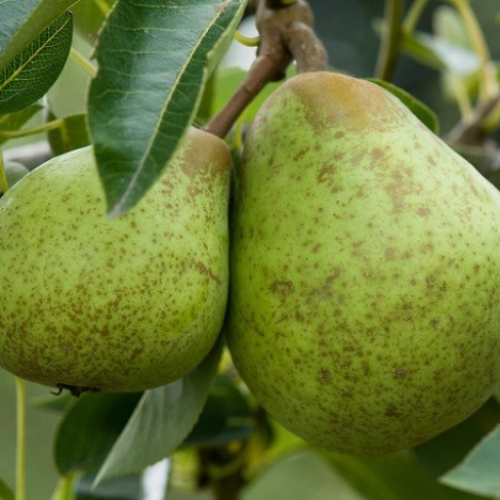
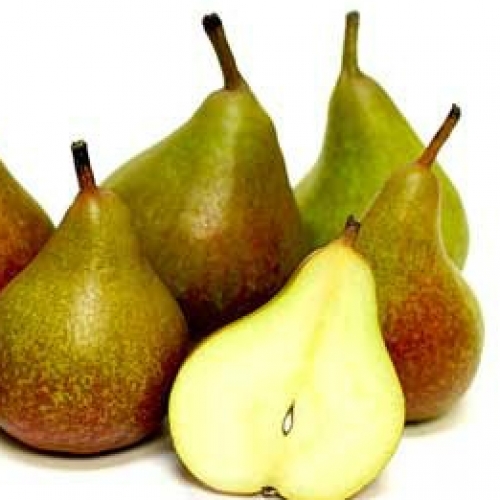
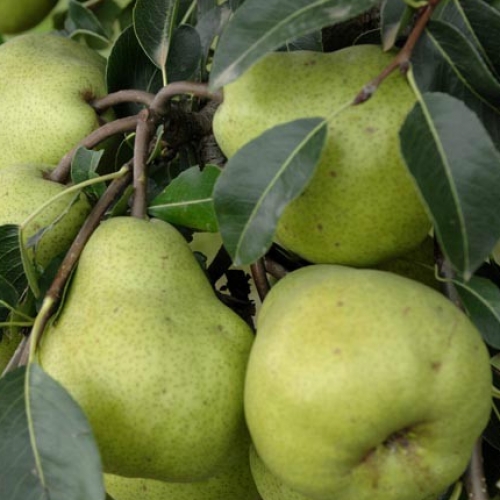
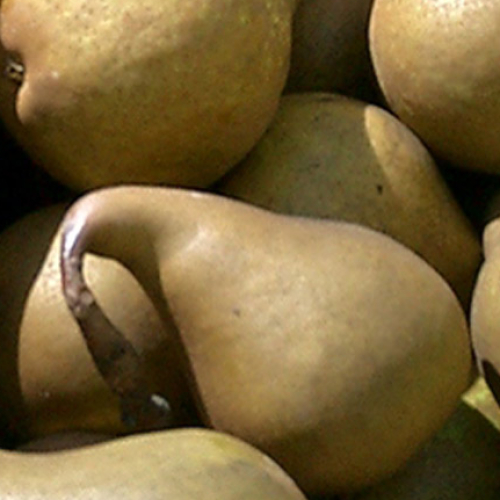
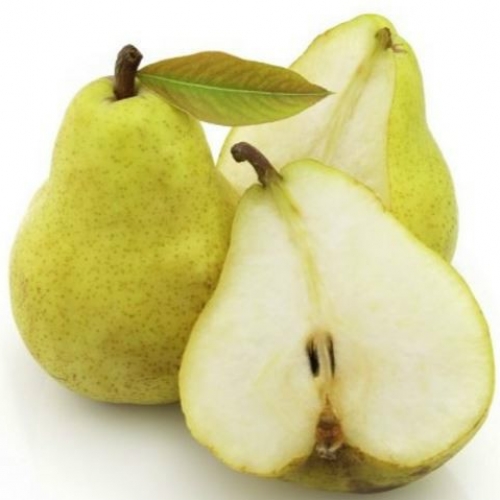
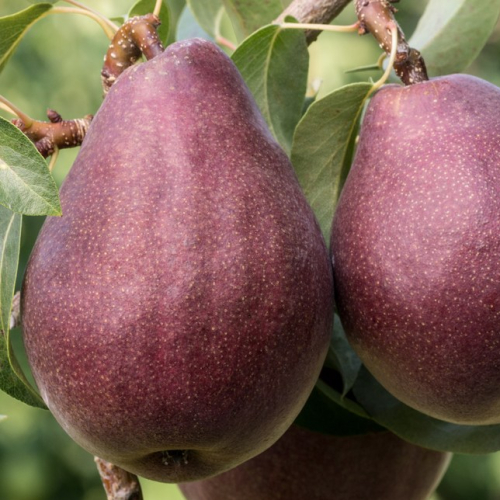
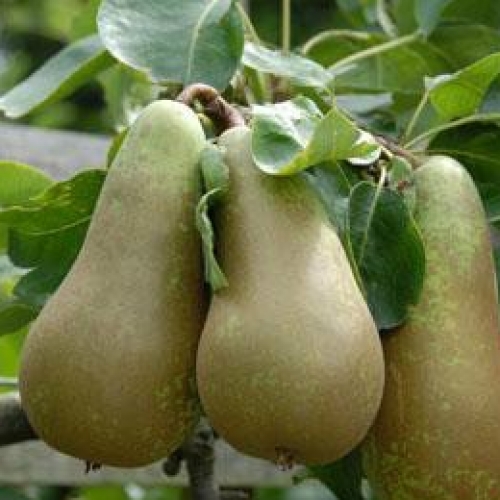
Pears are influenced by the root stock and we have a range of these - many pears are grafted onto Pyrus communis (PC) which promotes early optimum fruiting, is vigorous and has good disease resistance. The other option is Quince root stock which keeps the pears a little smaller. There are two forms of quince rootstock: QuC gives trees around 2.5-3m , QuA are 3-4.5m.
Maples
Next cab off the rank to come under Shane's discerning eye will be the
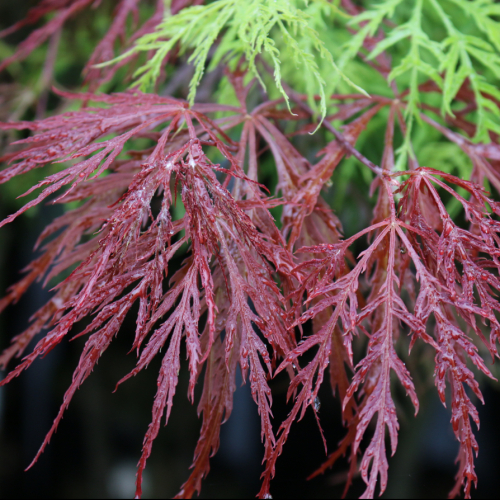
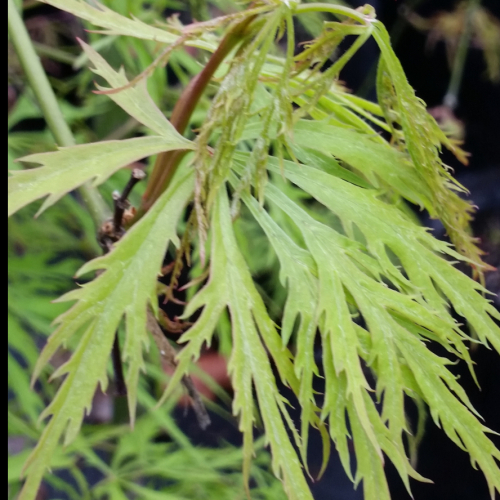
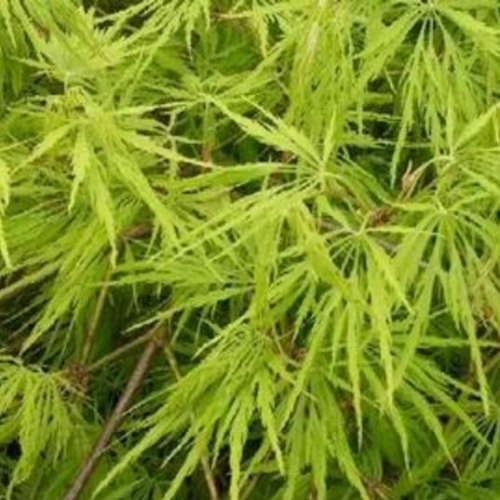
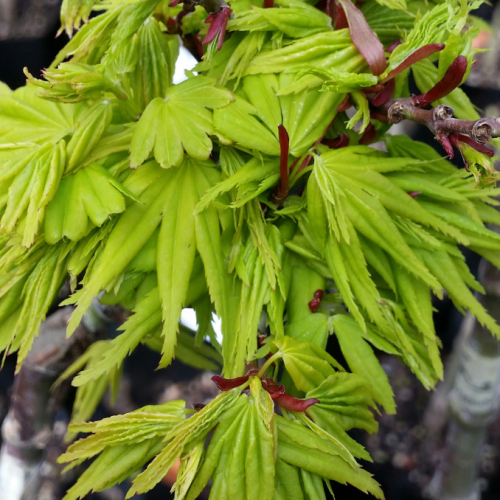
Maples, as there are many, many varieties and these also have to be separated into categories so you can find what you are looking for. I mentioned the multileader maples in a previous newsletter - that is a form which is a bushy branched shrub shape. The two other main forms of Japanese maples are: the high work which look like an umbrella; and, the low work or branched plants which have a series of branches up the stem. The overall shape of both of these is very different, which is why we have them in different spots at the nursery. On the Website you will see H/W next to the umbrella ones. We have close to 100 different varieties of
Maple so there is plenty of options to choose from. In general, the best spot for a Japanese maple is somewhere protected from wind, where it can show off its gorgeous shape, and in full sun where it will develop the best colour. Mulch well in summer to prevent the root ball from drying out and causing brown tips.
New arrivals
Potatoes
Just off the truck are the first arrivals of
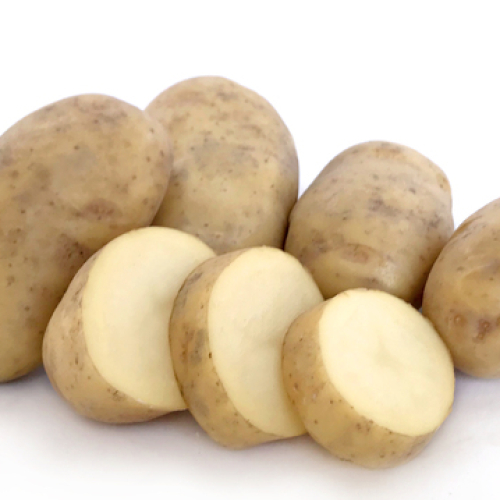
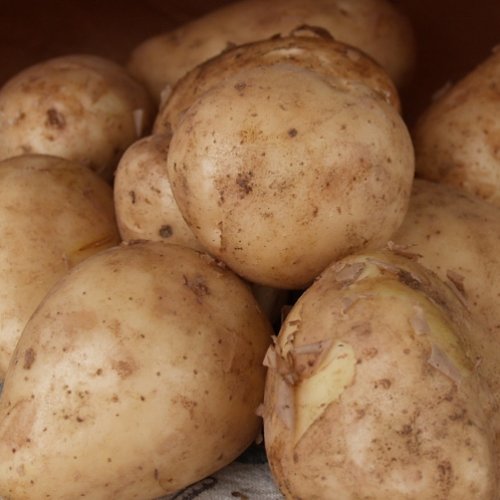
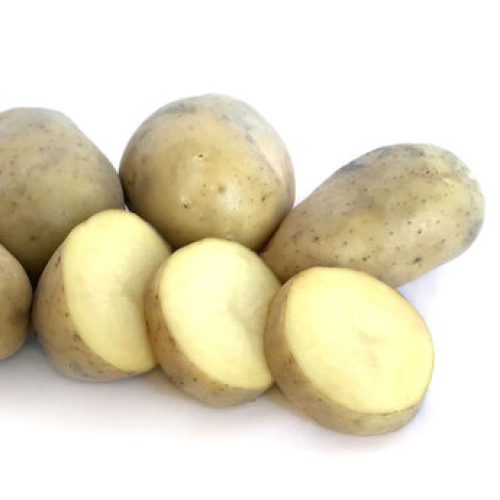
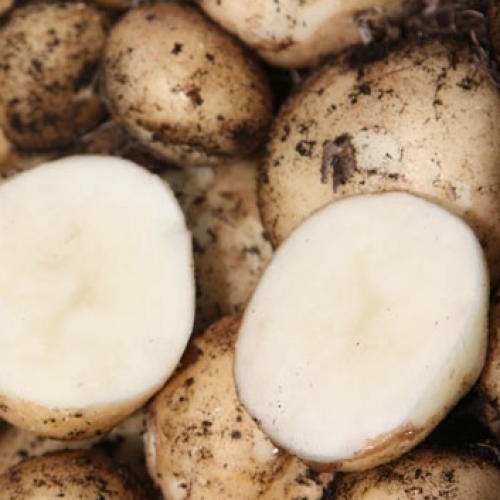
Potatoes. We have been fielding questions about these for a few weeks now, but as they have arrived on a morning when it is -4 degrees, it's a reminder that the shoots of potatoes are very tender and need to be planted so that they can be mounded up to avoid exposing the shoots to cold. You can start your potatoes off inside to sprout or chit before putting them outside. Keep them in a dry position spread out to allow the sprouts to get to around 2 cm long before planting in rows about 60 cm apart. Potatoes should be planted with eyes up and around 25 cm apart. An application of potato fertiliser is beneficial to help them establish quickly. Incorporate this in the row before planting so fertiliser doesn't burn the new shoots. Early varieties are listed below and will be ready by Christmas if planted in September. If you get them in early and harvested you may have time for another crop to get you through the main part of the season. Here's a
link to our guide to growing potatoes.
Asparagus
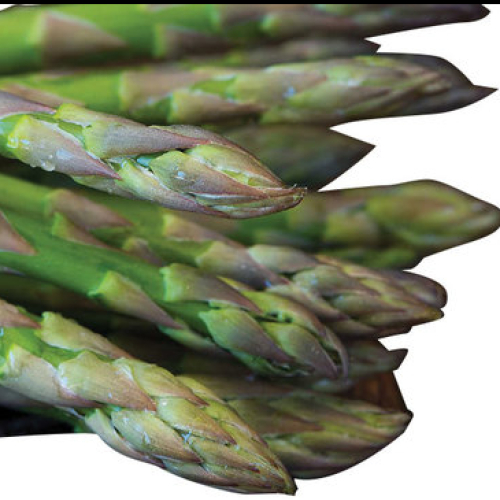
Due to arrive any day are our
Asparagus crowns. They need a dedicated bed to plant into so that they can grow undisturbed. Make sure you incorporate plenty of organic matter, such as well rotted animal manures, compost or rotted leaf mulch, and remove perennial weeds. These plants grow best when the soil pH is on the alkaline side, so a regular application of lime is very important before planting begins in spring. Producers recommend leaving the crop for 2 years before the first harvest, to allow the plants to establish. Each year after that you will get bigger spears over an increasingly longer harvest period; that is if you continue to fertilise and care for the plants as recommended. Here is our
guide Image of Asparagus Pacific Challenger, far LHS, shows what Asparagus bundles look like at purchase
Seize the day
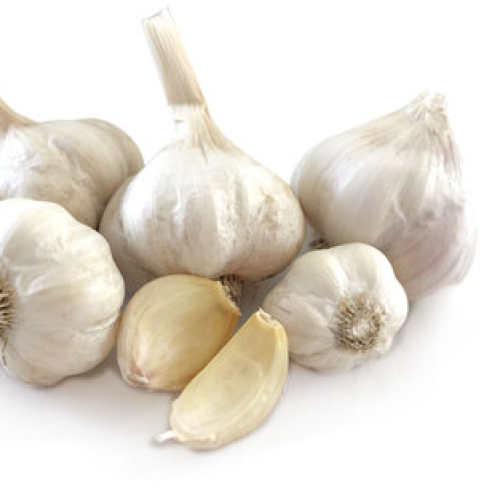
Time to get the
Garlic (Printanor) in the ground, so out it goes at half price. Grab a bargain and get planting.
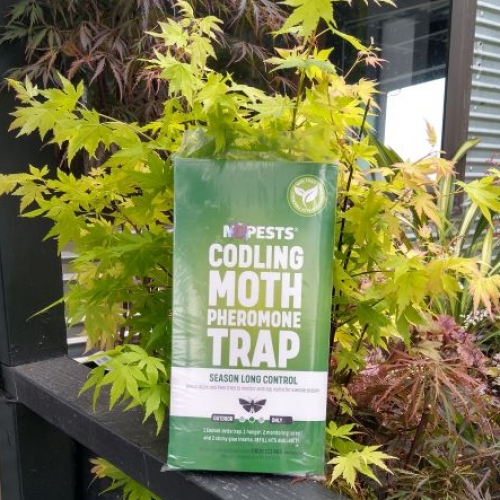
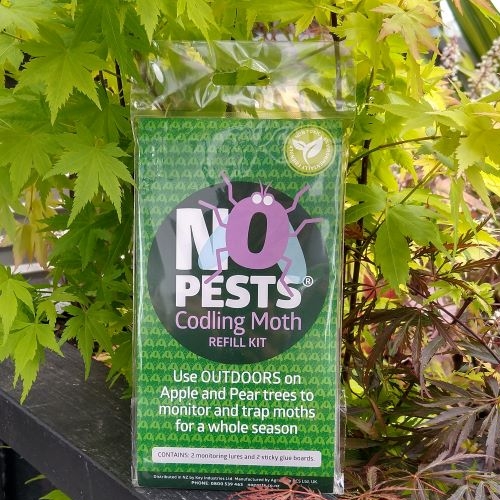
Codling Moth Traps are here now too and need to be on the trees by Mid September for maximum benefit. Nothing is worse than growing a delicious juicy apple only to have it ruined by the Codling Moth caterpillar. These pheromone traps are an easy way to trap the adults before they can breed and cause devastation to your crop.
Have a great weekend. Regards, Tracy.
Cheers from Lloyd, Tony and the Wairere Team.