Saturday 1st August, 2026
Hi
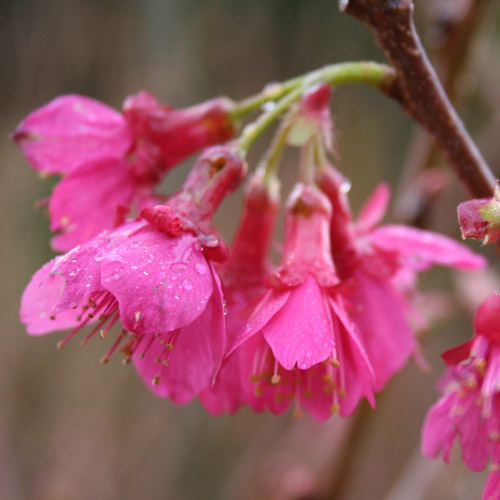
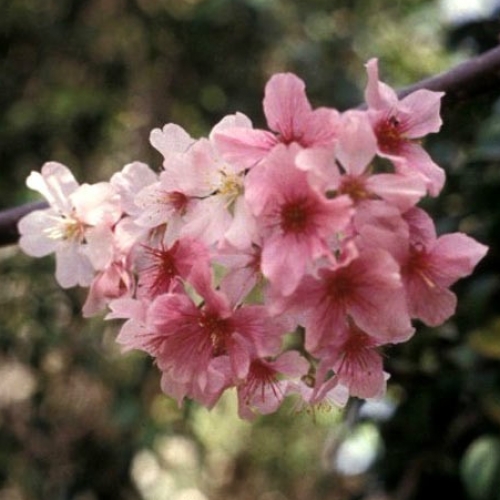
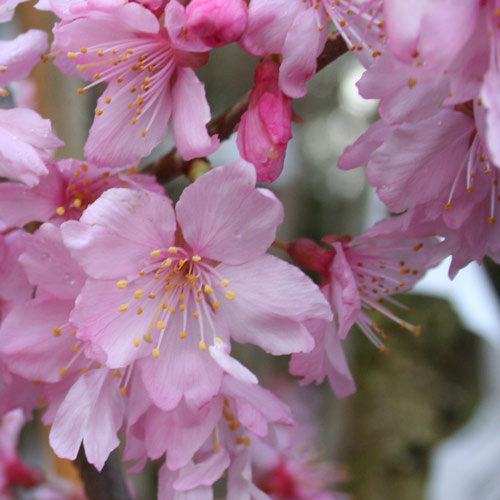
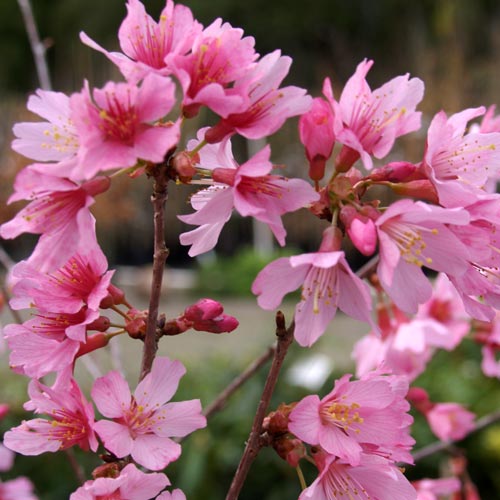
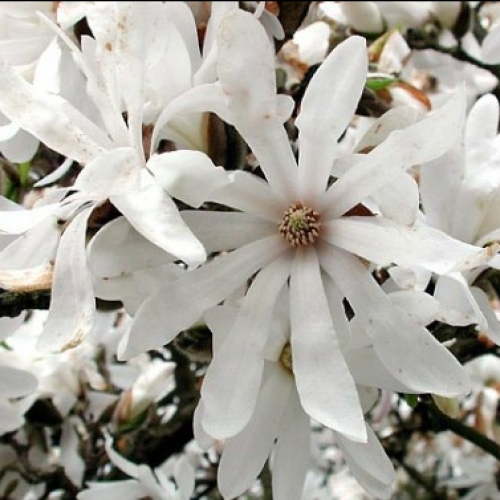
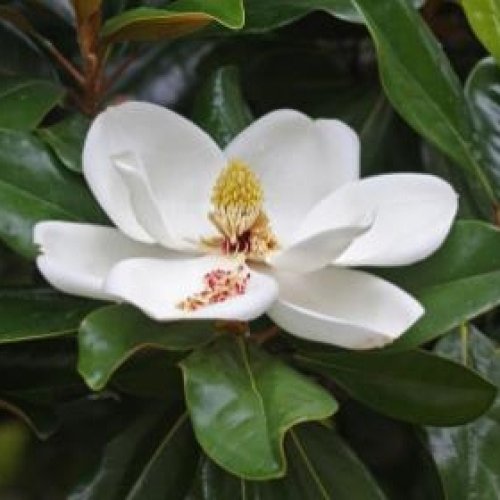
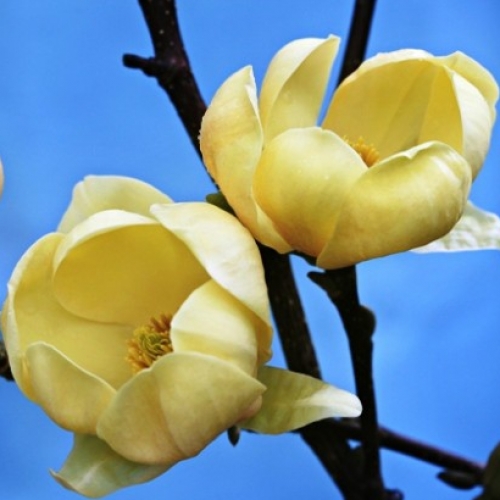
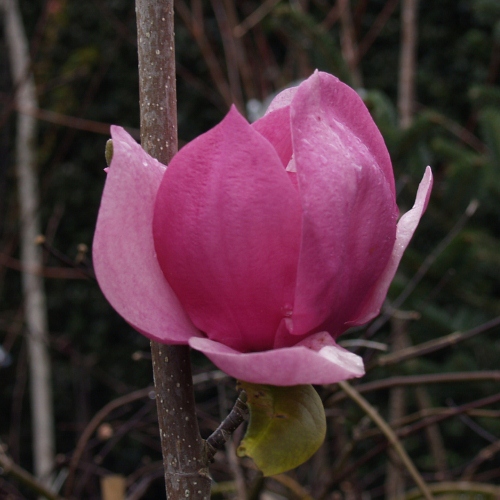
A frosty week including a minus 4 degree frost means it can be a little hard to see brighter (and warmer) times ahead, but fear not they are coming! As we slip past the end of July and into August we will definitely see the garden starting to slowly come to life again. Around town I have been noticing Magnolias and Campanulata Cherries (the first in flower) coming into bloom. I picked some Narcissus Erlicheer from my new garden to pop in a vase on the kitchen bench, which adds a touch of spring to the house.
I am a bit of a sun lover, so don't love the winter mornings when my hands and toes are like little blocks of ice. However, I do love the blue-sky days which follow and my favourite season of all (spring) is just around the corner. As the ground temperature starts to rise it is also the perfect time to get stuck into planting. Dormant trees and shrubs will be starting to send out the first of their new growth - usually starting with the roots - and then buds will swell and leaves will start to make an appearance in September and October. Yippee. I can't wait! Here are some of the early flowering cherries, which the birds love, useful to know if you enjoy seeing and hearing them in your garden.
Shrubs
Over the last few months I have been talking a lot about trees because of the arrival of our deciduous fruit and ornamental trees. This week I thought I would concentrate on
Shrubs. "What's a shrub" I hear you say? The technical definition of a shrub is a woody plant which is under 3 metres tall which has multiple branched stems arising from the ground. Obvious contenders for this include plants you will all be familiar with such as
Hydrangeas,
Hebes,
Grevilleas,
Boronias,
Proteas,
Rhododendrons and
Azaleas plus many more. There are some exceptions which cause a bit of confusion such as dwarf or small growing trees (which are under 3 metres) but they generally have a trunk of some sort rather than multiple stems coming from near the ground level.
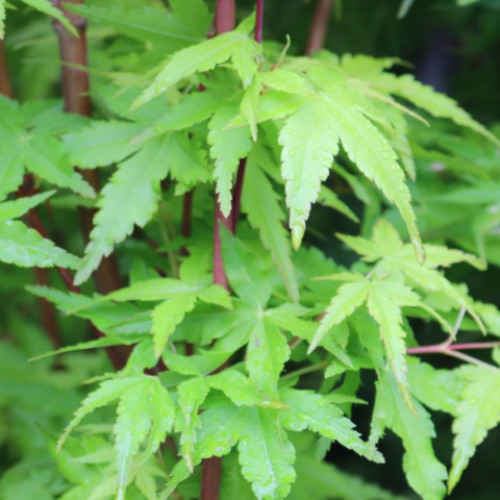
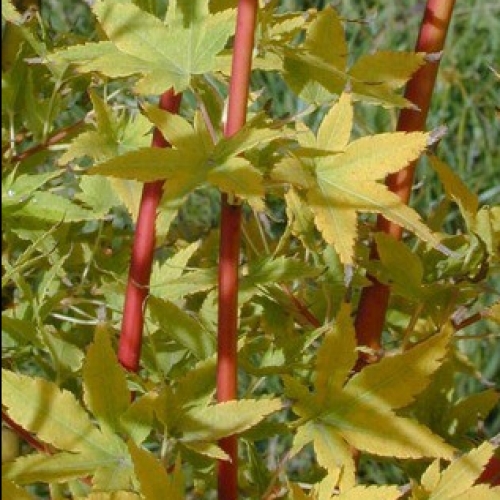
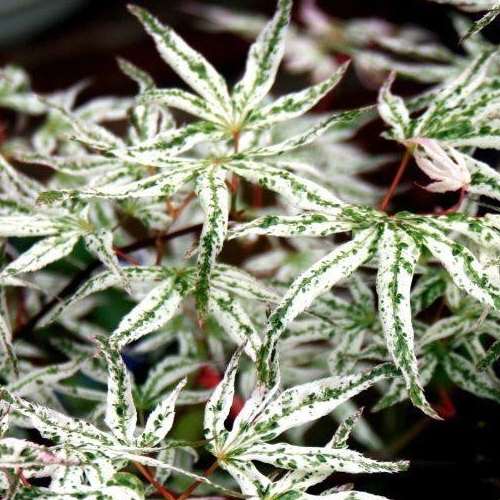
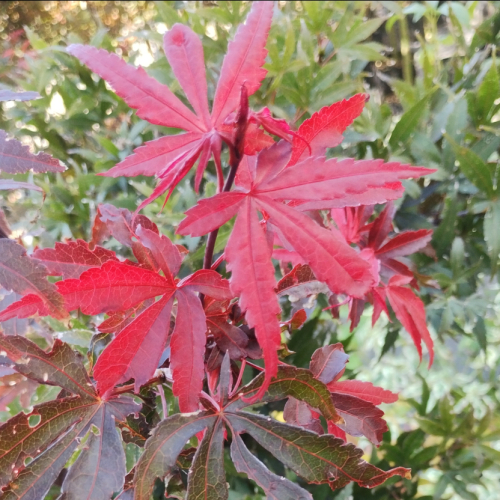
As usual with the plant world, there is no black and white definition and sometimes it is all about how you prune or train a plant, or how it is grafted. Our Acer multileaders (M/L) are one such example, where they have several stems grafted onto one trunk and are therefore bushy and more shrub-like rather than the high work (H/W) or low work (L/W) forms of maple which we also sell.
Lilacs
A wonderful family of shrubs are the
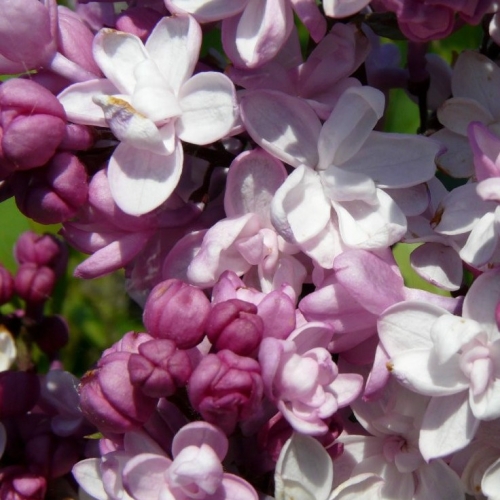
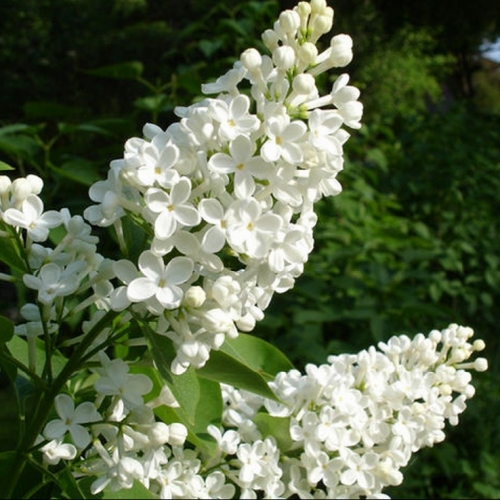
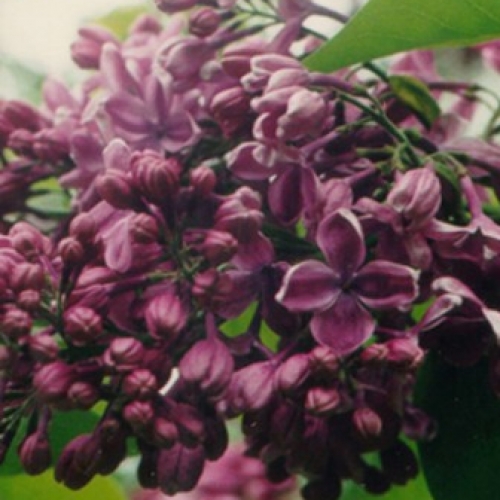
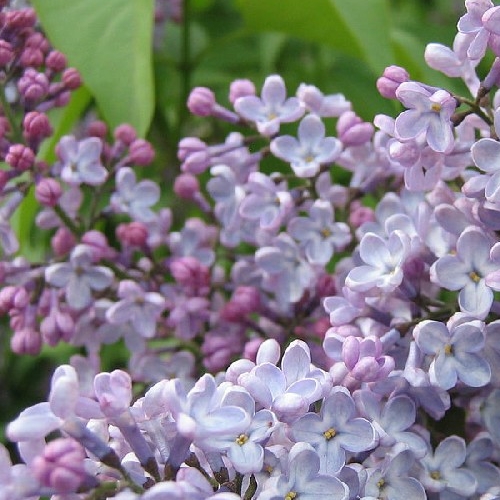
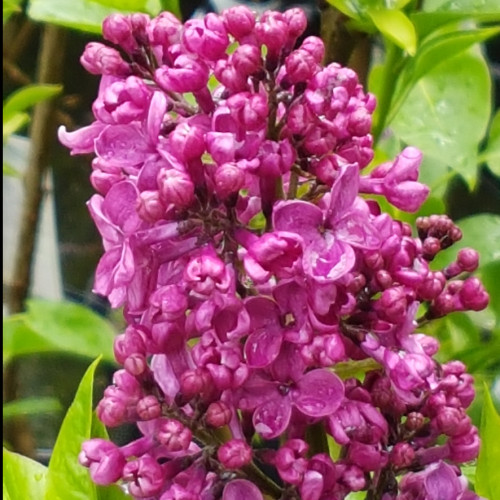
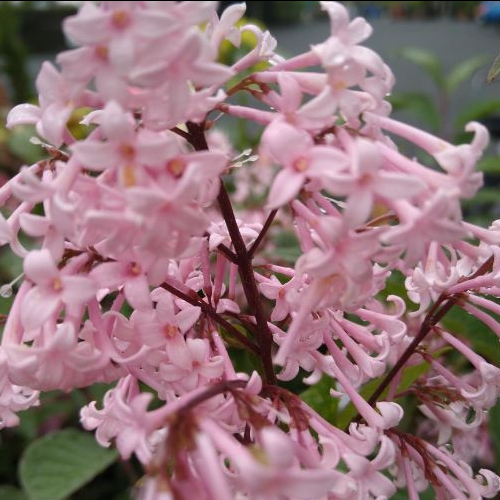
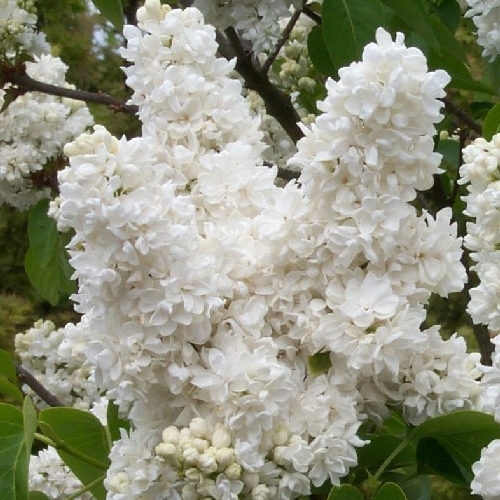
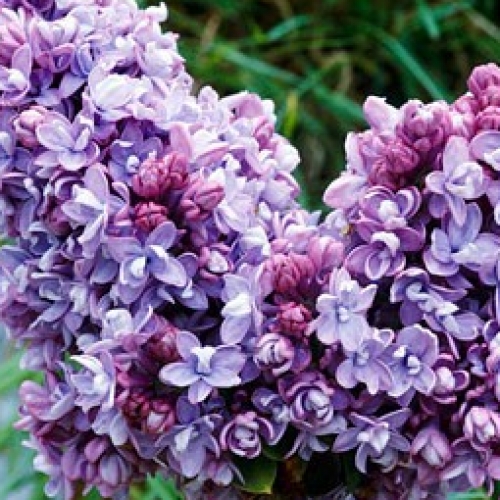
Lilacs which are popular the world over for their amazing fragrance and easy care nature. Growing to around 2-3m with a bushy habit, they are quintessential shrub fillers for the back of your garden; hopefully planted close enough to your house that you can enjoy the smell when you venture outside. These are actually members of the Olive family with a very ancient history. The word lilac comes from the Persian word lilaq which means flower. With a nod to Greek mythology (see last week's newsletter!) the Latin family name of Syringa comes from a myth about a nymph called Syrinx who was turned into a hollow reed. This reed was then used by the god Pan to make a pipe for music. Lilacs have a soft spongy centre which was in the past removed to make pipes and reeds.
As with most plants, it's best to prune them after they have finished flowering in late spring and to follow the general principles of pruning. These are: Start with the 3 ds - remove dead, diseased or damaged branches - then look to opening up the plant by removing crossover stems to allow air and light into the centre. Remove suckers from the base down at ground level. If your plant is a bit overgrown, reduce about 1/3 of the thickest branches down to ground level and over a few seasons you will reduce the height of your plant while still maintaining flowering. Remember to add fertiliser regularly to keep your lilac flowering well each spring.
Hydrangeas
I have been busy sorting out the possibilities for my new garden already (and buying plants; much to my husband's horror) and these include some
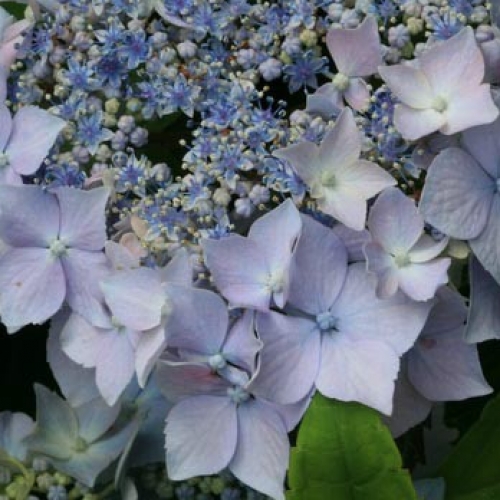
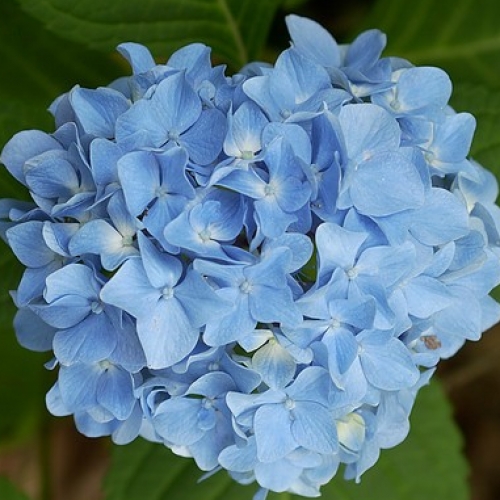
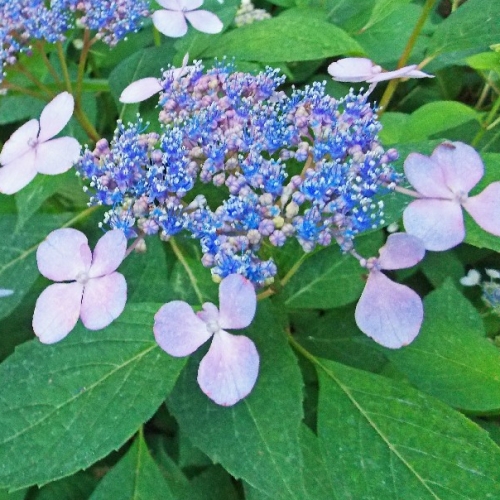
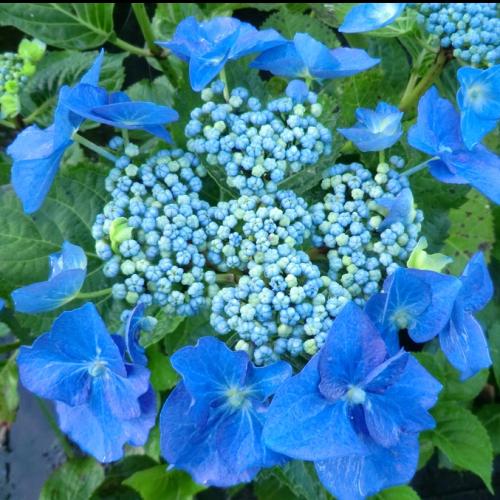
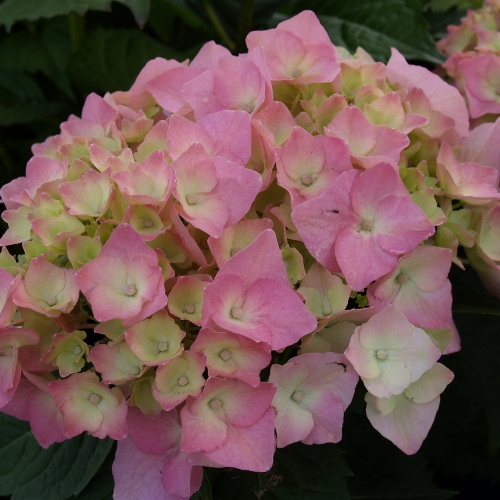
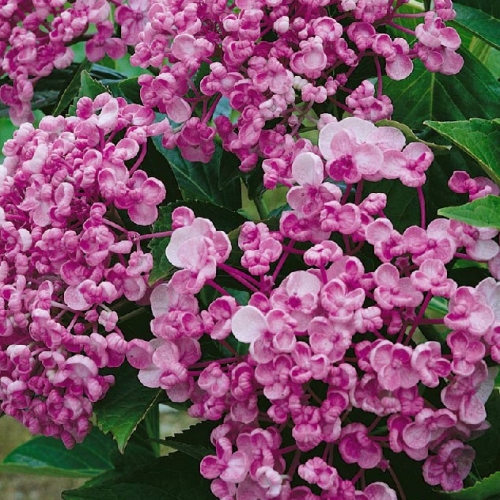
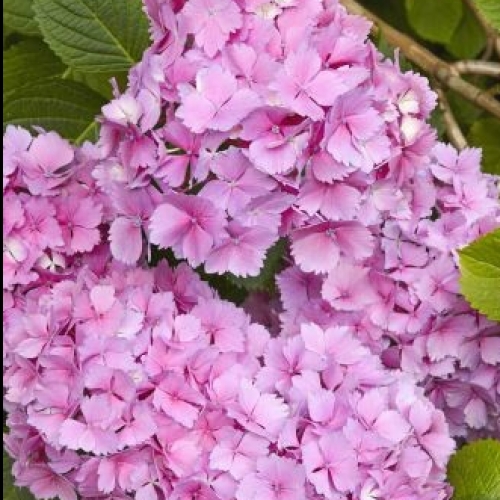
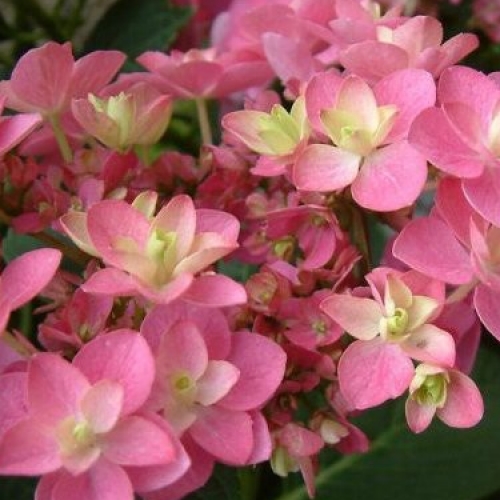
Hydrangeas. They are fantastic for filling spaces and providing a long flowering and spectacular display over the summer months. The entrance to our front door lends itself to white hydrangeas, as it works well with the house colour. It is a little on the shady side there, which will suit the likes of
Annabelle,
Bridal Bouquet,
Grandad or
Limelight once I make up my mind which one I will choose! Popular blue varieties are always in demand too as New Zealand soils tend to be a little on the acidic side which means blues and purples are commonly seen. If you are after a pink hydrangea then you will have to work a little harder by adding lime on a regular basis to keep the pH of the soil around 6.5-7.5. On the opposite foot, Aluminium sulphate is what you add to increase the intensity of blue flowers.
Bottlebrush
For those with a sunny, well-drained spot it's hard to beat a recommendation for
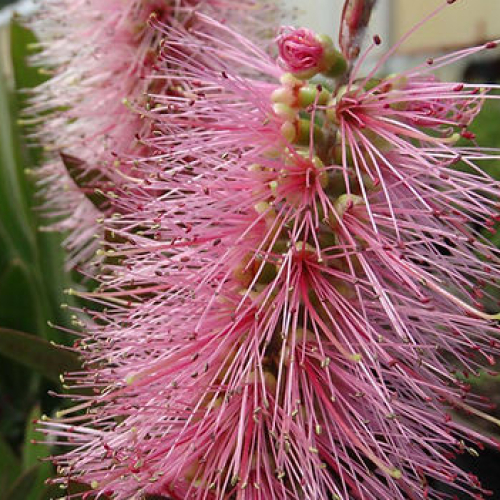
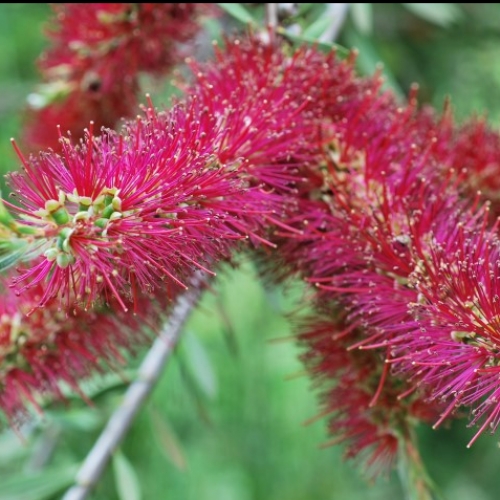
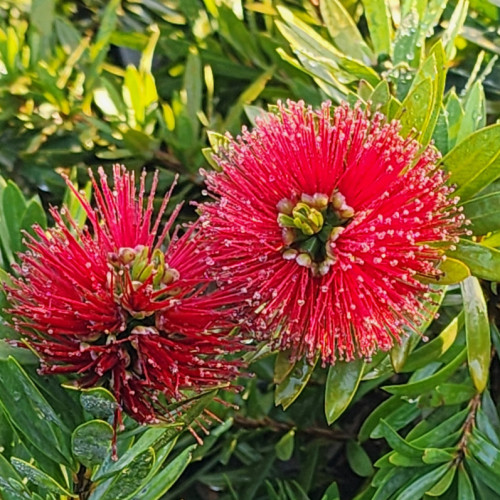
Bottlebrush or Callistemon. This Latin name means "beautiful stamens" which are the fluffy colourful bits of the brush flower. Birds love to delve into these to gather nectar and so they are popular with natives such as the tui, silvereye and bellbird. With colourful flowers of pink, red and white they add an eye catching spectacle to your patch. Plant dwarf varieties like
Little John,
Rocky Rambler and
White Anzac for low-growing interest or add taller ones such as
John Marshlan,
Mr Foster and
Viridflorus to the back of the border to frame your other plants.
Pruning time is here
Many thanks to the Waikato Rose society for the three pruning demonstrations which they held here over the last month. That should be a indicator that now is the time to be pruning your
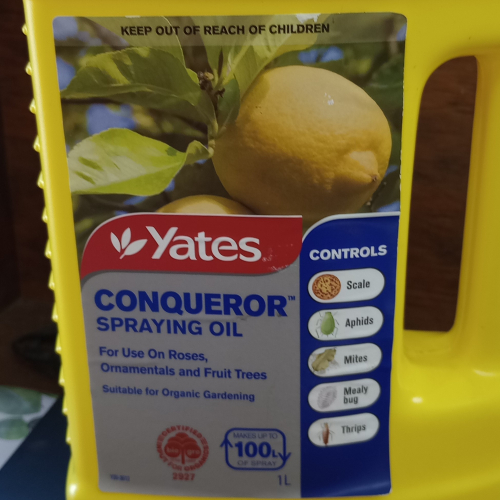
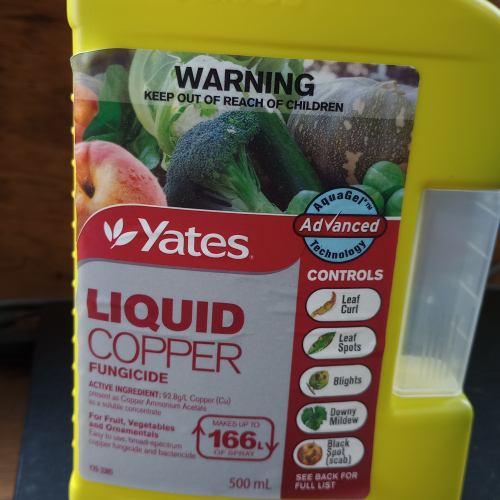
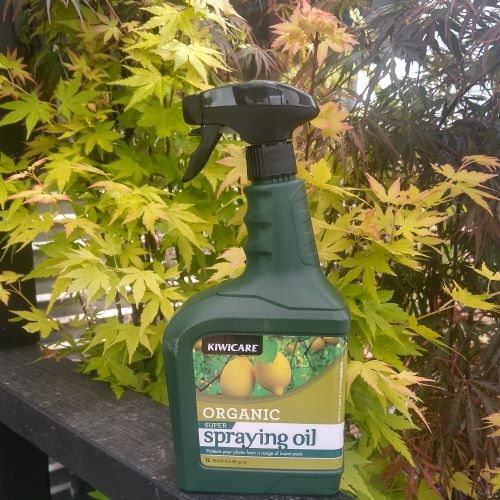
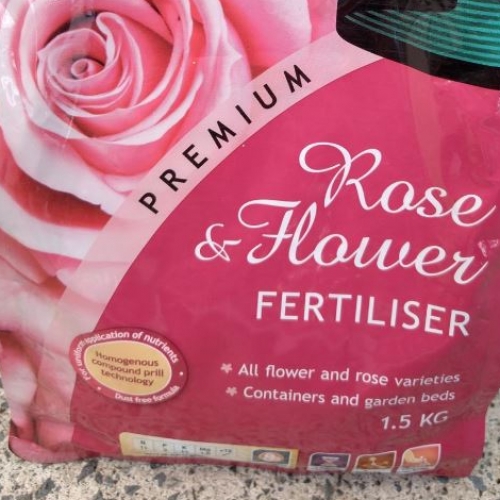
Roses. We recommend a clean up spray of copper and oil applied after you have pruned, to help protect your roses for the coming season. You can combine these two in the same sprayer by mixing the correct quantities of each and adding separately to the water and agitating well. Pruning your roses is mainly about rejuvenating old tired wood by removing to encourage new fresh stems which will flower this year. Try to aim for an open centre to encourage good air circulation and always prune to an outward facing bud. Cut on a 45 degree angle away from the bud to ensure rain runs off the stem in the other direction. In spring you can apply the first of your fertiliser as new growth starts to shoot and buds are forming. If you use a good quality fertiliser then the same one can be used for your roses and all your other shrubs e.g. lilacs and hydrangeas.
Thanks for reading, have a great weekend. Regards, Tracy.
Cheers from Lloyd, Tony and the Wairere Team.
2026 Newsletters...