Our weekly email news letter. Sign up here to get them delivered straight to your email in box. See below for previous issues...
Please note that product availability and prices may have changed from when this newsletter was sent. Please check this site or phone us for current availability and pricing.
Saturday 15th August, 2026
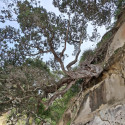
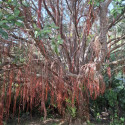

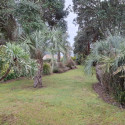
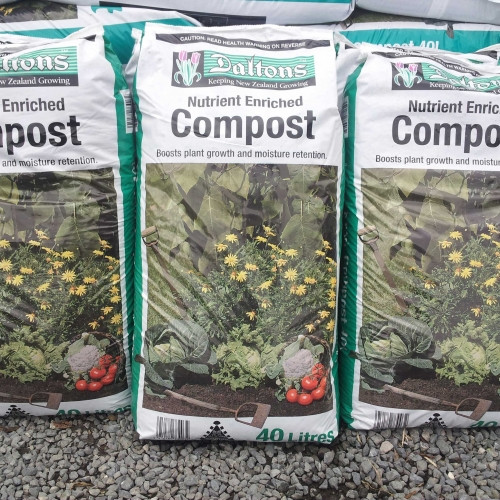
The second thing I noticed was that even in the same environment, the same plants can grow quite differently. This was obvious when looking at the palms along the beachfront at Whitianga (see image below). The same plant variety, planted in the same environment with identical soil, sun, water etc. and some are many metres bigger than others. Huh??? The answer is that these plants are not actually growing in the same place at the same time – there are subtle differences in soil composition, water availability and plant responses so that you just don’t get identical growth. This is also something many customers ask about – why is one plant in my hedge growing well and the next one not doing so good? The answer is generally related to the soil – not seen but still important. It could be lack of (or too much) water, contamination, competing root systems, or a pocket of stones, clay or some other unhelpful component which is affecting the ability of the roots to extract important nutrients. So yes, you can help them out by adding compost (to dry sandy soil), gypsum (to break up clay) or fertiliser (to poor soils or very sandy ones that don’t hold nutrients).

.jpg?t=1786658418 "Gypsum (clay breaker)")
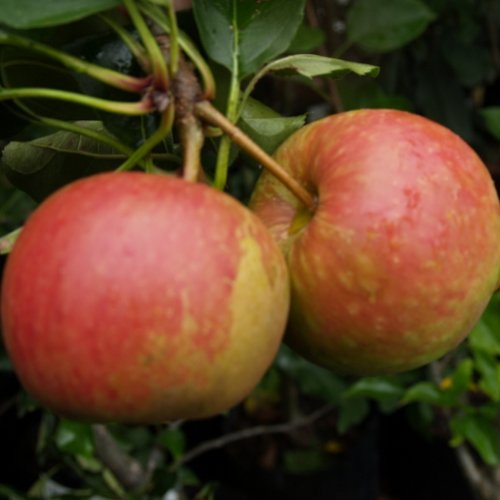
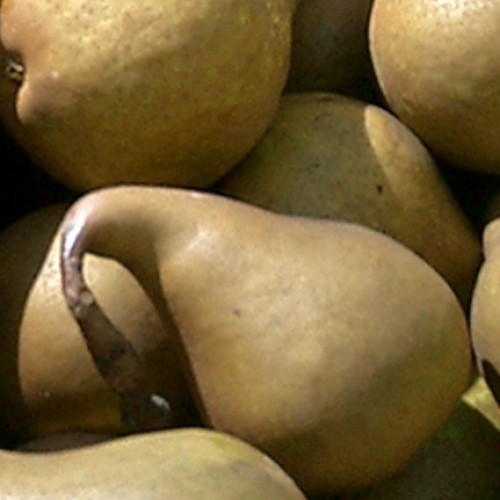
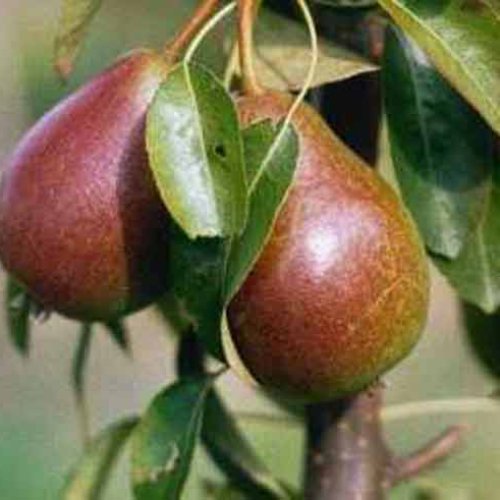
People being control freaks, yes, I mean you, like to control how their plant grows. One of the best ways to control plants is through pruning and training them and one example of this is espaliering. This practice probably started with the Egyptians, but was formally developed into a technique for horticulture by the Romans in ancient times and then adopted throughout Europe in the Middle Ages to grow plants inside castles, where there is limited space, and to protect them. Gardeners at Versailles in France developed the practice to utilise the stone walls, which absorb heat, to increase crop yields in Europe’s cold climate when temperatures took a dive for a few hundred years (during the last Little Ice Age).
New at the Nursery
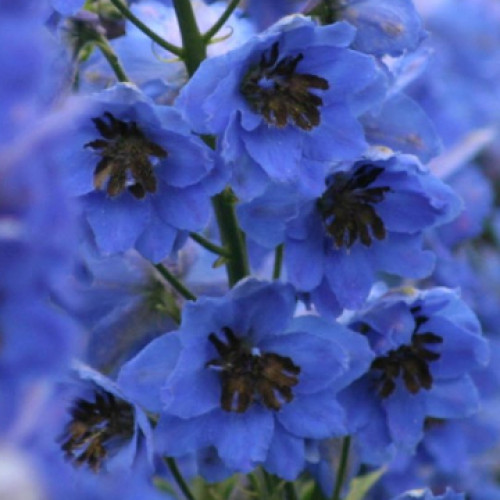
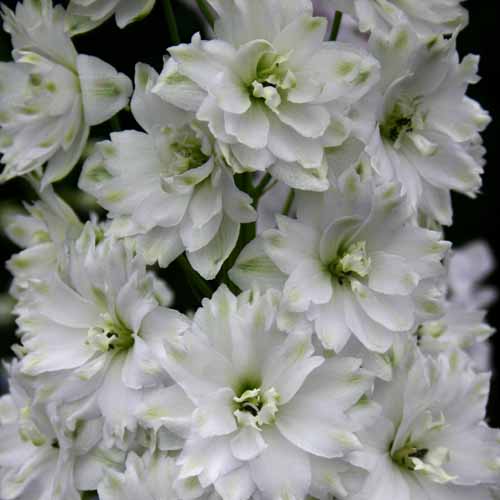
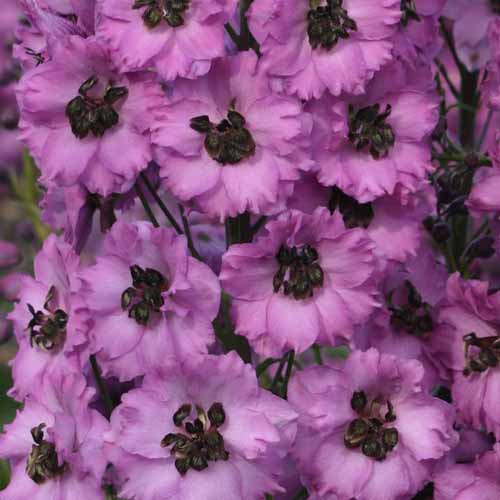
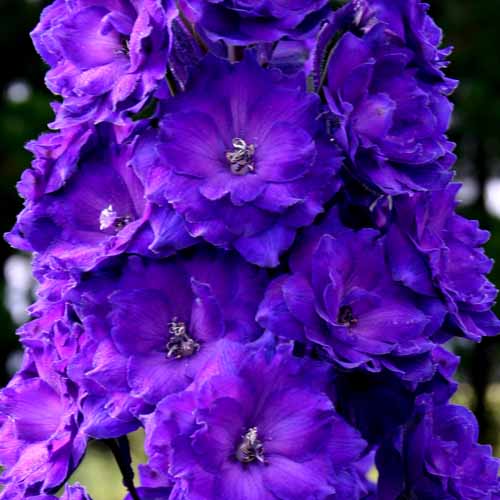
When sitting down to write the newsletter, I had lots of things to choose to write about because the garden centre is starting to fill up now that potting is completed. We have just received our delightful Delphiniums which are favourites for flower gardeners due to their large spectacular flowers and vibrant colours. Delphiniums are part of the buttercup family and named after the unopened flower (apparently it looks like a dolphin??). On the animal theme, the central section of the individual floret of the flower is sometimes a different colour and is called a “bee”. The key thing to watch with these pretties is that they need staking to support their tall flowers and they are susceptible to slug and snail damage when young – be prepared!
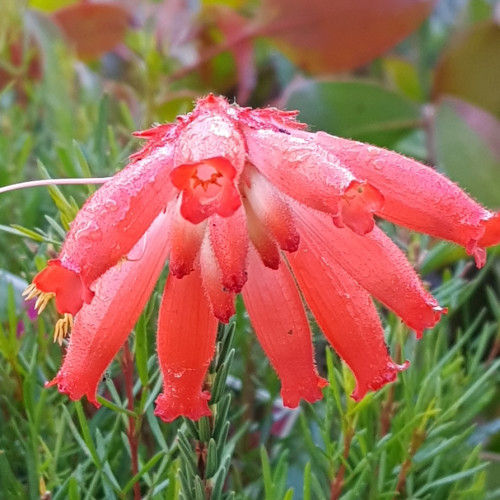
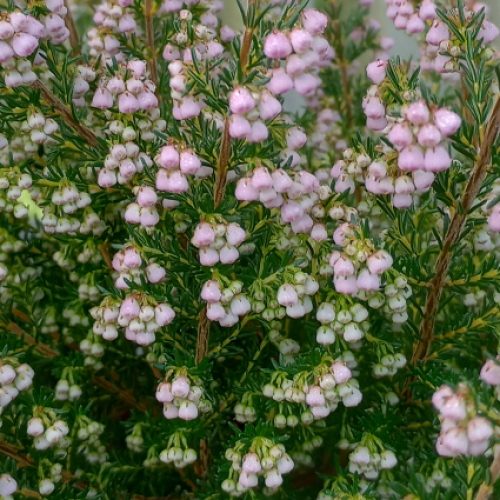
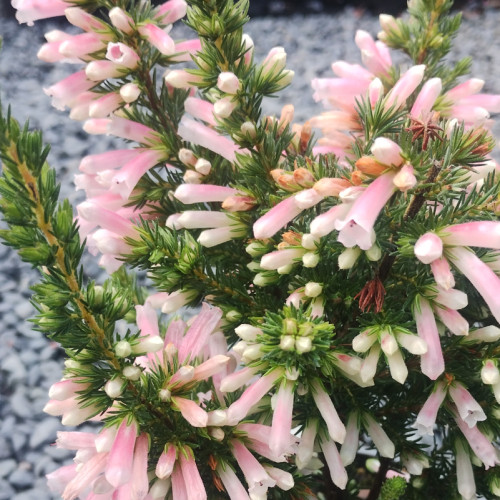
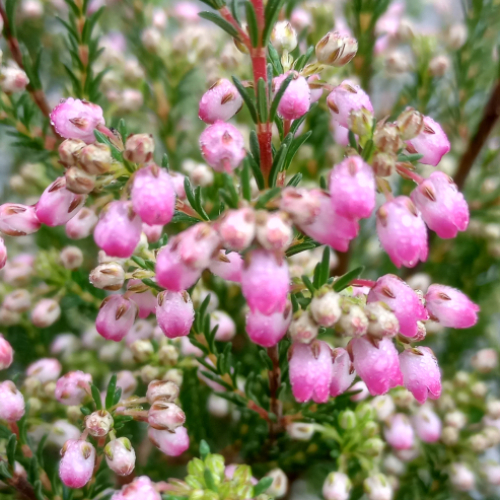
Also just arrived are a selection of Ericas, many of which originate in South Africa, although there are also varieties native to Europe and the Mediterranean. Erica cerinthoides is a brilliant plant for rockeries and garden beds or can be grown in a pot. They prefer a sunny situation and like acid soil – they may need a little protection from severe frosts. Be sure to water well in summer when plants are establishing and add mulch to preserve soil moisture. Some Ericas have developed smart survival techniques including some with a sticky coating on the stems and flowers which trap insects which steal nectar without pollinating – no freeloaders here thanks. The flower shape is adapted to the pollinators too, with some formed into tubes for sunbirds and some small flowering ones reliant on the wind. They are generally great for a bit of late winter colour before anything else is flowering.
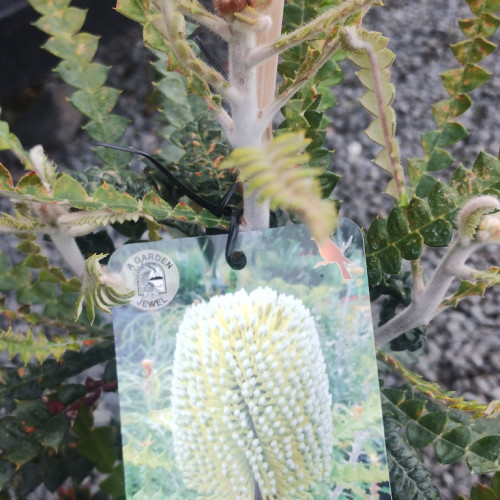
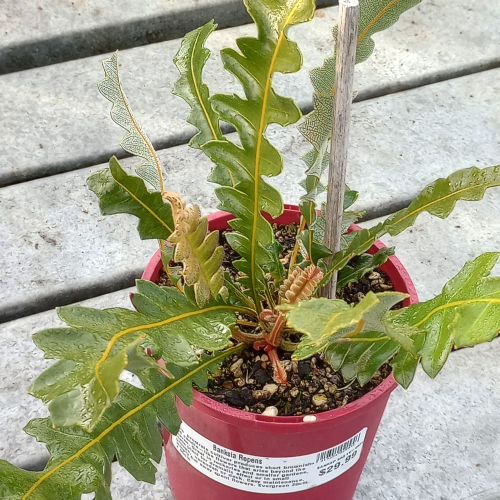
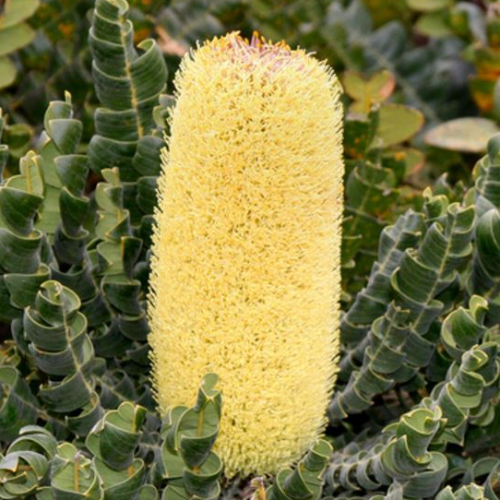
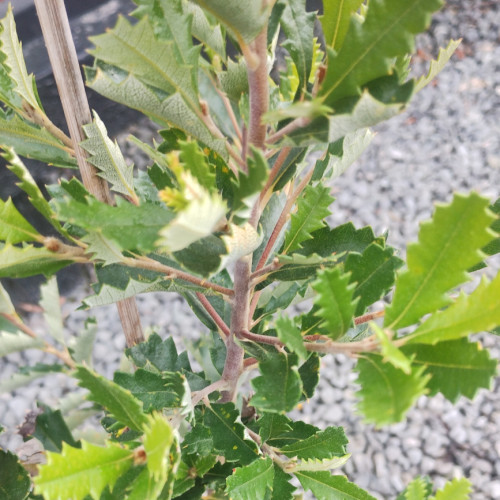
Another popular and unusual group new in store are the Banksias. As mentioned above, they are well adapted to coastal conditions and best grown in frost-free environments. If these plants wore clothes, it would be board shorts and sunnies, not beanies and gloves! One of their key claims to fame is their nectar-filled flowers which attract bird-life. If you plant some banksias, you will delight the tuis and wax eyes as they will have a feast of nectar. These plants were named in honour of Sir Joseph Banks who was passionate about collecting plants. He travelled from his native Britain to North America in the 1760’s and then around the world with Captain Cook on a mammoth journey which took 3 years (1768-71) and reached New Zealand and Australia. Banksias are almost all endemic to Australia, and have adapted to Aussie conditions; some of the seed pods are shut tight and only open when torched by a bush fire. Plant in full sun where there is excellent drainage and you will be rewarded in due course with an unusual and useful flower display.
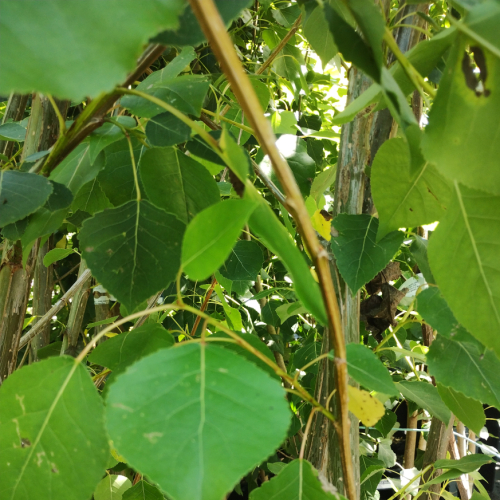
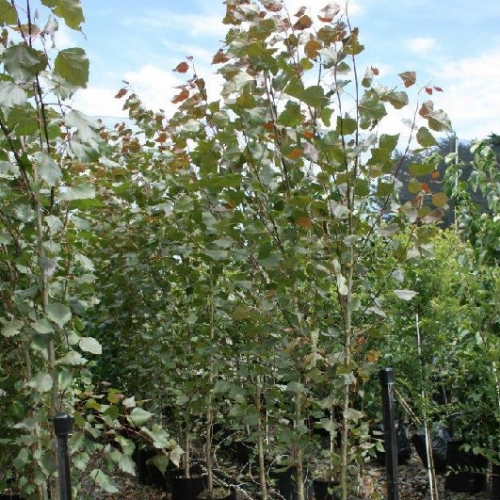
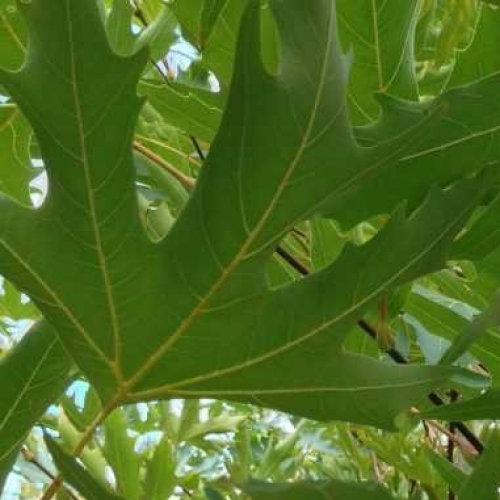
It's your last chance to buy our bare-rooted trees – we have some monster specimens left in the crates in the car-park including some Poplars – Kawa and Crow’s Nest and Oriental plane trees. These will be potted up next week so get in quick and save yourself some dollars. These are 3m+ in height so will make instant shade or shelter trees once planted.

Hope your weekend is enjoyable. Come in for a chat or a wander if you are looking for inspiration. Regards, Tracy.
Archived by year 2011 | 2012 | 2013 | 2014 | 2015 | 2016 | 2017 | 2018 | 2019 | 2020 | 2021 | 2022 | 2023 | 2024 | 2025 | 2026 |
2026 Newsletters...
Summer's Bounty (24th January, 2026)
Sharing the love (1st February, 2026)
Summer Projects (7th February, 2026)
Focal point (17th February, 2026)
Turn of the leaves (21st February, 2026)
Last cut (28th February, 2026)
Get out your spade (7th March, 2026)
Need for speed (14th March, 2026)
Screening plants (21st March, 2026)
Sale starters (28th March, 2026)
Easter Treats (3rd April, 2026)
Love Autumn Colours (11th April, 2026)
A revolution by plants (18th April, 2026)
It's all about trimming (25th April, 2026)
Nature's bounty (2nd May, 2026)
Something to love (9th May, 2026)
Autumn's Change (16th May, 2026)
It's all happening (23rd May, 2026)
Potting Season Begins (30th May, 2026)
Winter Wonder (6th June, 2026)
Favourites (13th June, 2026)
Get your hands dirty (20th June, 2026)
And now for the trees (27th June, 2026)
Life with all its colour (4th July, 2026)
Put on your jersey and gloves (10th July, 2026)
Winter delight (18th July, 2026)
The root of all good (25th July, 2026)
It's downhill from here (1st August, 2026)
Time for a change (8th August, 2026)
..... One of a kind
Don't quit your day job (22nd August, 2026)
Stamping your Mark (29th August, 2026)
Spring is time for action (5th September, 2026)
New discoveries (12th September, 2026)
Neighbourhood watch (19th September, 2026)
A new broom (26th September, 2026)